2026-10-16
At a heat-treatment plant, a set of 400 gsm fiberglass cloth sheets had to be replaced three times in a single quarter. The weave and weight matched the original order, but the glass composition and surface finish had never been specified, and at continuous service near 550 C that omission turned a four-year material into a four-week consumable. Before you specify fiberglass cloth sheets for insulation, composite, or fire-protection duty, these are the material and performance requirements that actually decide service life.
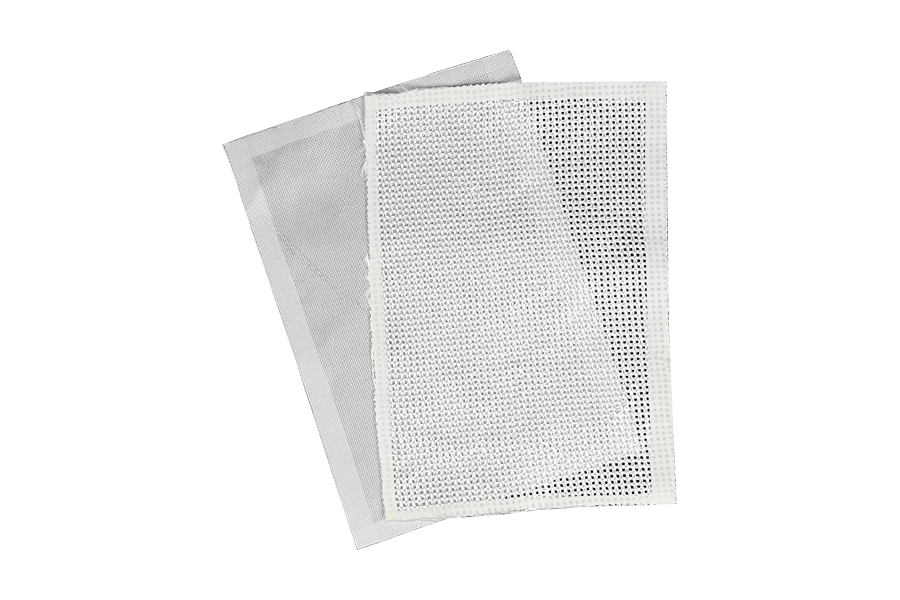
A fiberglass cloth sheet specification is built from four non-negotiable parameters: glass composition, areal weight, weave pattern, and surface finish.
Glass composition sets the temperature ceiling and strength floor. Areal weight, in grams per square meter (gsm), controls thickness per ply and laminate weight. Weave pattern determines drape, porosity, and how well the cloth conforms to curved tooling. Surface finish, typically a silane size or a polymer coating, controls resin compatibility and environmental resistance.
Start with a documented roll specification instead of a target price. The fiberglass cloth roll range from a full-process manufacturer lists gsm, weave, width, and finish options that can be verified before any commitment.
Glass composition sets the physical ceiling of a cloth sheet; every performance figure, from tensile strength to continuous operating temperature, depends on it.
E-glass covers roughly 90 percent of industrial fiberglass cloth demand because it balances mechanical strength, electrical insulation, and cost. When service exceeds 550 C, or when chemical attack is severe, the specification must move to a modified glass family.
| Glass type | SiO2 content | Service ceiling (C) | Tensile strength (MPa) | Typical use |
| E-glass | 52-56% | 550 | 3100-3800 | Composites, electrical insulation |
| S-glass | 64-66% | 650 | 4400-4900 | Aerospace laminates, high-strength parts |
| Medium-silicon glass | 70-80% | 900 | 2000-2600 | Fire blankets, insulation wraps |
| High-silica glass | 96-99% | 1000 | 1500-2200 | Furnace curtains, extreme thermal barriers |
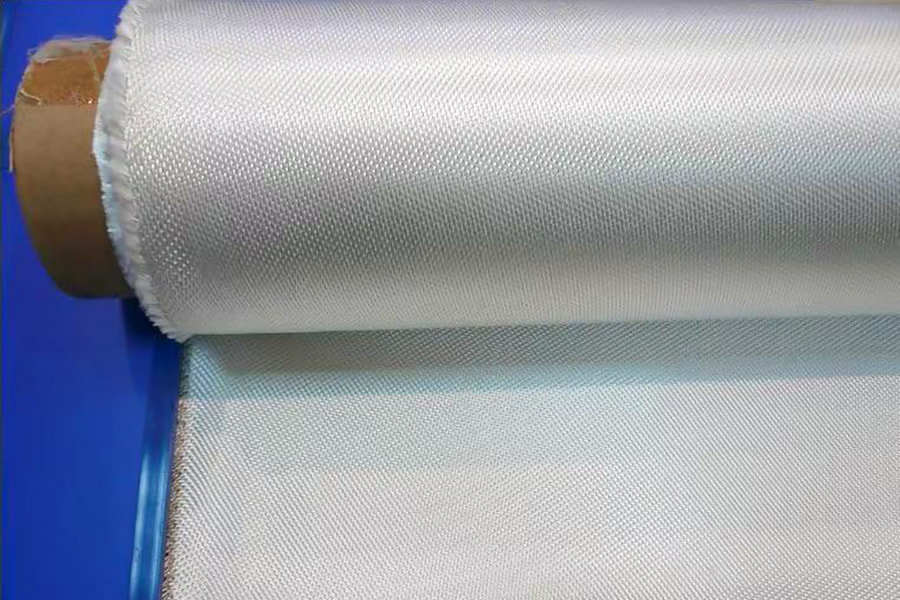 High temperature fireproof and insulation medium silicon fiberglass fabricMedium silica fiberglass fabric, with a silicon content of 70% ± 5%, is a high temperature resistant inorganic fiber product that can be used for a long time in an env...View Product →
Areal weight and weave pattern control how a cloth sheet drapes, stacks, and transfers load in a laminated structure.
Lightweight 100 gsm cloths wet out faster and produce smoother surfaces; 300 and 400 gsm cloths build thickness per ply and carry more load. Tensile strength follows glass type and yarn tex, while tear resistance depends on weave density and edge quality.
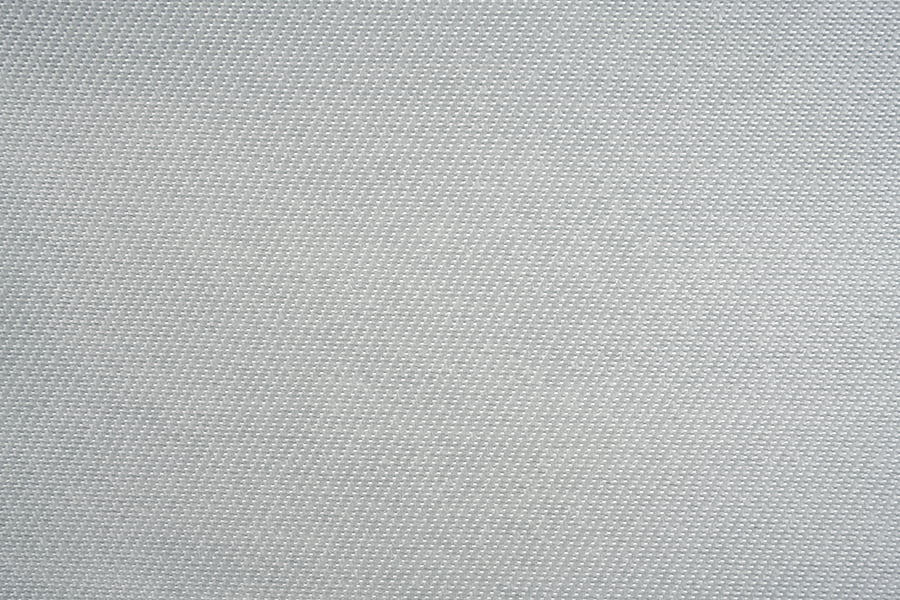
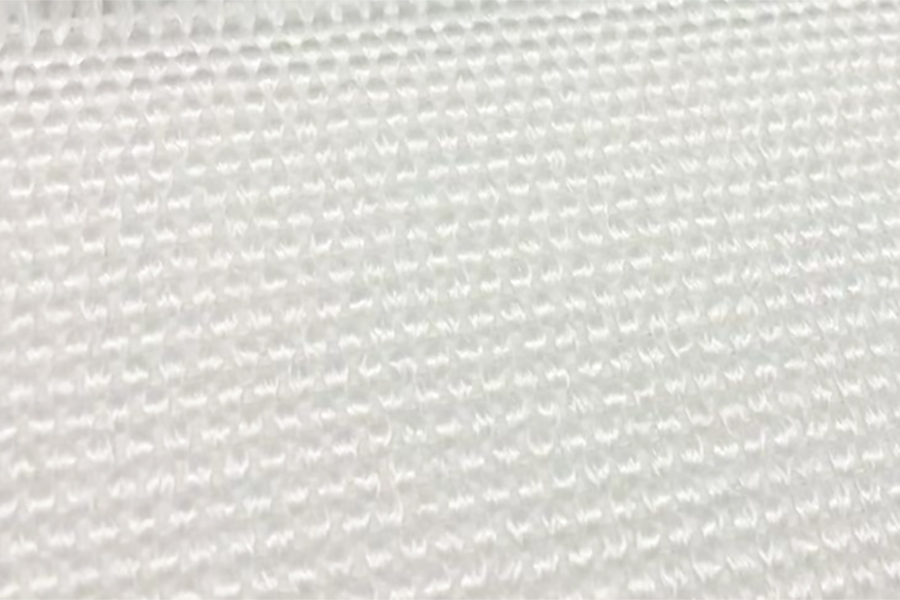
Tightly interlaced, dimensionally stable, and low in porosity. The default for flat panels, fire blankets, and electrical laminates.
Diagonal step structure gives better drape and conformity. Preferred for curved molds, boat building, and pipe wrapping.
The two numbers engineers check first are continuous operating temperature and the material's reaction-to-fire classification.
Fiberglass cloth does not burn, drip, or release toxic smoke, which is why it qualifies for the highest non-combustible classifications in industrial fire protection. The practical limit is glass softening and strength loss: E-glass holds its structure near 550 C continuous, while high-silica cloth extends that ceiling to 1000 C.
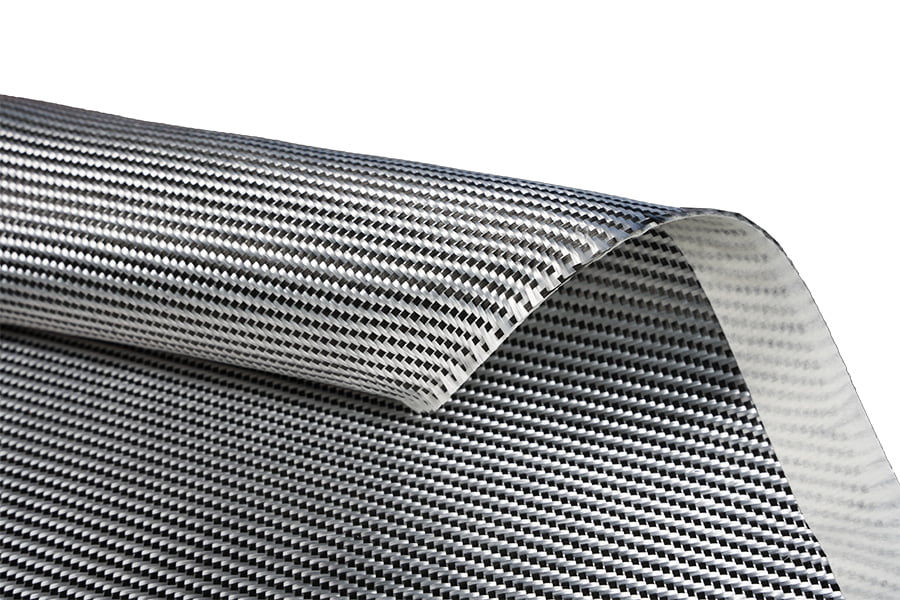 Fireproofing thermal protection industrial fiberglass FabricFiberglass fabric is a high-performance industrial fabric made from glass fibers and woven by special manufacturing processes.The product has the advantages of high st...View Product →
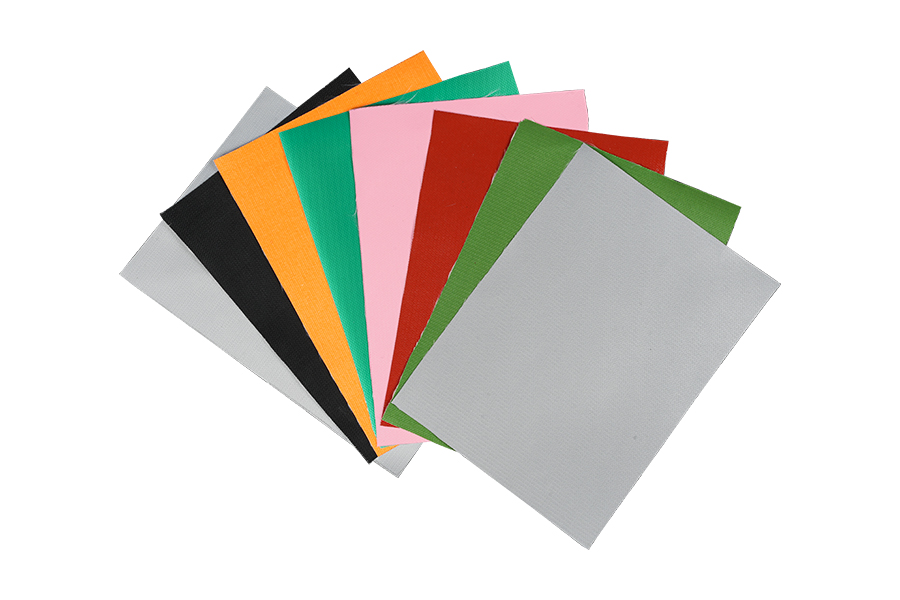
A coating converts a bare woven cloth into a sealed membrane with defined release, weathering, electrical, or sealing properties.
Coated cloth sheets also change mechanical behavior: coating weight adds stiffness and surface sealing, while the base cloth must still carry the thermal and tensile load.
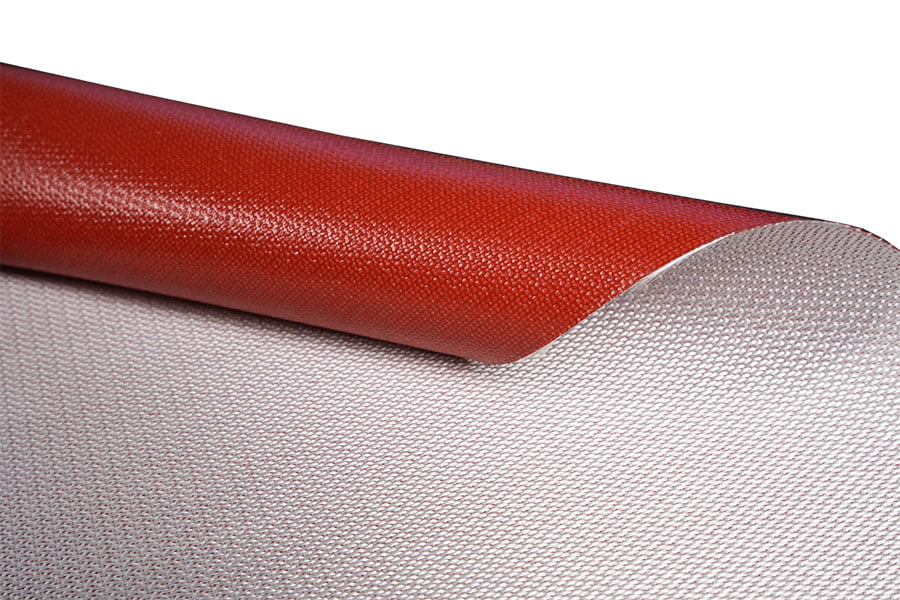 High temperature resistant, flame retardant, corrosion resistant silicone insulation fabriSilicone insulation fabric is made of fiberglass fabric coated with silicone coating. It has high strength, high and low temperature resistance (-70~260℃), high insula...View Product →
Supplier qualification comes down to production control across four stages: yarn preparation, weaving, heat cleaning, and finishing.
Jiaxing Jiete New Material Co., Ltd., a fiberglass woven fabric manufacturer based in Haining, China, is an example of a full-process operation: roughly 150,000 square meters of plant, more than 200 employees, and about 200 production machines covering Karl Mayer warping and slashing, air jet looms, Dornier rapier looms, and multiple coating lines. In-house warping and slashing keep yarn tension controlled; heat cleaning removes starch-based size before coating; and coating lines apply polymer films at controlled add-on weights.
Understanding the production chain explains why those details matter: how fiberglass cloth rolls are manufactured for industrial use shows where defects enter and how stable process control removes them.
Standard E-glass cloth is rated near 550 C continuous. Medium-silicon cloth extends that to roughly 900 C, and high-silica cloth reaches about 1000 C, depending on weave, weight, and finish.
No. Fiberglass cloth is non-combustible; it does not ignite, drip, or release toxic smoke when exposed to flame, and it meets the highest non-combustible classifications used in industrial fire protection.
The gsm figure is areal weight in grams per square meter. A 100 gsm cloth is thin and fast-wetting for surface veils; a 400 gsm cloth builds thickness and strength per ply for structural laminates and thermal insulation.
Silane coupling agents bond the glass surface to the resin matrix, which improves wet-out, interlaminar shear strength, and moisture resistance. Without the correct finish, a cloth delaminates faster even when its weave and weight are right.
Recommended Products
Copyright © 2025 Jiaxing Jiete New Material Co., Ltd. All Rights Reserved.
Wholesale Wide Width Fiberglass Cloth Roll Suppliers



 English
 中文简体
中文简体