2026-10-14
A laminating plant replaces its conveyor belt every six weeks because cured adhesive builds up on the surface and marks every sheet. A membrane contractor needs a roofing material that will survive twenty years of direct sun without becoming brittle. A chemical processor requires a sealing medium that ignores concentrated acids. These are not exotic requests; they are everyday jobs for PTFE fiberglass fabric.
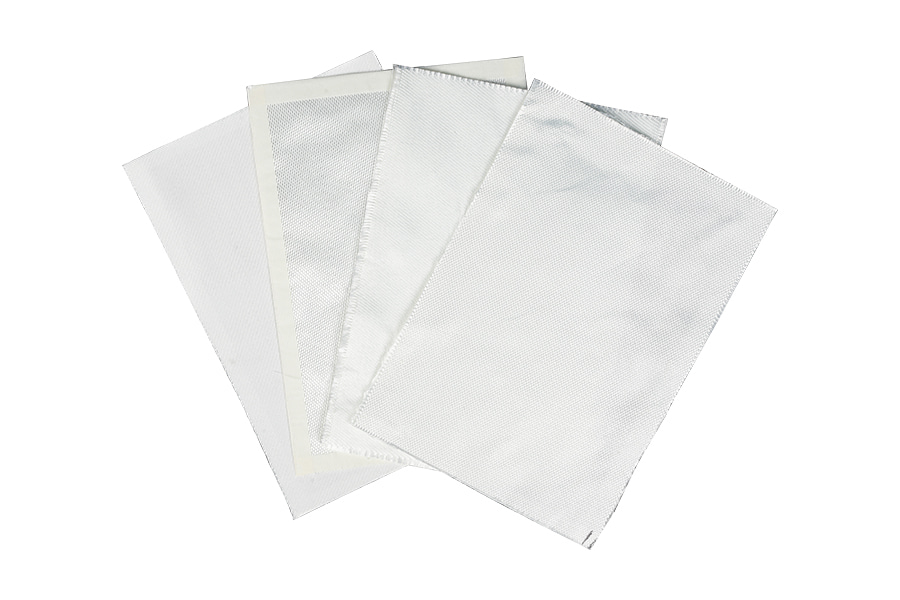
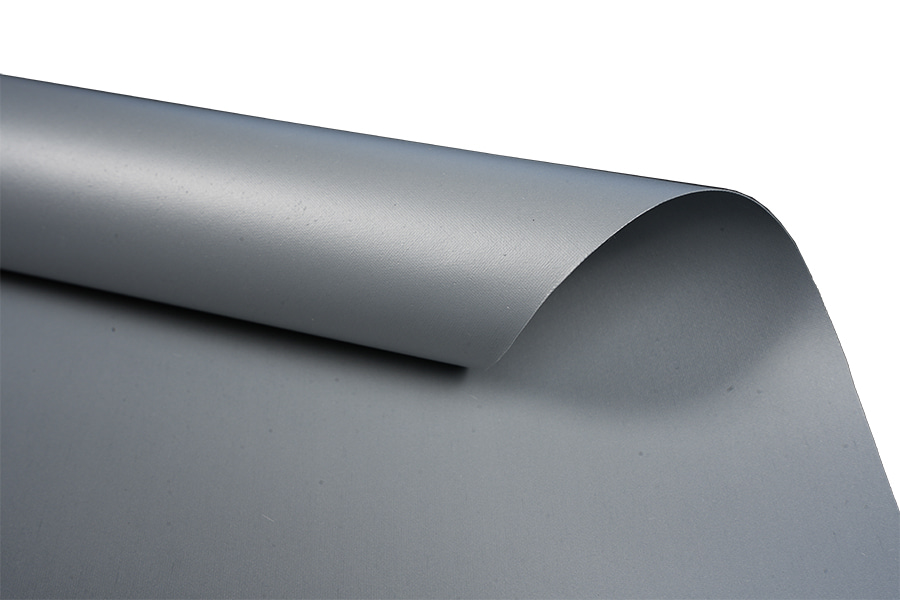
The material fills that role because of what it is: a woven glass substrate carrying a polytetrafluoroethylene (PTFE) coating. The glass provides strength and dimensional stability; the PTFE supplies release, chemical resistance, and a service temperature range that few coated textiles can match. The result is a composite fabric that behaves predictably from about -70°C to roughly 260°C of continuous heat, while remaining flexible enough to be cut, sewn, or fabricated into belts, blankets, membranes, and gaskets.
This guide explains how PTFE fiberglass fabric is constructed, which properties matter in practice, how it compares with cheaper coated fiberglass materials, and what to verify before placing an order. If you already know your application but are unsure which grade to specify, the selection criteria in the second half of the article will help you brief suppliers accurately.
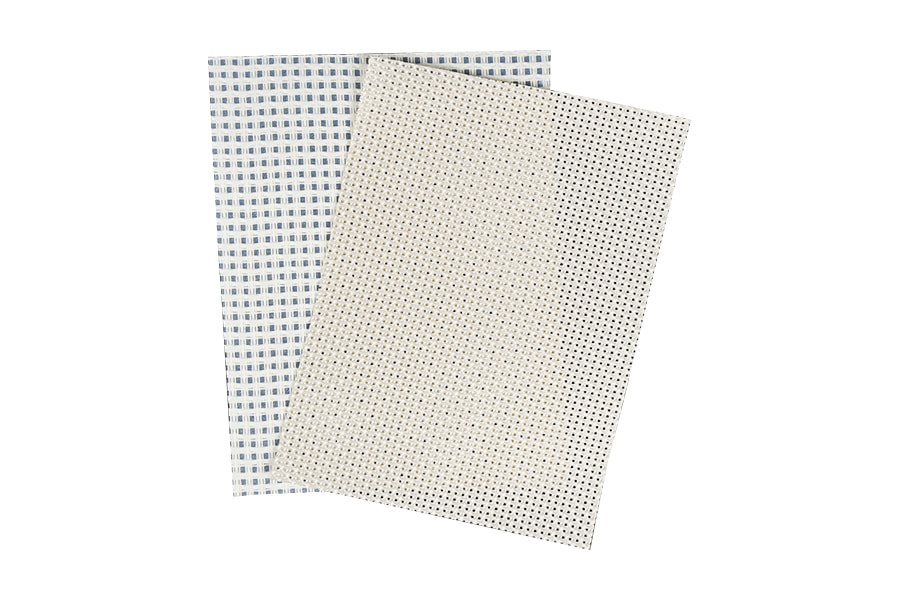
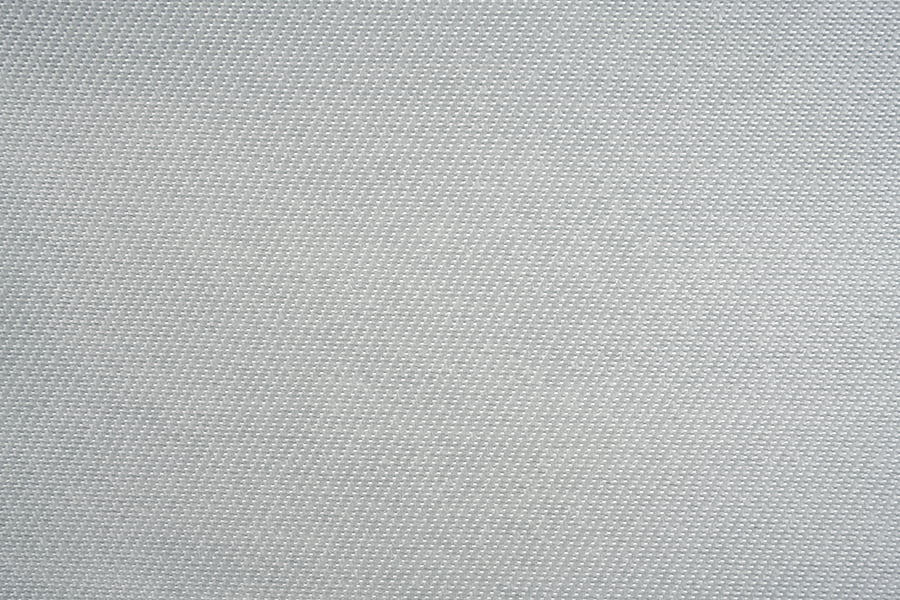
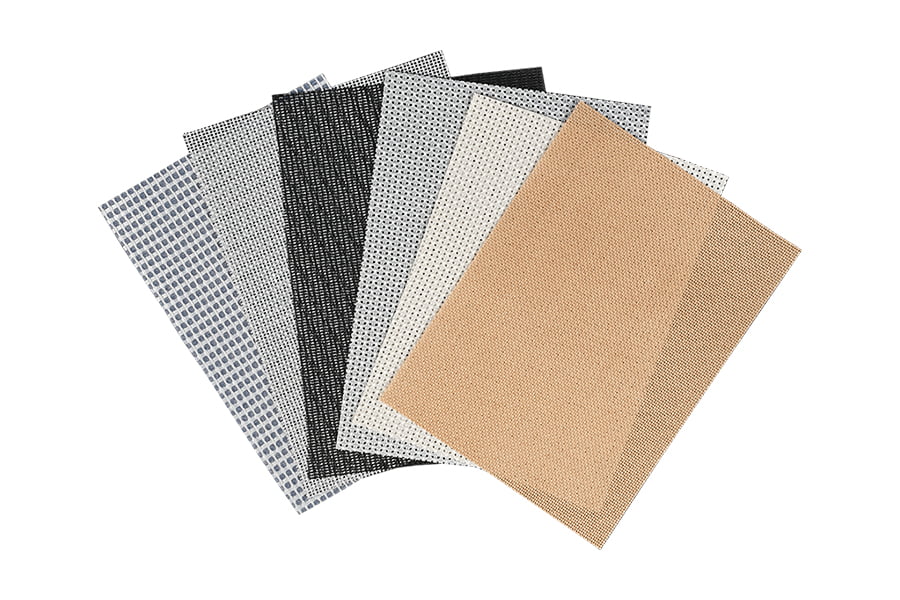
Every PTFE fiberglass fabric starts with yarns of continuous glass filament. E-glass is the most common choice because it balances tensile strength, electrical insulation, and cost. Where the operating temperature approaches the upper limits of the coating, high-silica glass yarns can be substituted because they remain stable at even higher temperatures. The yarns are woven into different constructions: plain weave for general-purpose sheets, twill weave where drape and flexibility matter, and open-mesh weaves for conveyor belts that need to allow air or heat to pass through.
The woven glass is cleaned and heat-treated to remove the fiber sizing, then passed through a PTFE dispersion bath, dried, and sintered at high temperature. Multiple passes build up the coating layer until the target thickness and polymer content are reached. The final surface is a continuous, non-porous film that encapsulates the glass fibers and protects them from moisture, abrasion, and process chemicals.
Two properties of the coating define how the fabric behaves. First, PTFE has one of the lowest coefficients of friction of any solid material, which creates the non-stick release surface. Second, it is chemically inert to almost all acids, alkalis, and solvents at room temperature, and to a very wide range of them at elevated temperatures. Together these characteristics give the fabric a long service life in environments where other coated textiles fail within weeks or months.
Property data sheets from different mills will not always match, because fabric weight, weave, glass type, and coating thickness all shift the numbers. The table below shows typical ranges for commercial PTFE fiberglass fabrics; use it as a baseline when you evaluate a supplier's spec sheet.
| Property | Typical Range | Why It Matters |
|---|---|---|
| Continuous service temperature | -70°C to 260°C | Sets the thermal ceiling for belts, heat shields, and sealing components. |
| Short-term peak temperature | Up to 300°C or higher | Useful for intermittent exposure and welding curtains. |
| Coefficient of friction | 0.05 to 0.10 | Low friction improves release and reduces drag in conveying. |
| Tensile strength (warp) | Roughly 500 to 3000 N/50 mm | Higher values suit structural membranes and load-bearing belts. |
| Dielectric strength | Several kilovolts, depending on thickness | Supports electrical insulation and coil wrapping. |
| Water absorption | Below 0.1 percent | Moisture does not penetrate or weaken the composite. |
| UV resistance | Excellent | Outdoor membranes retain strength after years of exposure. |
Treat the ranges as a sanity check rather than a guarantee. If a quote lists a continuous temperature limit above 300°C for a standard E-glass grade, ask which base cloth and which coating formulation make that possible.
PTFE fiberglass fabric is frequently compared with other coated fiberglass materials, and the comparison matters because the alternatives cost less per square meter. The right choice is not about which material is "best"; it is about which performance level your application genuinely requires. The table below summarizes the practical differences.
| Criteria | PTFE | Silicone | PVC | PU |
|---|---|---|---|---|
| Continuous temperature limit | About 260°C | About 200°C to 230°C | About 70°C to 80°C | About 90°C to 120°C |
| Non-stick surface | Excellent | Moderate | Poor | Fair |
| Chemical resistance | Outstanding | Good | Limited by plasticizers | Fair |
| UV resistance | Excellent | Good | Moderate | Moderate |
| Low-temperature flexibility | Good | Excellent | Stiffens | Good |
| Relative cost | Highest | Moderate | Low | Low to moderate |
| Typical uses | Release belts, architectural membranes, insulation | Fire blankets, ducts, flexible connectors | Tarps, curtains, ducting | Tarps, protective covers |
The pattern is consistent: every step down in cost removes some thermal, chemical, or UV capability. If your line runs below 100°C and the surface only needs to shed dust, PVC or PU coatings may be the economical choice. If you pay for PTFE, you should be getting non-stick release, chemical resistance, or heat stability that the cheaper coatings cannot provide.
The same combination of properties repeats across five major application families. Start by matching your operating conditions to one of these groups.
PTFE-coated glass belts are standard in lamination, heat sealing, plastic welding, and food processing because the low-friction surface releases adhesives, resins, and cooked product without scraping. Open-mesh versions allow air and heat to pass through the belt, which makes them common in drying ovens, powder-coating lines, and screen printing.
PTFE fiberglass fabric is one of the few building materials that can hold a structural tension load while offering high fire resistance and surviving decades of direct sunlight. Tensile roofs, canopies, and permanent skylights use coated glass cloth because it does not creep like polymer-only films, and because its UV resistance keeps the membrane translucent and strong over time.
The combination of high dielectric strength and heat resistance makes PTFE fiberglass fabric suitable for coil wrapping, slot liners, and other insulation jobs in motors, transformers, and heating elements. The fabric is thin and conformable, and it does not lose its insulating value when exposed to moisture or process oils.
Welding curtains, protective blankets, and heat shields rely on the fabric's ability to block radiant heat without igniting or melting. Because the glass substrate is inherently non-combustible and the PTFE coating does not burn easily, the material contains sparks and molten splatter better than most alternatives.
Expansion joints, gaskets, and pipe wraps in chemical plants use PTFE fiberglass fabric because it withstands acids and solvents that quickly soften rubber or PVC. The same inertness makes it practical for release sheets in composite molding, where resin must not bond to the tooling surface.
Instead of ordering the heaviest fabric you can find, define the job's demands first and then select the grade that meets them. These five checks cover most sourcing decisions.
If the fabric is going into a building envelope, fire performance and UV stability will rank highest. If it is going into a process belt, release and temperature stability will dominate. Write down your top three requirements before contacting a supplier; it makes the conversation faster and the quote more accurate.
The difference between a good fabric and a frustrating one often comes down to process control. A manufacturer that weaves the glass, prepares it, and applies the coating on one continuous production line can keep yarn tension, coating thickness, and sintering temperature consistent from roll to roll. A converter that buys greige goods and hires a third party for coating has less control over every one of those variables.
Vertical integration is therefore a practical question to ask during supplier evaluation. Jiaxing Jiete New Material Co., Ltd., the manufacturer behind this guide, covers roughly 150,000 square meters and operates warping and sizing equipment from Karl Mayer, air-jet looms, Dornier rapier looms, and multiple coating lines, so weaving and coating are planned as one process. The same plant designs custom weaves for clients who need a specific width, weight, or coating build-up.
Beyond production capability, check a shortlist of operational questions:
PTFE fiberglass fabric is a mature material with a wide performance envelope, and a supplier's process discipline determines whether the fabric you receive matches the one you sampled. Confirming that discipline, rather than choosing on price alone, is the most reliable way to protect a production line that depends on it.
Recommended Products
Copyright © 2025 Jiaxing Jiete New Material Co., Ltd. All Rights Reserved.
Wholesale Wide Width Fiberglass Cloth Roll Suppliers



 English
 中文简体
中文简体