2026-10-07
A sourcing engineer who compares three quotations for fiberglass cloth rolls usually finds that the cheapest option is not the most economical one. The difference rarely lies in freight or markup; it lies in specification. A roll with the correct weight but the wrong surface finish, or the right temperature rating but poor width consistency, creates rework, waste, and line stoppages.
The practical buying rule is simple: define the operating temperature, the mechanical load, and the chemical exposure before comparing prices, then select the glass type, weave, finish, and coating that match those conditions. This guide explains each decision in the order it matters to a fabricator.
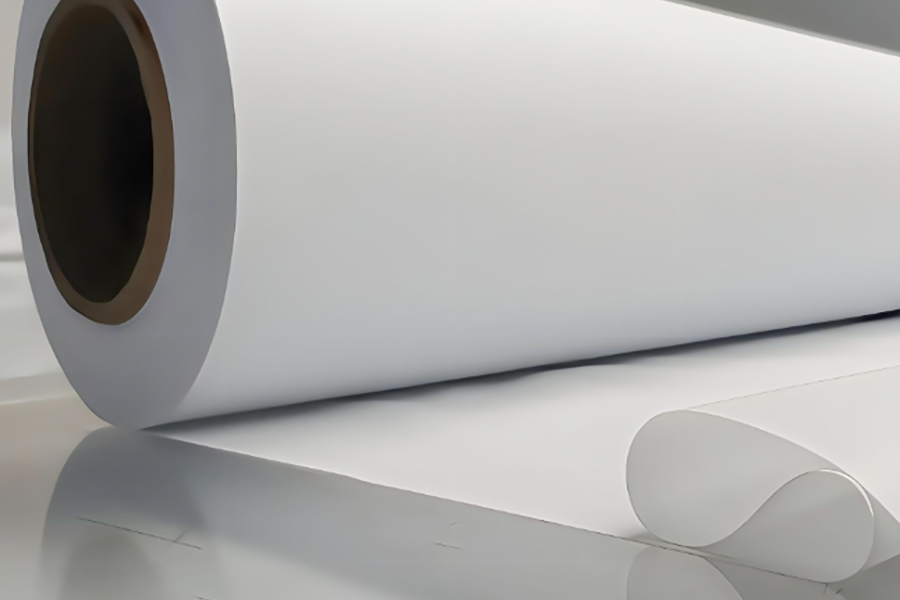
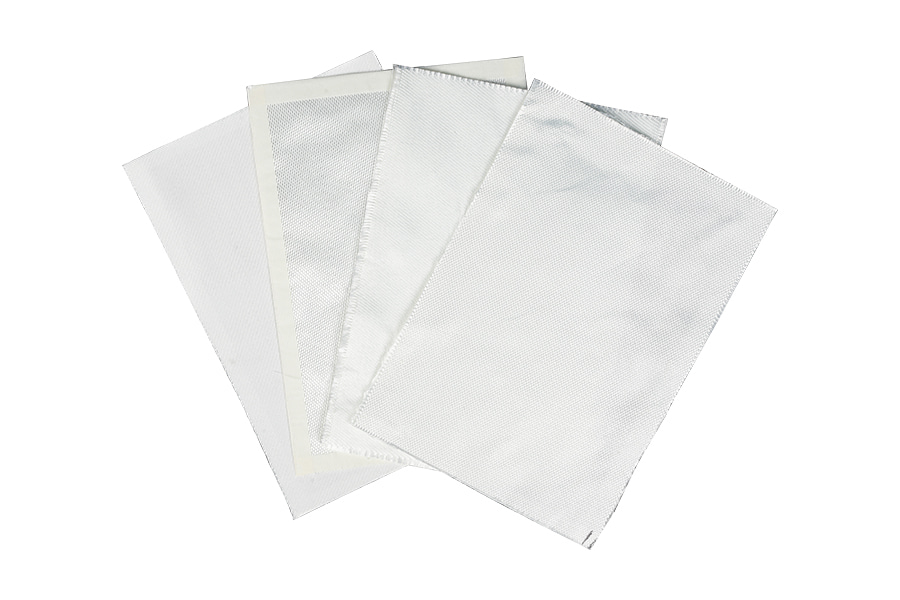
A fiberglass cloth roll carries four layers of specification: the glass yarn, the weave construction, the surface treatment, and, in many cases, a coating. Each layer changes the price, the performance, and the correct application.
Most rolls are woven from continuous filament E-glass yarn, which offers good electrical insulation, stable mechanical properties, and a working temperature around 550 °C for continuous exposure. Where acid or alkaline media are present, C-glass grades resist chemical attack better. For extreme heat protection, high-silica cloth with a silicon dioxide content above 96% extends the usable range close to 1,000 °C, at higher cost.
The yarn reaching the loom carries a starch-oil size that protects the filaments during weaving. That size must be removed for most end uses. Heat-cleaning burns off the organic residue for insulation and fire-protection fabrics, while silane finishes chemically link the glass surface to the resin system used in laminating.
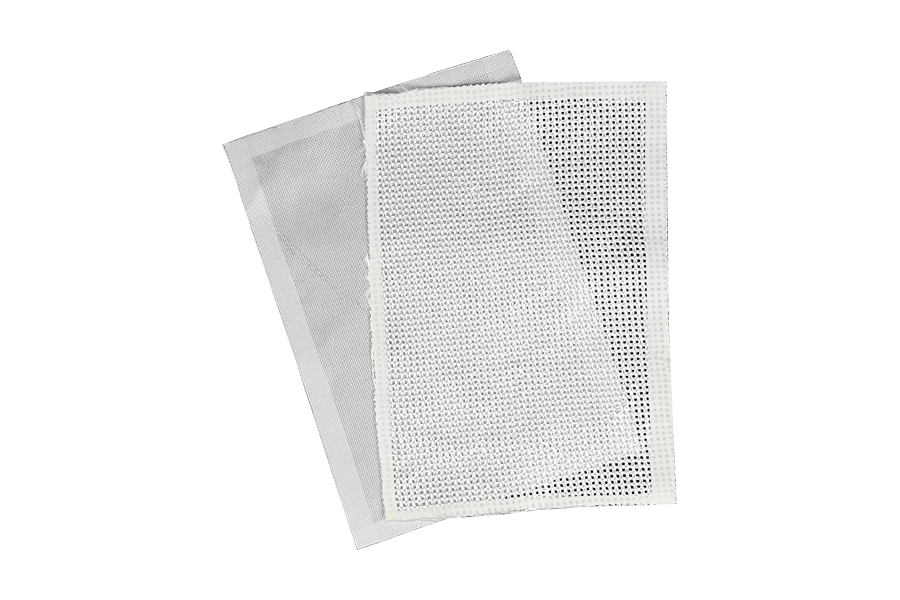
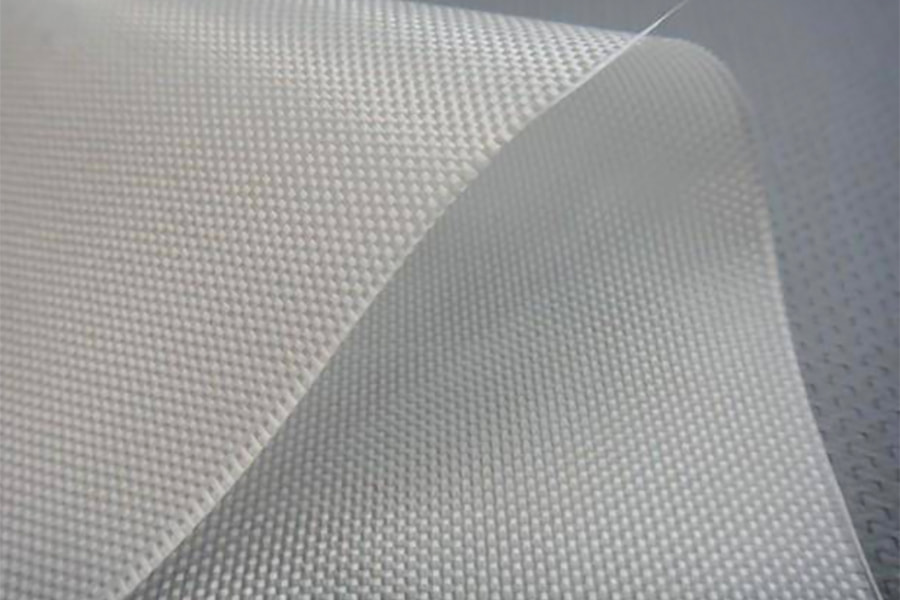
Plain weave is the workhorse construction: dimensionally stable, tight, and firm, it suits fire blankets, thermal insulation, and protective curtains. Twill weave is more supple and drapes over curved equipment. Satin weaves create a smooth cloth with low crimp, preferred for composite laminates. Leno and mesh weaves lock paired warp yarns around the weft, keeping the open area stable for filter mesh, insect netting, and reinforcement grids.
Before requesting a sample roll, put five numbers on the table: weight per square meter, thickness, width, roll length, and tensile strength. Together they define how the cloth covers, insulates, and carries load.
| Parameter | Typical market range | Why it matters |
|---|---|---|
| Fabric weight | 100 to over 1,000 g/m² (about 3 to 30 oz/yd²) | Sets coverage, insulation value, and unit cost; a tolerance of ±5% is tight, ±10% is common. |
| Thickness | 0.08 to 1.5 mm; textured cloth up to 3 mm and more | Defines gap-filling performance in thermal barriers and seals. |
| Roll width | 1.0, 1.2, and 1.5 m standard; wide rolls to 3.2 m | Wider rolls reduce seams in membranes, blankets, and tarpaulins. |
| Roll length | 30, 50, or 100 m depending on weight | Affects inventory, handling, and splice frequency on continuous lines. |
| Tensile strength (strip) | Roughly 1,200 to 2,500 N per 50 mm for 200 to 300 g/m² plain weave | Confirms mechanical capacity for lifting, fixturing, and reinforcement. |
Two rolls with the same nominal weight can behave differently. Check the width tolerance; a deviation of about ±1 cm on a 1.5 m roll is acceptable for many uses, but coated architectural cloth needs a clean, straight edge to avoid trim waste. Weave count, expressed as ends and picks per centimeter, reveals how open or dense the cloth is. And inspect the first and last meters of any sample roll, because uneven winding creates creases near the core.
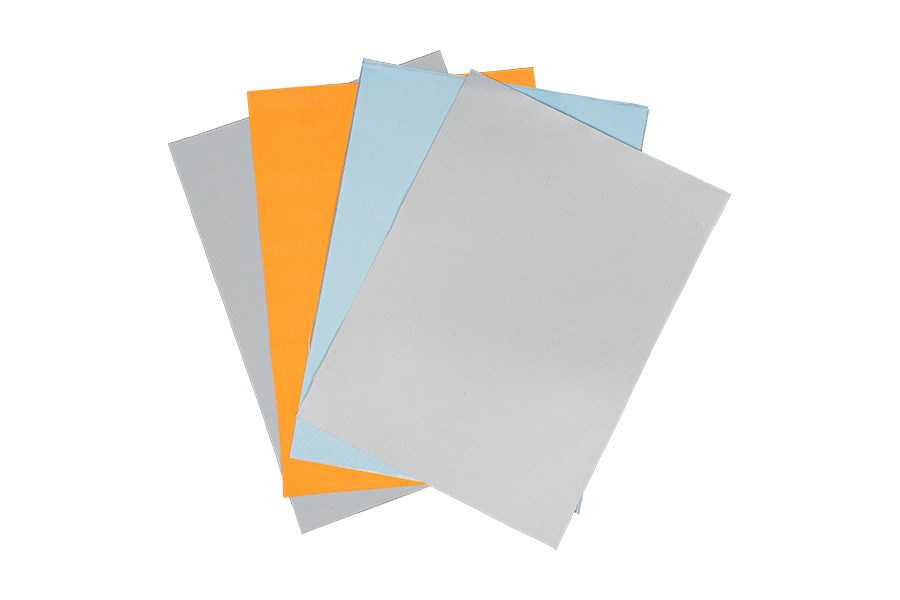
Manufacturers usually separate rolls into four groups. Recognizing the group helps match the roll to the process.
Each group sits at a different price point, and each demands a different finishing line. A supplier that weaves but does not coat can usually deliver the first three groups; the fourth requires full-process control.
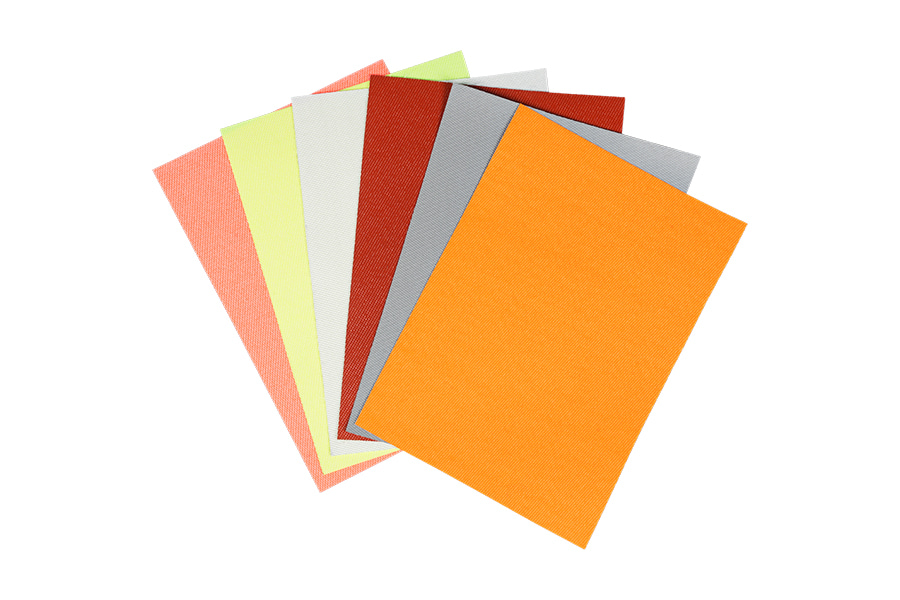
Coating turns an insulating fabric into an engineering material. The coating, not the glass, usually sets the continuous service temperature, so choose it last and choose it carefully.
| Coating | Typical continuous temperature | Main strengths | Typical uses |
|---|---|---|---|
| PTFE | Up to about 260 °C | Non-stick surface, chemical resistance, dielectric strength | Conveyor belts, release sheets, welding curtains, architectural membranes |
| Silicone | -50 to about 250 °C | Flexibility, flame retardancy, electrical insulation | Fire blankets, insulation covers, flexible ducting, inflatable seals |
| PVC | -20 to about 70 °C; flame-retardant grades for welding screens | Waterproofing, abrasion resistance, cost efficiency | Tarpaulins, cable wrapping, ventilation ducts, welding protection |
| Vermiculite | Close to the glass limit, about 550 °C | Rigid thermal barrier, molten metal splash resistance | Furnace insulation, casting protection, heat shields |
| Aluminized | Depends on the base cloth; reflects radiant heat | Reduces radiated heat load on workers and equipment | Furnace curtains, reflective insulation jackets |
Note the pattern: PTFE and silicone coatings serve high-temperature and fire-safety duties, while PVC and PU coatings address waterproofing at lower temperatures. If the cloth touches hot surfaces above 300 °C continuously, the choice narrows to vermiculite or an uncoated heat-cleaned cloth.
Industrial insulation wraps typically use plain or twill weave in the 300 to 600 g/m² range, heat-cleaned so the cloth can breathe without emitting smoke. Welding blanket manufacturers favor heavier grades around 700 to 1,000 g/m², sometimes silicone-coated where sparks and spatter are intense. Filter fabric producers look for a smooth surface and an open weave that releases dust cake easily; here, width consistency is critical because bags are sewn on automated lines. Electrical applications rely on E-glass with a silane finish and controlled moisture content so that insulation resistance stays stable. Architectural membrane projects use PTFE-coated glass cloth, where the glass carries tensile loads and provides dimensional stability for the building envelope.
The common thread: the application sets the hierarchy of specifications before commercial negotiation starts. This is also where an experienced supplier adds value, because a manufacturer that weaves, treats, and coats in one plant can adjust yarn twist, weave density, or coating weight so that the roll matches your process instead of the other way around.
Because glass cloth is specification-driven, the reliability of the supplier matters as much as the data sheet. Focus on four points during an audit or a factory visit.
These four checks separate a mill that treats your requirement as a production order from one that treats it as a repackaging job.
A fiberglass cloth roll is a small system: glass composition, weave, surface finish, and coating work together, and the roll performs only as well as the weakest of these elements. Start with the operating temperature, then the mechanical load, then the chemical environment, and finish with roll geometry and logistics. If a supplier can answer all four questions with test data and production insight, the unit price becomes secondary, because the cost of a mis-specified roll is always higher than the saving on the invoice.
Recommended Products
Copyright © 2025 Jiaxing Jiete New Material Co., Ltd. All Rights Reserved.
Wholesale Wide Width Fiberglass Cloth Roll Suppliers



 English
 中文简体
中文简体