2026-09-21
Material quality is the single biggest variable separating a fabric that lasts a season from one that lasts a decade. For industrial buyers specifying PTFE Fiberglass Fabric, the coating process, the fiberglass substrate, and manufacturing consistency together determine whether the material holds up under heat, chemical exposure, and continuous mechanical stress.
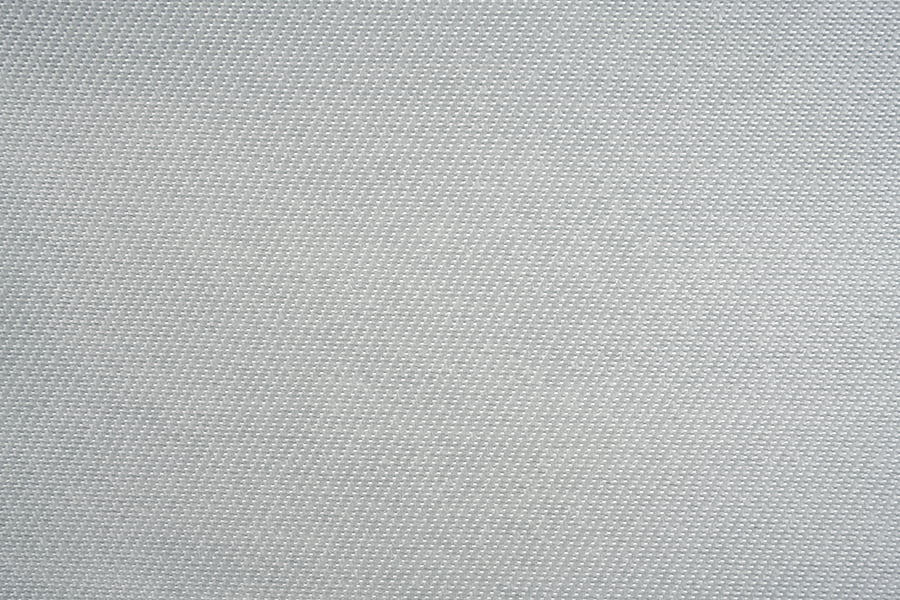
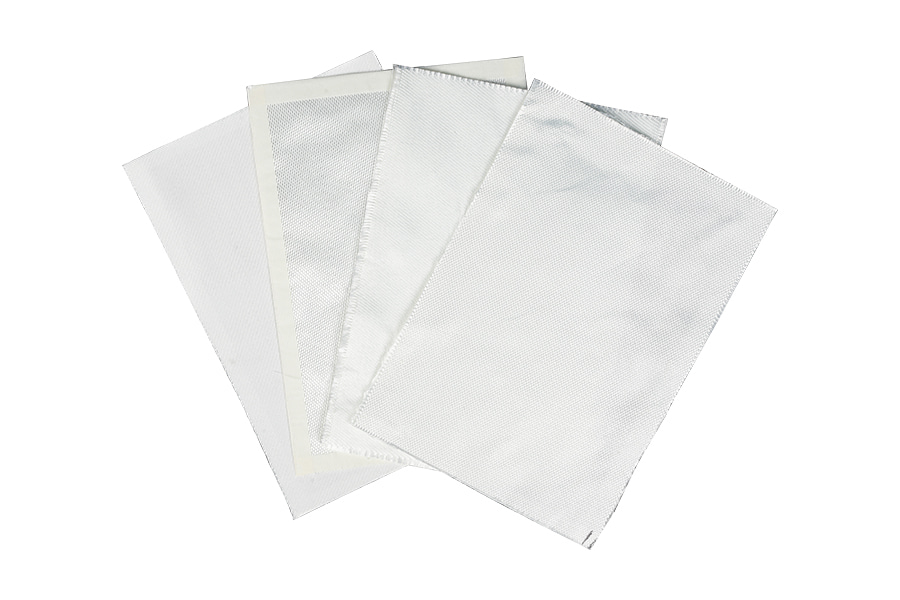
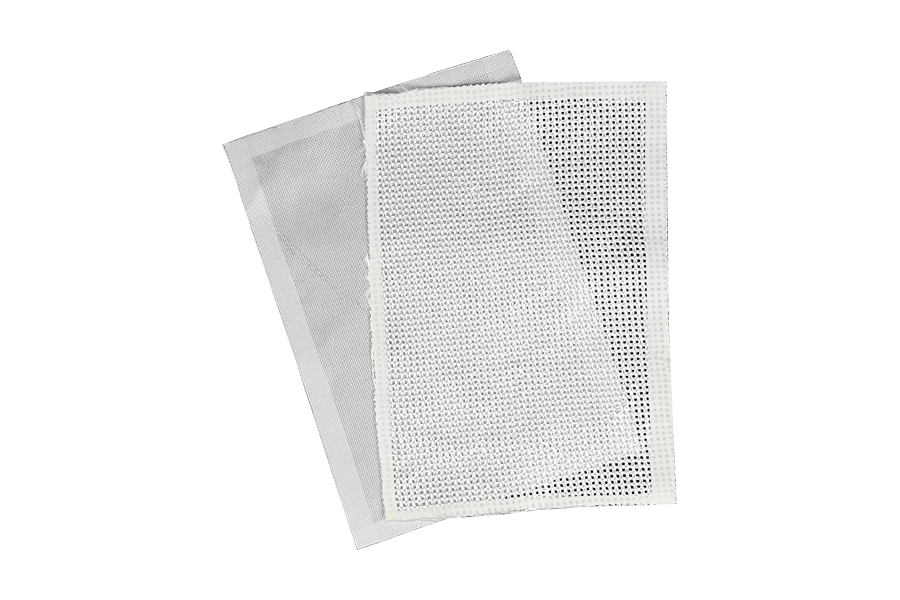
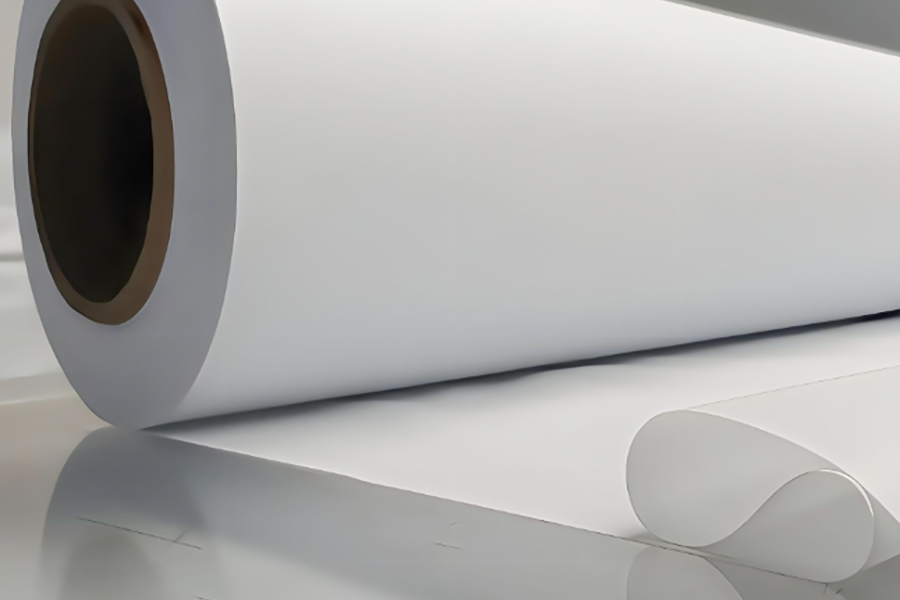
PTFE fiberglass fabric is a woven fiberglass substrate impregnated with polytetrafluoroethylene resin, combining the tensile strength of glass fiber with the chemical inertness and non-stick surface of PTFE.
Continuous exposure to high heat, mechanical flexing, and abrasive contact wears down poorly bonded coatings quickly. Fabric built for industrial processing equipment, heat sealing systems, and conveyor applications needs a coating that stays intact through thousands of operating cycles, not dozens.
A dense, uniform PTFE layer resists acids, alkalis, and solvents far longer than a thin or inconsistently applied one. Weak spots in the coating become entry points for chemical attack on the underlying fiberglass, which accelerates failure from the inside out.
Higher-quality fabric shows less surface degradation cycle after cycle, which means fewer replacements, less unplanned downtime, and more predictable output for the equipment it protects.
Five variables account for most of the performance gap between low-cost and high-performance fabric on the market.
| Quality Factor | What to Check | Performance Impact |
| PTFE coating uniformity | Thickness, surface smoothness, coverage consistency | Chemical resistance, non-stick behavior |
| Fiberglass substrate | Yarn quality, weave structure, tensile rating | Mechanical durability, dimensional stability |
| Thermal stability | Continuous rating, thermal cycling behavior | Heat deformation resistance |
| Surface properties | Friction coefficient, release performance | Non-stick and cleaning performance |
| Manufacturing control | Roll consistency, defect inspection | Batch-to-batch reliability |
Performance Profile: Standard vs Premium Fabric
A dense PTFE layer blocks chemical penetration to the fiberglass core, which is why the service life gap between coating grades widens sharply in chemical processing environments. Well-bonded fabric maintains its protective barrier through repeated exposure to corrosive processing chemicals, while thin or porous coatings break down and expose the substrate underneath.
Average Service Life by Coating Quality (Years)
Heat-resistant conveyor belts and drying equipment rely on low friction and stable high-temperature performance for continuous, long-running operation.
Baking belts and food release sheets depend on consistent non-stick properties and surfaces that clean easily between production runs.
Sealing machines and packaging lines need stable heat resistance to keep seal quality consistent shift after shift.
Release films and laminating processes use the fabric's surface properties to produce clean, defect-free part release.
Beyond the fabric itself, evaluate a supplier's material specifications and technical capability, including PTFE content, fabric weight, thickness options and temperature rating. Confirm coating inspection, tensile testing and heat resistance testing are part of standard quality control, and check whether custom widths, coatings and surface treatments are available. Supply stability, consistent quality across production runs, and export experience matter just as much as the spec sheet when a project timeline is on the line.
Choosing based only on price. Low-cost material often means poor coating quality, shorter service life and higher long-term replacement costs.
Ignoring application temperature and chemical exposure. Fabric specs need to match actual working conditions, not general assumptions.
Overlooking fabric structure and thickness. The wrong weave or thickness undermines strength, flexibility and overall equipment performance.
Looking for reliable PTFE fiberglass fabric solutions for industrial applications? Contact us for customized high-performance material support.
A dense, uniform PTFE coating forms a protective barrier over the fiberglass substrate, blocking acids, alkalis and solvents from reaching and degrading the underlying fibers.
Premium coated fabric commonly reaches several times the service life of standard coatings, often lasting years longer in continuous high-temperature or chemical-exposure applications.
Yes. Suppliers can typically adjust width, coating thickness, and surface treatment to match specific temperature, chemical, and mechanical requirements.
Cheaper fabric often has inconsistent coating coverage, which leads to premature coating breakdown, fiber exposure, and a much shorter service life than the sticker price suggests.
Recommended Products
Copyright © 2025 Jiaxing Jiete New Material Co., Ltd. All Rights Reserved.
Wholesale Wide Width Fiberglass Cloth Roll Suppliers



 English
 中文简体
中文简体