2026-09-18
Buyers who skip these values usually discover the problem after receipt: the goods weigh 30 percent more than expected, the weave slips when cut, or the silane finish is incompatible with the resin specified by engineering. These ten parameters carry most of the purchasing risk.
The first specification in any RFQ is glass composition, because E-glass, C-glass, R-glass and S-glass have different tensile strength, acid resistance and temperature limits.
Most commodity industrial fabric is E-glass. For applications that need higher strength or better chemical resistance, R-glass and S-glass are specified even though they cost more. Ask the supplier to state the glass type in the quote; otherwise, you may receive a substituted fabric with a similar appearance and a very different performance curve.
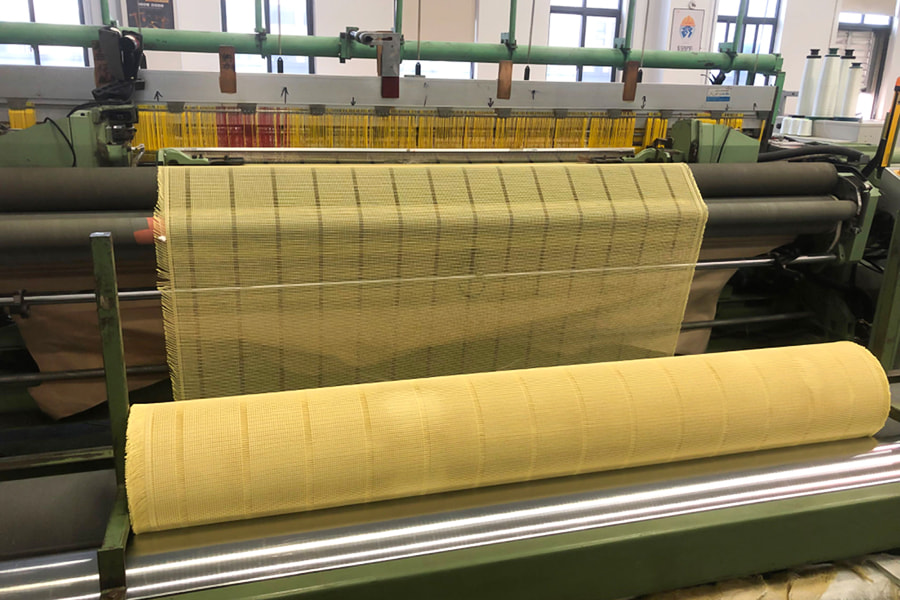
At Jiaxing Jiete New Material Co., Ltd., a typical production line sequences warping, sizing, weaving and coating in-house, which gives engineering teams one place to verify construction parameters before committing to a roll.
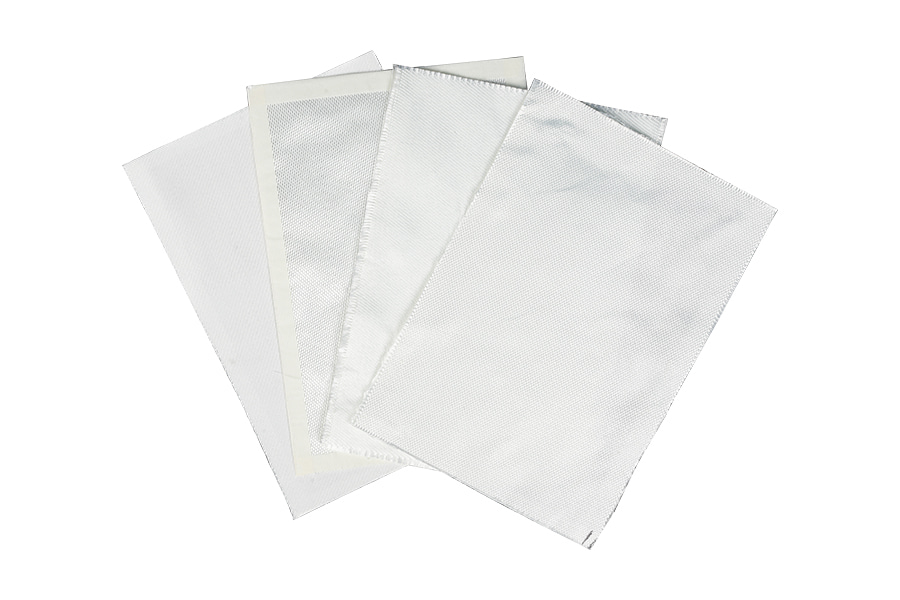 Fire Resistant Fiberglass Fabric from a Vertically Integrated Chinese ManufacturerThis listing introduces a producer that handles warping, sizing, weaving and coating in-house, making it a practical stop for engineers who need to verify weave and finish details before ordering industrial thermal protection rolls.View Product →
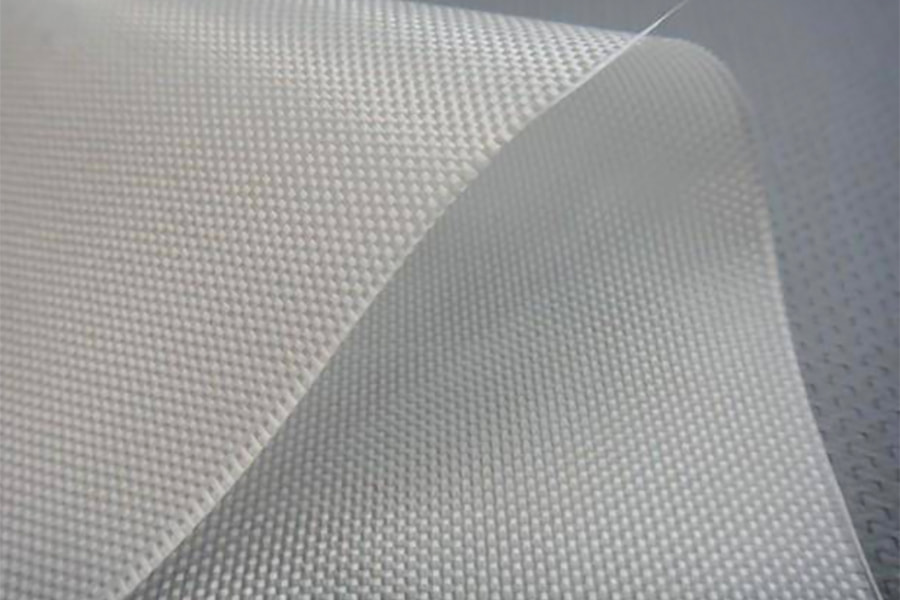
Weave structure and thread count determine how the fabric handles, how much resin it absorbs, and how much strength it transfers in a composite.
Specify the weave type by name: plain, twill, satin, leno or basket. Then add ends and picks per centimeter or per inch, because two plain-weave fabrics can have very different density and still both be called plain weave.
Balanced in both directions, stable when cut, lower drape. Common at 100-400 gsm for general reinforcement and electrical laminates.
Better drape and impact resistance, slightly less stable during cutting. Typical for automotive, marine and pipe-wrap composites.
Ask for yarn type and tex in the same line as the weave. If your supplier only confirms "twill, 600 gsm," request the full construction: warp tex, weft tex, ends per cm, and picks per cm.
Breaking strength, thickness and tolerances separate a fabric that runs on a production line from one that does not.
Breaking strength is normally reported in newtons per 50 mm strip, or N/50mm, tested in both warp and weft directions. Thickness is measured under a defined load, and it directly affects composite thickness after lamination.
| Parameter | Typical unit | Why it matters | Common range |
| Breaking strength | N/50mm | Controls structural performance and handling | 500-3500 N/50mm |
| Thickness | mm | Sets laminate thickness and dielectric spacing | 0.04-2.0 mm |
| Width tolerance | +/- mm | Affects cutting yield and edge waste | +/- 2-5 mm |
| Moisture absorption | % | Influences resin wet-out and electrical properties | below 0.1% |
Finish and edge treatment often matter more than the base cloth, because they control resin compatibility, temperature limits, and operator safety.
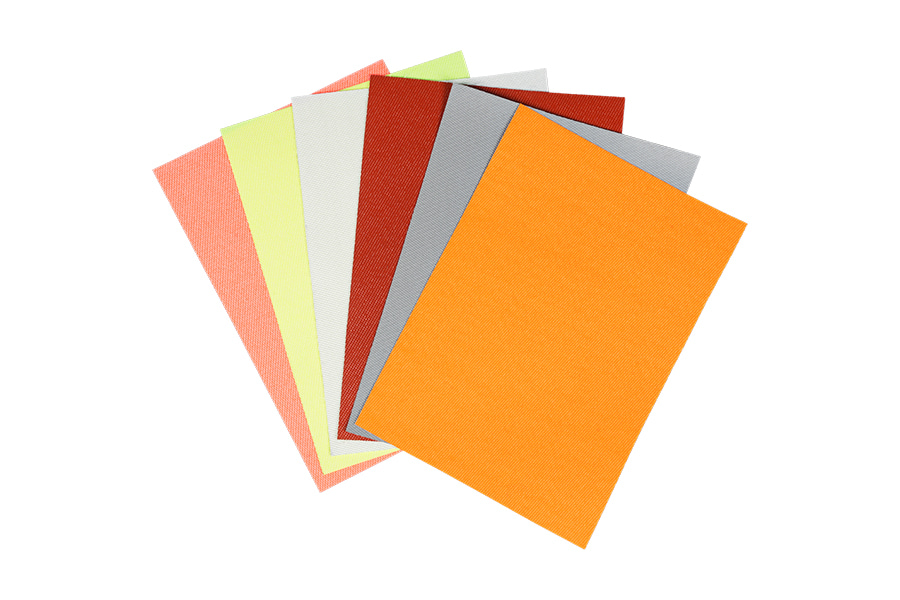
Base fiberglass fabric can be supplied as greige, with starch sizing, as heat-cleaned fabric, or with a silane coupling agent. For composites, specify the silane finish type so the fabric bonds with polyester, epoxy or vinyl ester resin.
Edge treatment is a separate line item: selvage, cut edge, or taped edge. For fabrics used in filtration or membrane structures, edge defects are a leading cause of premature failure, so specify acceptable edge damage and the preferred edge method.
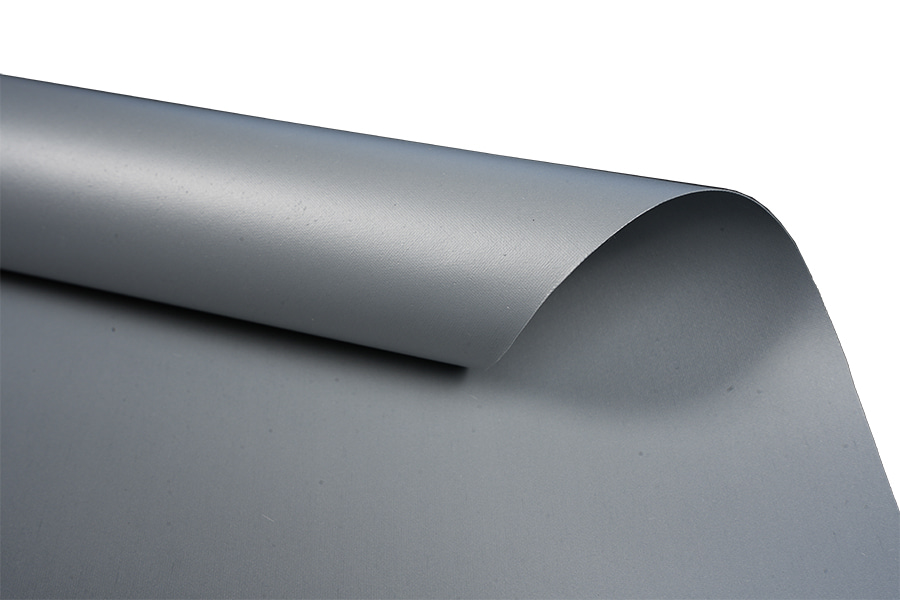
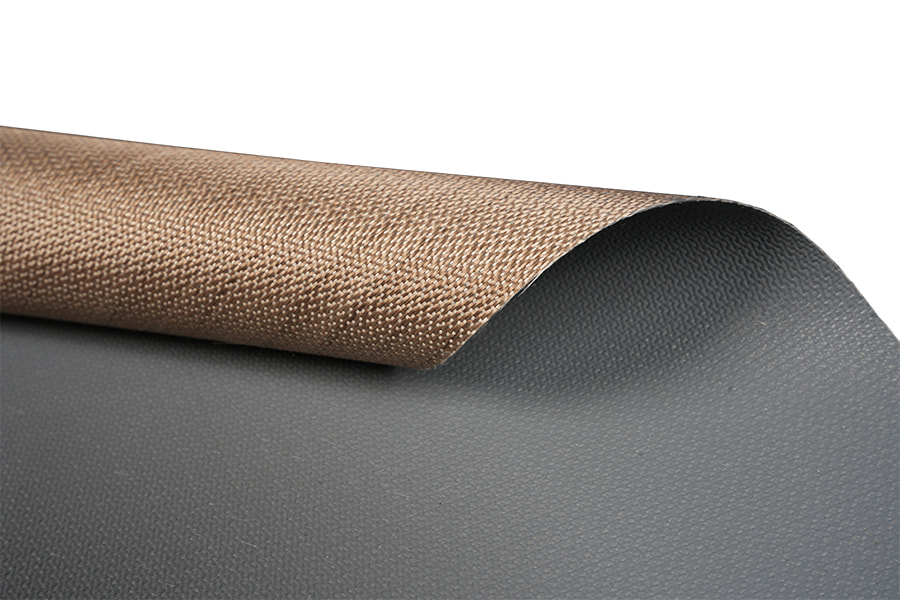 PTFE-Coated High Temperature Fiberglass Fabric with Broad Chemical ResistanceThis product suits applications from -70°C to 260°C and offers non-stick, low-friction, chemically resistant performance. It is worth reviewing when you need durable insulation or release surfaces with stable dimensions and easy cleaning.View Product →
Roll width, roll length, weight tolerance and packaging define whether a shipment can be received, stored and used without rework.
State the nominal width in millimetres, the roll length in metres, and the maximum number of splices allowed per roll. A roll that exceeds its weight tolerance will also exceed the expected total shipping cost and create inventory discrepancies.
Shipping from a line that integrates warping, weaving and coating reduces the number of handling points where the roll can be damaged. The same logic applies when you select a roll supplier: compare fiberglass fabric roll formats before selecting a standard width.
Each application shifts the priority of specifications: filtration, insulation, composites and protective fabrics ask for different combinations of the same parameters.
For filtration, start with air permeability, fabric thickness and chemical resistance. An expanded or texturized glass yarn creates a tortuous path for gas while keeping the filter media open.
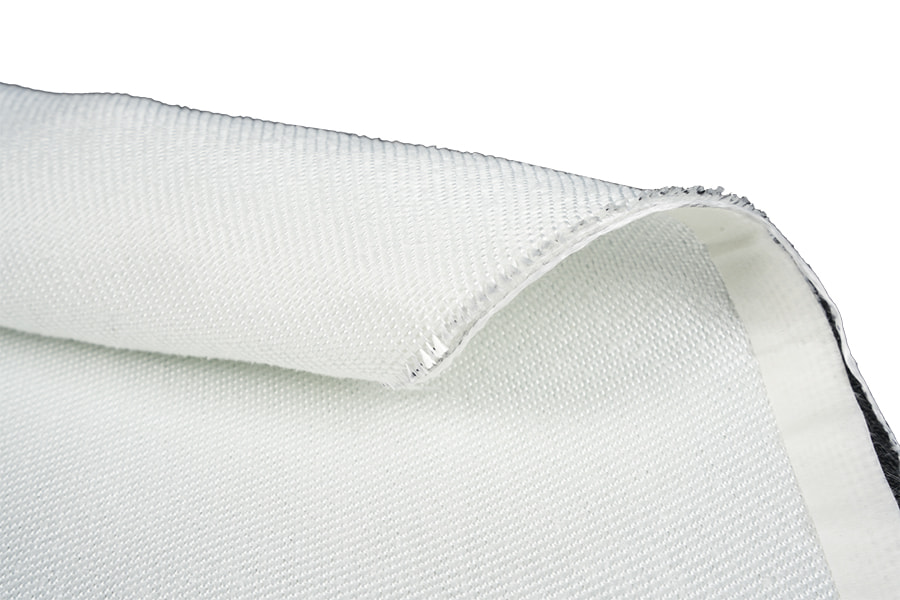 Expanded Fiberglass Filter Fabric for Chemical Resistant FiltrationDesigned for high air permeability and efficient filtration, this puffed glass fiber fabric keeps strength and chemical stability while creating tiny pores. It is relevant when selecting media for gas filtration with low resistance and long service.View Product →
For thermal insulation, specify continuous service temperature and residual strength after aging. For structural composites, specify breaking strength, modulus, weave and finish together; changing one parameter changes the laminate properties.
Engineering teams can also use a manufacturer's process guide to see how fiberglass cloth rolls are manufactured before locking final tolerances.
Start with glass type, areal weight and weave type. These three values define the material family, and every other parameter can be adjusted against them.
Specify both. Areal weight controls cost and resin-to-fiber ratio, while thickness controls laminate dimensions and dielectric spacing. Suppliers need both values to quote the right fabric.
Request the finish type and the recommended resin system in writing. For composite applications, a silane finish designed for epoxy will not automatically work with polyester resin.
Ask for a mill test certificate, batch number, tested GSM, thickness, breaking strength in warp and weft, and a statement of the finish. That documentation should be contractual, not informational.
Recommended Products
Copyright © 2025 Jiaxing Jiete New Material Co., Ltd. All Rights Reserved.
Wholesale Wide Width Fiberglass Cloth Roll Suppliers



 English
 中文简体
中文简体