2026-10-30
Specifying fiberglass mesh cloth for a reinforcement project is a decision about the structural geometry of the fabric, not just a cost per square meter. The two numbers that determine whether the mesh will perform in a floor heating system or an external insulation façade are the areal weight (g/m²) and the mesh opening size. Once the structure is fixed, engineering around almost every other variable becomes straightforward.
The performance of fiberglass mesh cloth is a direct function of three structural variables: areal weight, weave pattern, and strand geometry.
Areal weight is the reinforcement capacity in grams per square meter. Weave pattern defines the geometry of the openings and the elasticity of the fabric. Strand geometry, measured in Tex, determines the stiffness and the specific surface area of the yarn that interacts with the resin or cement matrix. Understanding these parameters in sequence prevents costly specification errors. For applications requiring a dense fabric rather than an open mesh, engineers often specify a woven fiberglass cloth roll instead.
| Areal Weight (g/m²) | Typical Mesh Opening | Primary Application |
| 90–110 | 4 x 4 mm | External thermal insulation systems |
| 145–165 | 5 x 5 mm | Floor heating and screed reinforcement |
| 200–300 | 6 x 6 mm or more | Heavy-duty industrial and FRP applications |
The two most critical specifications that dominate RFQs are areal weight and mesh opening size. Together, they determine whether a mesh can bridge cracks in a 5 mm insulation board or support a load in a composite panel.
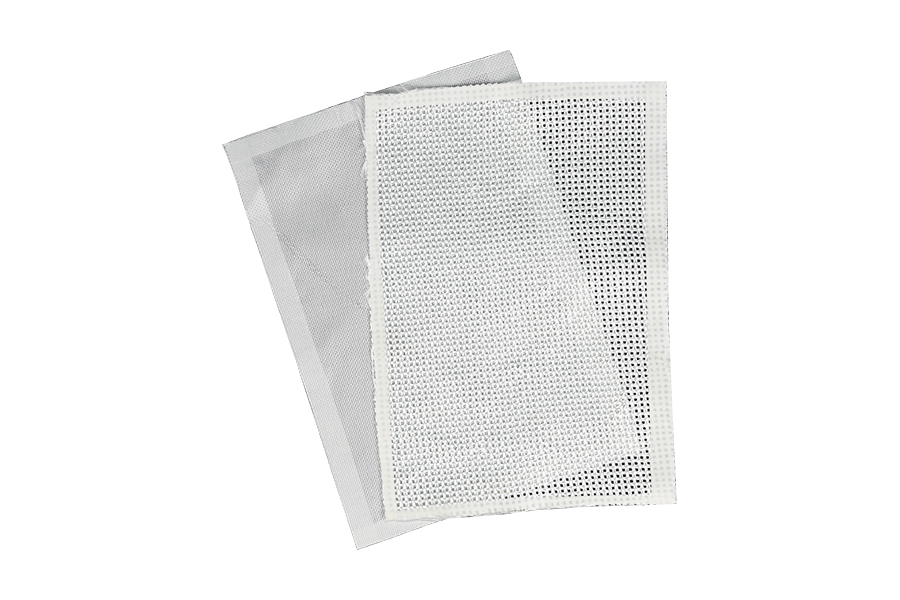
 Acrylic Coated Alkali-Resistant Fiberglass Mesh for Structural ReinforcementThis acrylic coated mesh offers a basic skeleton for coatings, with structural geometry that governs tensile strength, tear resistance, and resin wettability. It suits applications where mesh opening size and areal weight are critical for performance.View Product →
Mesh structure does not merely influence performance; it dictates it. Every performance attribute—tensile strength, tear resistance, elongation at break, alkali resistance, and resin wettability—has a structural root. The geometric arrangement of the glass filaments controls how stress passes through the fabric, how coatings attach to the surface, and how the matrix material flows into the fabric.
Square and symmetrical openings provide high stability and efficient resin wetting. It is the preferred structure when isotropic stress distribution is required throughout the composite.
The ground warp strands are twisted around the weft, locking the structure in place. This delivers the highest tear resistance for screeds and external meshes.
The right mesh is selected by matching structural parameters to the function of the final material. The most common choice in external insulation is the plain weave fiberglass cloth roll because it distributes stress uniformly. We use a four-step process at Jiaxing Jiete New Material Co., Ltd. to ensure the structural specification fits the application. This same process guides engineers, procurement managers, and specification writers.
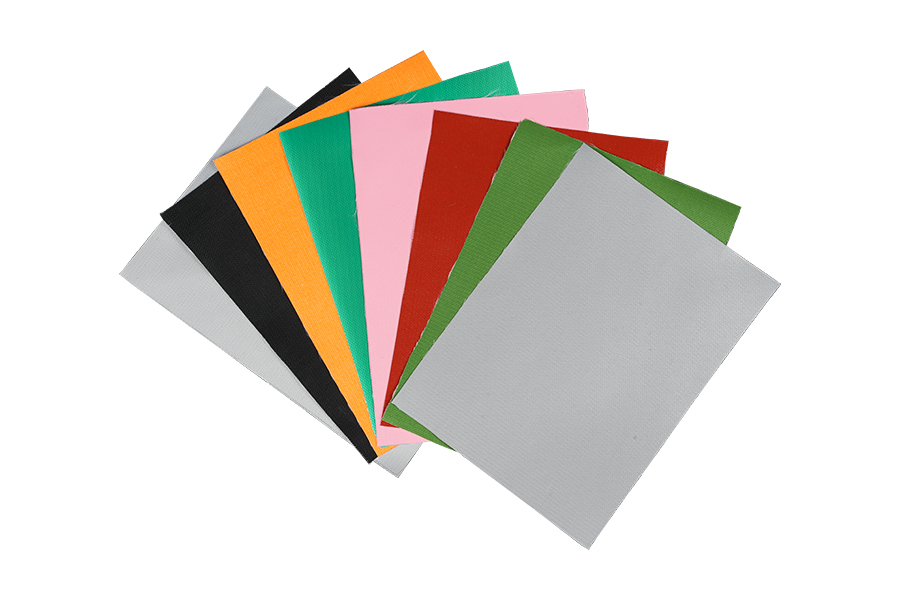
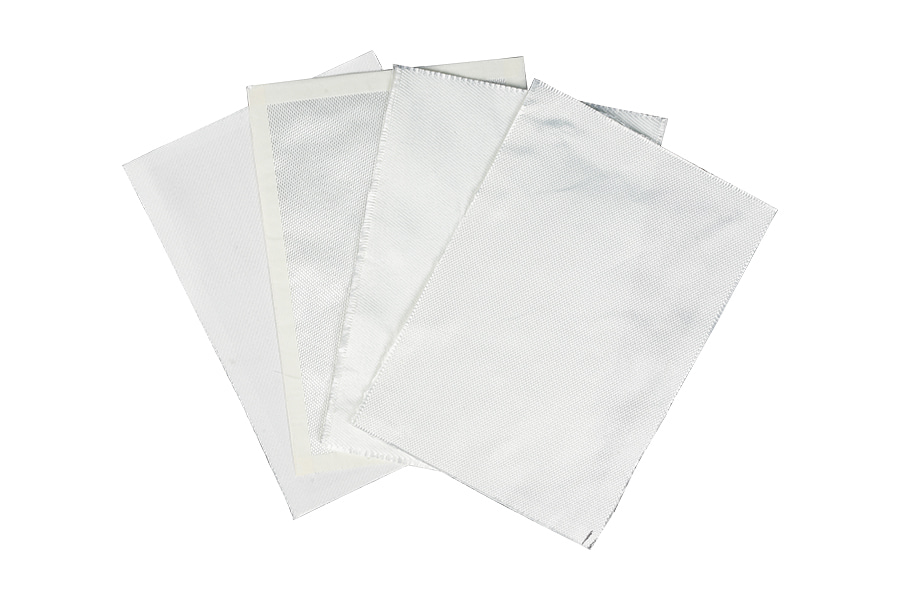 Fire Resistant Fiberglass Fabric for Thermal ProtectionThis fire resistant fiberglass fabric provides reliable thermal protection in industrial settings. Its structural parameters are consistently repeatable across production batches, ensuring dependable performance for engineers and specifiers.View Product →
Structural parameters are only useful if they are repeatable across every production batch.
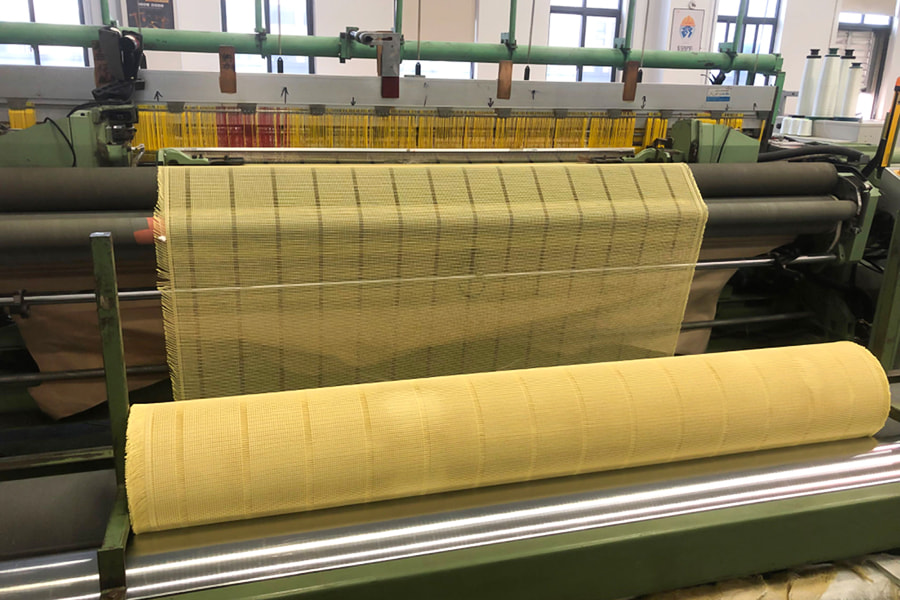
At Jiaxing Jiete New Material Co., Ltd., our factory spans 150,000 square meters and houses the complete chain: warping, sizing, weaving, and coating. The warp density is fixed on a Karl Mayer warper, the weave lock is set on Dornier rapier looms, and the coating amount is regulated by the speed of the coating line. We hold the areal weight tolerance to ±5 g/m² for standard batches and ±2 g/m² on critical specifications.
Consistency matters more than dramatic strength. A mesh that varies by 3 g/m² from batch to batch will create uneven stress distribution in the final composite, which is why manufacturers must audit their internal tolerance limits.
The areal weight and the mesh opening size together determine the crack-bridging capability. A standard 145 g/m² mesh with a 5 x 5 mm opening is sufficient for most external thermal insulation systems where the primary load is environmental expansion and contraction.
A plain weave or a leno weave with an alkali-resistant coating is the best choice. The coating provides the chemical resistance, and a closed weave holds more coating in contact with the filaments, extending service life in cementitious systems.
Yes. At Jiaxing Jiete New Material Co., Ltd., we adjust the warp/weft count and strand Tex independently before the coating stage. This means the geometry, areal weight, and coating weight are all controlled as separate variables, allowing precise custom structures.
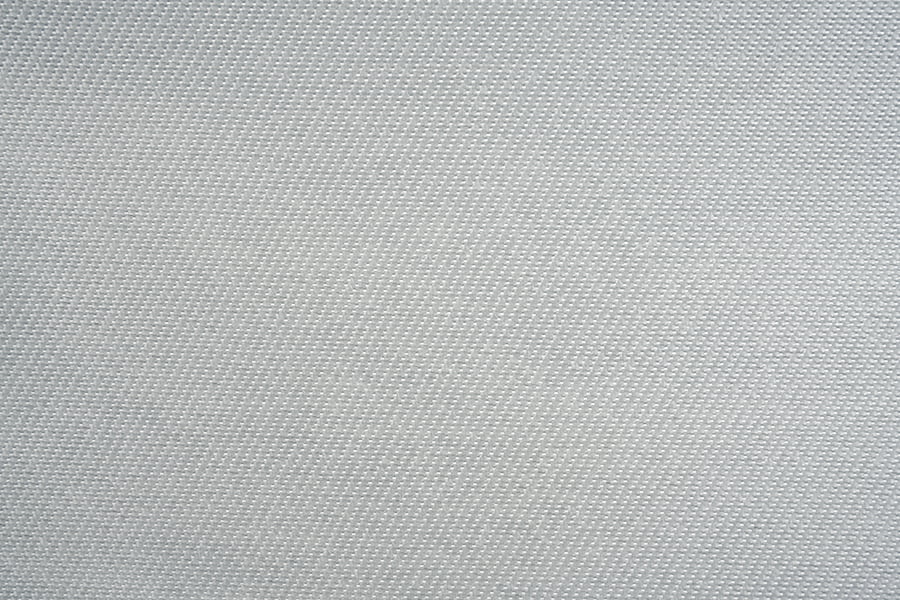
Mesh cloth has discrete openings that allow resin or mortar to pass through and lock mechanically into the substrate. Standard woven fiberglass fabric is denser and is used primarily for laminating, filtering, or as a reinforcement layer in a solid composite laminate.
Recommended Products
Copyright © 2025 Jiaxing Jiete New Material Co., Ltd. All Rights Reserved.
Wholesale Wide Width Fiberglass Cloth Roll Suppliers



 English
 中文简体