2026-07-16
Industrial manufacturers across construction, marine, automotive, aerospace, and wind energy increasingly rely on fiberglass cloth rolls as a reinforcement material because they combine mechanical strength, environmental resistance, and processing flexibility in a single fabric. This article breaks down the specific advantages that make fiberglass cloth a preferred reinforcement across so many manufacturing sectors.
Fiberglass-reinforced composites replace heavier, less versatile materials across a growing range of industrial products. The reasons come down to eight measurable performance characteristics, each of which addresses a specific manufacturing or in-service requirement.
Fiberglass reinforcement delivers high tensile strength and good impact resistance while keeping finished parts significantly lighter than equivalent metal structures. Lighter composite parts reduce transportation costs, improve energy efficiency, and lower overall material consumption across a production run.
Fiberglass composites resist moisture, saltwater, industrial chemicals, and outdoor weather exposure far better than untreated metal. This resistance translates into longer service life and reduced maintenance for equipment operating in marine environments, chemical processing plants, and water treatment systems.
Fiberglass cloth maintains structural performance under elevated operating temperatures, with low thermal expansion and flame-resistant characteristics. These properties support its use in industrial insulation, heat shields, and fire-resistant panel construction.
Glass fiber is naturally non-conductive, making fiberglass cloth a reliable insulation material for electrical equipment, electronic products, and power distribution systems where long-term electrical stability is required.
Fiberglass fabric performs well with epoxy, polyester, and vinyl ester resin systems. Proper impregnation produces strong bonding, high mechanical performance, and dimensional stability across a wide range of composite formulations.
Fiberglass cloth rolls process well under hand lay-up, vacuum infusion, resin transfer molding, compression molding, filament winding, and lamination methods, supporting both small-batch and large-scale production.
Low shrinkage and a consistent, uniform fabric structure allow manufacturers to produce components with repeatable geometry after curing, which supports high-precision part production.
Compared with many advanced reinforcement materials, fiberglass cloth balances competitive material cost with reliable mechanical performance, long service life, and straightforward processing.
The combination of strength, weight reduction, and environmental resistance makes fiberglass cloth suitable across a wide span of industrial sectors.
FRP panels, composite enclosures, and structural components use fiberglass reinforcement to improve strength while minimizing weight.
Boat hulls, yacht components, marine decks, and water tanks depend on fiberglass for water resistance and corrosion protection.
Structural reinforcement, waterproofing systems, and architectural composite panels benefit from added durability without excess weight.
Body panels, interior components, and lightweight structural parts support improved fuel efficiency and design flexibility.
Wind turbine blades and nacelle components rely on the high strength-to-weight ratio of fiberglass composites for large-scale structures.
Chemical tanks, pipes, protective covers, and insulation systems use fiberglass resistance to harsh environments for extended service life.
Traditional metal reinforcement remains common in industrial design, but it carries tradeoffs in weight, corrosion protection, and manufacturing flexibility that fiberglass composites are engineered to address.
| Feature | Fiberglass Cloth Rolls | Traditional Metal Reinforcement |
| Weight | Lightweight | Heavy |
| Corrosion Resistance | Excellent | Requires protective coatings |
| Electrical Insulation | Excellent | Conductive |
| Heat Resistance | High | Depends on material |
| Manufacturing Flexibility | Excellent for complex composite shapes | Limited for complex structures |
| Maintenance | Low | Generally higher |
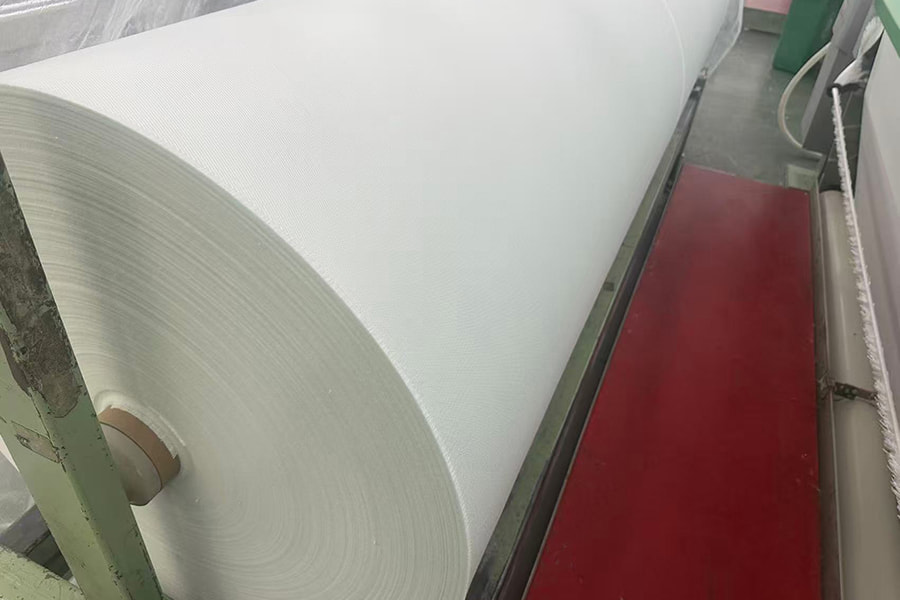
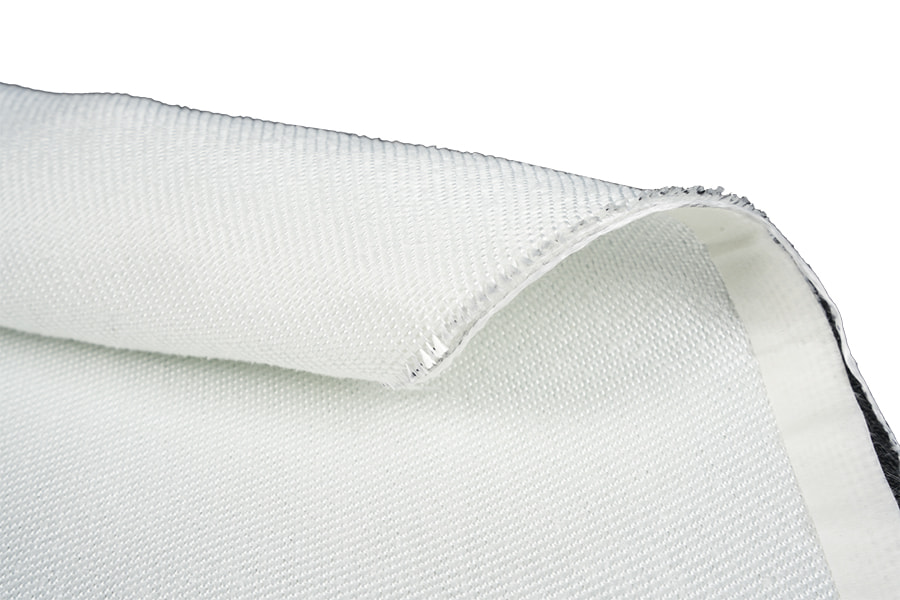
Selecting a high-quality fiberglass cloth roll requires reviewing several measurable fabric characteristics rather than relying on a single specification.
 |
 |
Composite manufacturing continues to move toward lighter fabrics that retain or improve mechanical performance, supported by advanced surface treatments that improve resin bonding and processing efficiency. Sustainable production methods are becoming a larger part of manufacturing planning, alongside growing demand for application-specific fabrics designed for wind energy, aerospace, and marine engineering.
Across every one of these trends, the core advantages of fiberglass cloth rolls remain the reason the material continues to expand into new industrial applications: a favorable strength-to-weight ratio, resistance to corrosion and heat, reliable electrical insulation, and compatibility with a wide range of manufacturing processes.
Recommended Products
Copyright © 2025 Jiaxing Jiete New Material Co., Ltd. All Rights Reserved.
Wholesale Wide Width Fiberglass Cloth Roll Suppliers



 English
 中文简体
中文简体