2026-07-09
Selecting the right fiberglass cloth rolls determines how well a composite laminate performs long after it leaves the production line. Weave pattern, fabric weight, fiber type, and resin compatibility all interact to shape mechanical strength, resin consumption, and finished surface quality. This guide walks through the technical factors that matter most when specifying fiberglass fabric for industrial composite manufacturing.
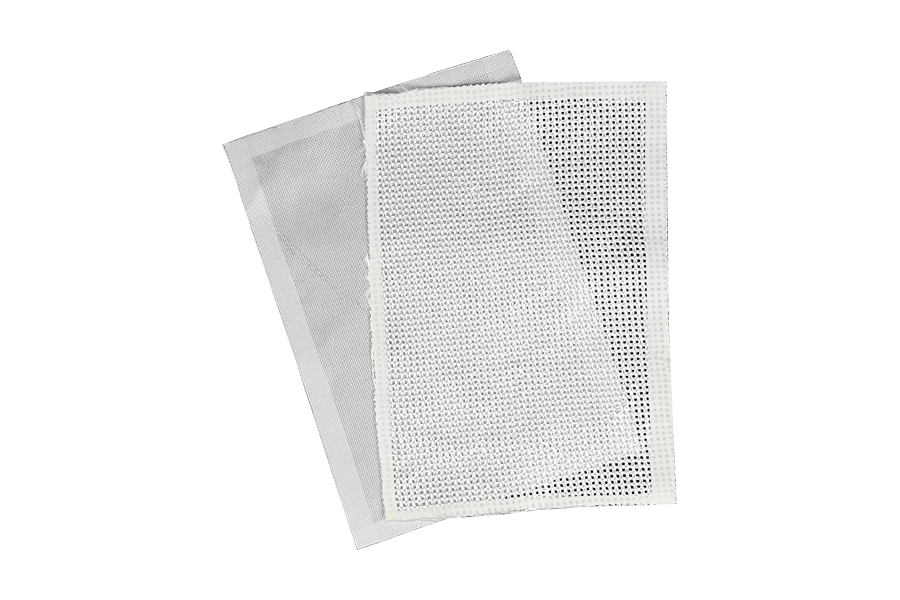
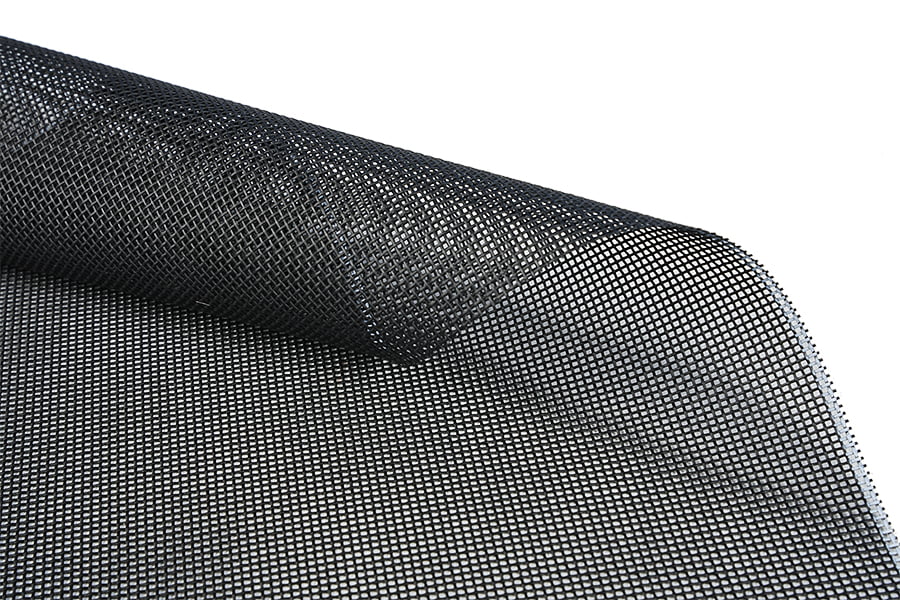
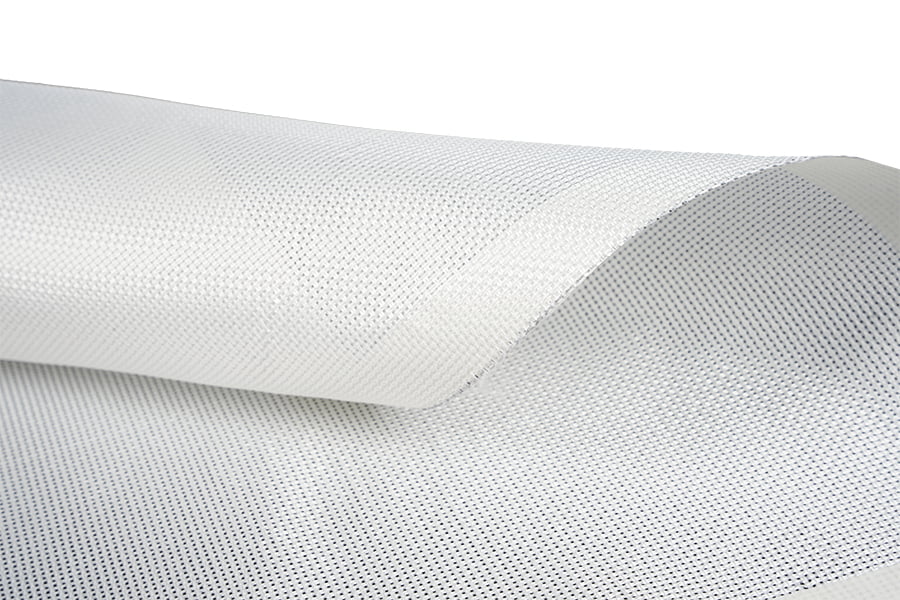
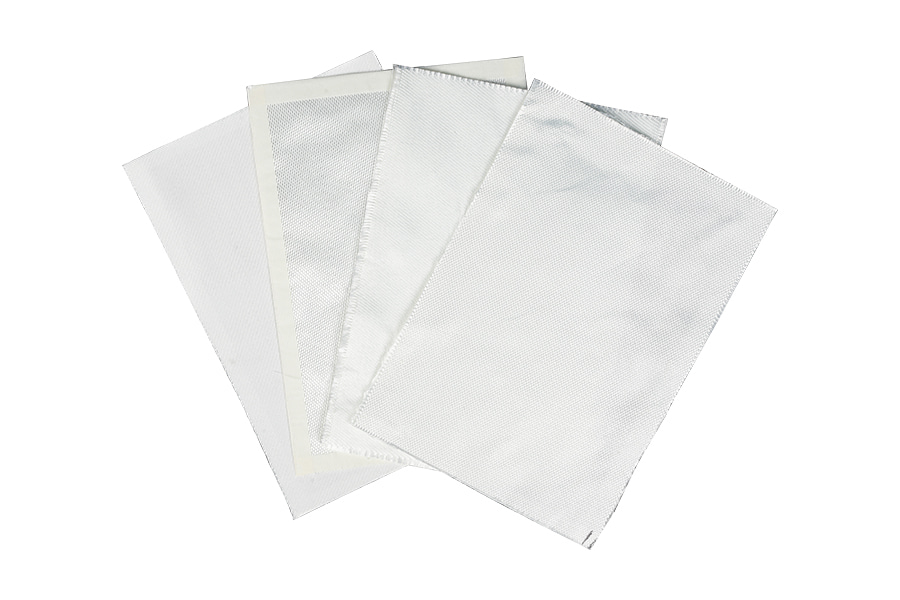
Fiberglass cloth rolls are woven fabrics constructed from continuous glass fiber yarns, supplied in roll form for straightforward storage, transport, and processing on production lines. When combined with a resin system such as epoxy, polyester, or vinyl ester, the fabric forms a composite laminate that carries structural load while resisting corrosion, moisture, and thermal stress.
Fabric construction varies by weave style, thickness, and areal weight, and each variable changes how the material behaves during lamination and in service. The sections below break down each variable in order of practical impact on manufacturing outcomes.
The fabric chosen for a composite part directly shapes four measurable outcomes: strength-to-weight ratio, resin consumption per square meter, cycle time during lay-up, and long-term durability of the cured part. A fabric mismatched to the application typically shows up as excess resin pooling, incomplete wet-out, or a laminate that falls short of its target stiffness.
Weave pattern governs how the fabric drapes over a mold surface, how evenly it distributes load, and what surface finish it produces once cured. Three weave styles cover the large majority of industrial composite applications.
Yarns interlace in a simple over-under pattern, giving balanced strength in both directions along with strong dimensional stability. The tight construction produces a smooth surface and straightforward handling during cutting and lay-up.
General panels, insulation, flat composite partsA staggered interlacing pattern gives twill fabric noticeably better drape than plain weave, allowing it to conform to curved or contoured mold surfaces without excessive wrinkling.
Marine hulls, automotive panels, molded partsLong floating yarns cross at widely spaced intervals, producing the highest conformability of the three weave types along with a smooth, low-crimp surface suited to complex tooling.
Aerospace parts, complex-shape compositesFabric weight, expressed in grams per square meter, and physical thickness together set the reinforcement level a single ply contributes to a laminate. Heavier, thicker fabrics add structural strength per ply but reduce flexibility and can slow resin penetration; lighter, thinner fabrics handle easily and finish smoothly but require more plies to reach a target thickness.
Establish the total cured thickness the part requires, since this sets how many plies of a given fabric weight will be needed.
Heavier fabric weights concentrate more glass reinforcement into fewer plies, which suits heavy-duty industrial parts with high load requirements.
Thicker fabrics slow resin flow through the fiber bundle, so processing method and resin viscosity should be reviewed alongside fabric thickness.
Lighter fabrics at the outer plies typically produce a smoother finished surface, which matters for visible or aerodynamic parts.
The standard fiber grade for industrial composites, offering strong electrical insulation, solid mechanical strength, and cost-effective supply at high volume.
A higher-performance fiber grade delivering greater tensile strength, improved impact resistance, and stronger fatigue performance under cyclic loading.
E-glass fits the majority of construction, marine, and general industrial composite work, while S-glass is reserved for applications where the added mechanical performance justifies its more specialized production process.
Fiberglass cloth is manufactured with a sizing finish that governs how well it bonds with a given resin chemistry. Epoxy, polyester, and vinyl ester each interact differently with the fiber surface, and matching the sizing to the resin system directly affects wet-out speed and bond strength.
| Resin System | Wet-Out Behavior | Typical Use |
| Epoxy | Slow, thorough penetration | High-performance structural parts |
| Polyester | Fast wet-out, lower viscosity | General industrial and marine parts |
| Vinyl Ester | Moderate wet-out, strong chemical resistance | Corrosive-environment equipment |
Industrial composite parts frequently operate under elevated temperature or in contact with corrosive substances. Fiberglass reinforcement contributes thermal stability and chemical resistance to the finished laminate, but the resin system and surface treatment must be specified to match the actual service environment.
Beyond the fabric itself, the physical roll format affects how efficiently material moves through a production line. Roll width, roll length, core diameter, and packaging method should all be reviewed against existing equipment and layout requirements to minimize material waste and handling time.
FRP panels, structural composite components, and protective covers rely on fiberglass reinforcement for a favorable strength-to-weight ratio.
Boat hulls, deck structures, and marine tanks use fiberglass composites for corrosion resistance and long service life in constant water contact.
Structural reinforcement, waterproofing systems, and composite building panels benefit from added stability without a significant weight increase.
Body panels and lightweight structural parts use fiberglass composites to support fuel efficiency and design flexibility goals.
Wind turbine blades and large structural components depend on the combination of high strength and low weight that fiberglass composites provide.
Consistent fabric quality depends on controlled weaving processes and systematic inspection at every production stage. Reliable fiberglass cloth manufacturing includes verification of fabric weight, thickness, tensile strength, surface quality, and dimensional consistency before a roll leaves the production line.
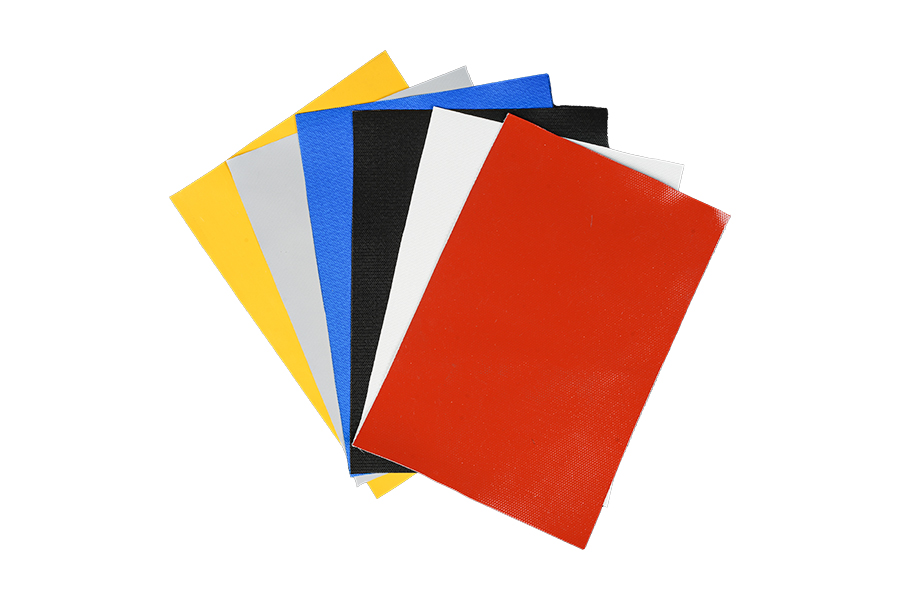
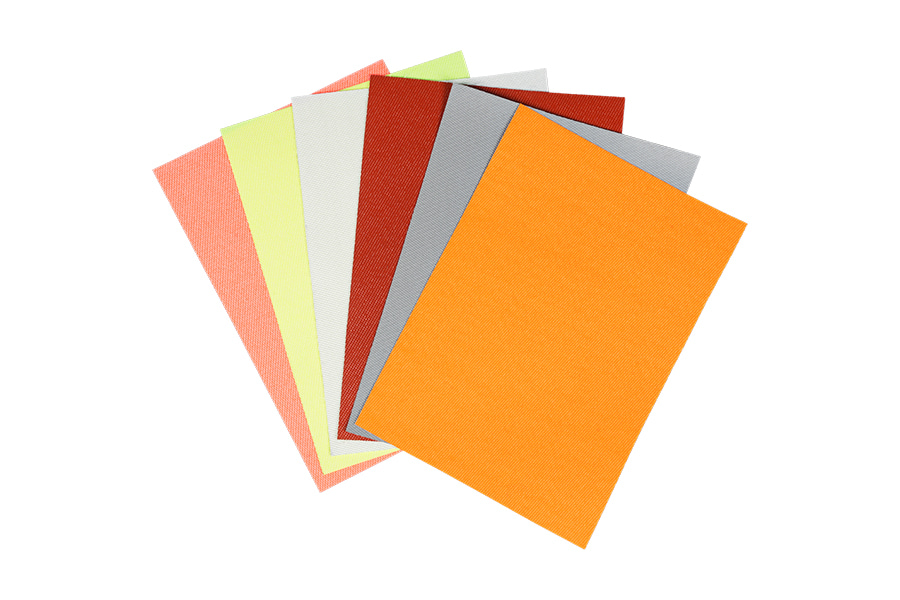
Customization capability also matters for production planning. Support for custom widths, multiple weave patterns, varied fabric weights, and specialized surface treatments allows a single fabric source to serve a wider range of composite manufacturing needs without introducing inconsistency between suppliers.
Composite manufacturing continues to push toward lighter fabrics that retain or improve structural strength, alongside sizing chemistries engineered for faster resin wet-out and stronger bonding. Application-specific fabrics tailored to wind energy, marine engineering, and automotive production are becoming more common as manufacturers look to match reinforcement properties more precisely to end-use conditions.
Choosing fiberglass cloth rolls with the correct weave, weight, fiber type, and resin compatibility for a given application remains the foundation of reliable composite manufacturing, from general industrial panels through to demanding aerospace and wind energy structures.
 |
 |
They serve as reinforcement materials in composite products across construction, marine, automotive, aerospace, and general industrial manufacturing.
Plain weave suits flat panels needing balanced strength, twill weave suits curved or contoured parts, and satin weave suits complex shapes requiring maximum conformability.
Fabric weight sets how much reinforcement a single ply contributes, which affects resin consumption, total laminate weight, and final structural performance.
Yes, custom widths, weights, weave patterns, and surface treatments can be produced to match specific production requirements.
Recommended Products
Copyright © 2025 Jiaxing Jiete New Material Co., Ltd. All Rights Reserved.
Wholesale Wide Width Fiberglass Cloth Roll Suppliers



 English
 中文简体
中文简体