2026-09-09
An annealing oven running at 180°C with a control cabinet only 80 mm from the heat source is a familiar layout in metal-processing plants — and a specification that destroys most commodity coated fabrics within weeks. Silicone coated fiberglass fabric handles that job with two engineered layers: a woven glass substrate that holds its dimension up to 550°C, and a silicone skin that resists flame, seals out moisture, and stays flexible under continuous heat. This guide covers the material's real performance data, its main heat insulation applications, and the specification sequence to use when buying.
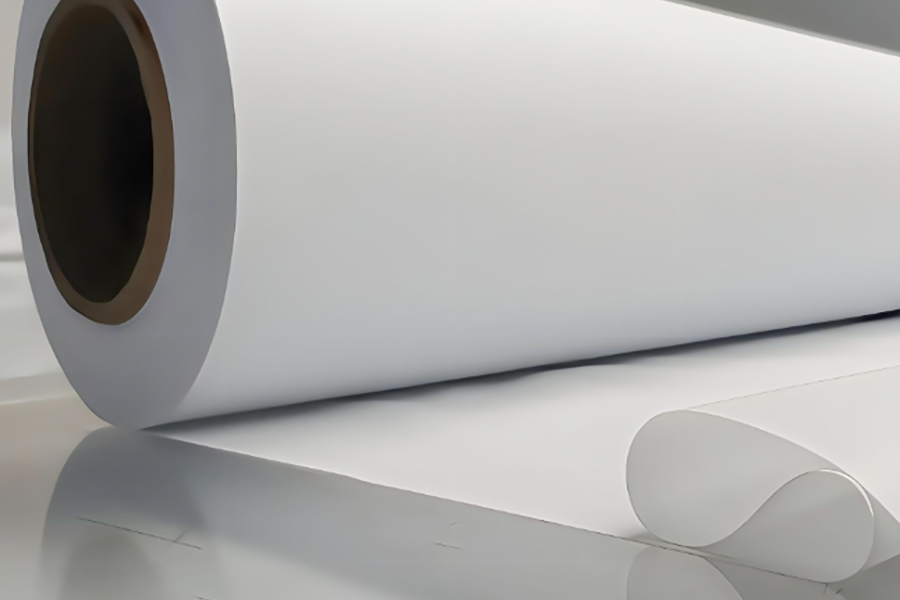
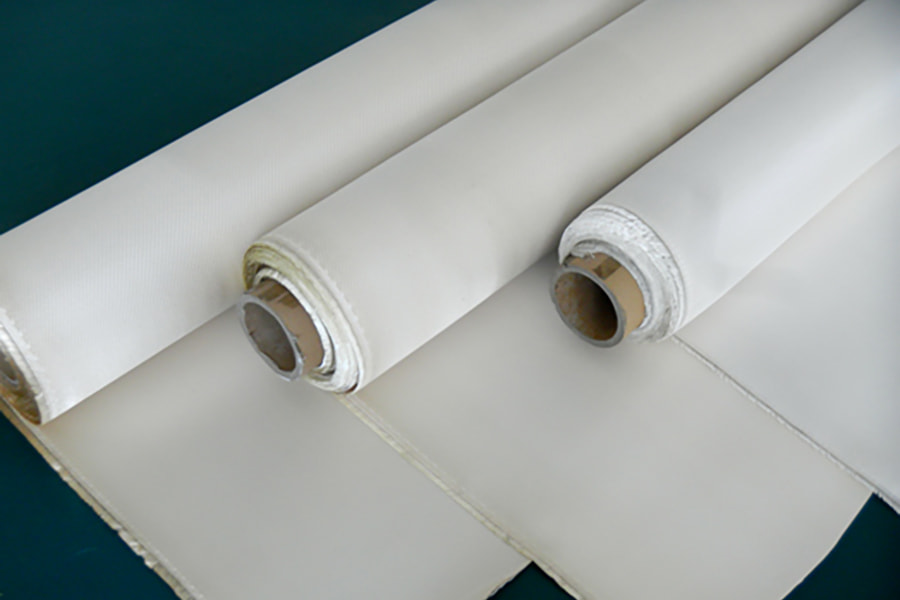
Silicone coated fiberglass fabric is a woven glass cloth coated on one or both sides with a cured silicone rubber layer, producing a flexible sheet that blocks radiant heat, self-extinguishes, and keeps its dimensions at continuous service temperatures up to 260°C.
Core definition: silicone coated fiberglass fabric (also called silicone-coated fibreglass cloth) is a composite of a woven E-glass substrate and a silicone polymer skin. The glass core delivers tensile strength and dimensional stability; the silicone surface provides flame resistance, dielectric insulation, and a sealed barrier against moisture and dirt.
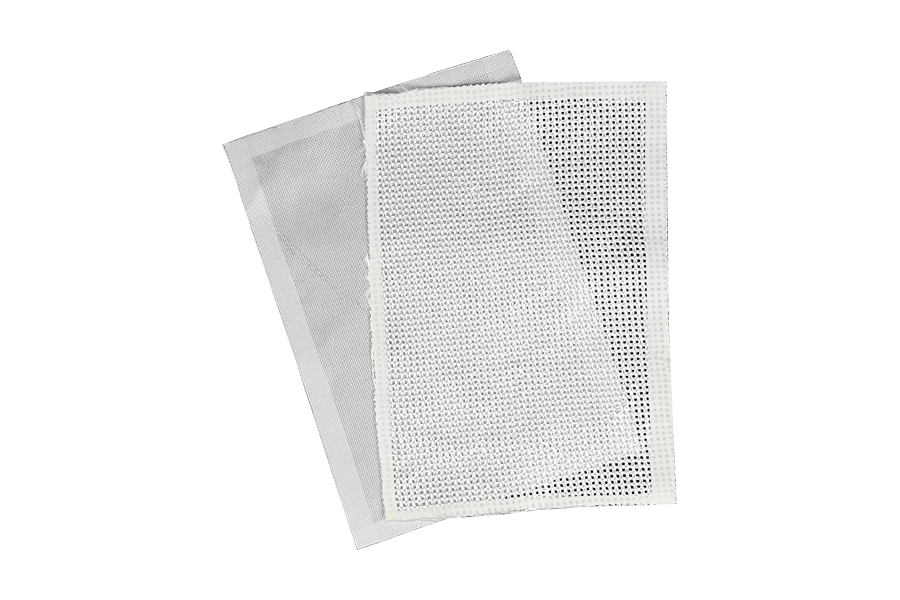
E-glass is the standard substrate, woven in plain, twill, or satin construction. Plain weave gives the tightest surface for coating; twill drapes better around ducts and bends; satin weave suits folding fire blankets. Typical base weights run from 170 g/m² (5 oz/yd²) for lightweight curtains to 1000 g/m² (30 oz/yd²) for heavy insulation pads.
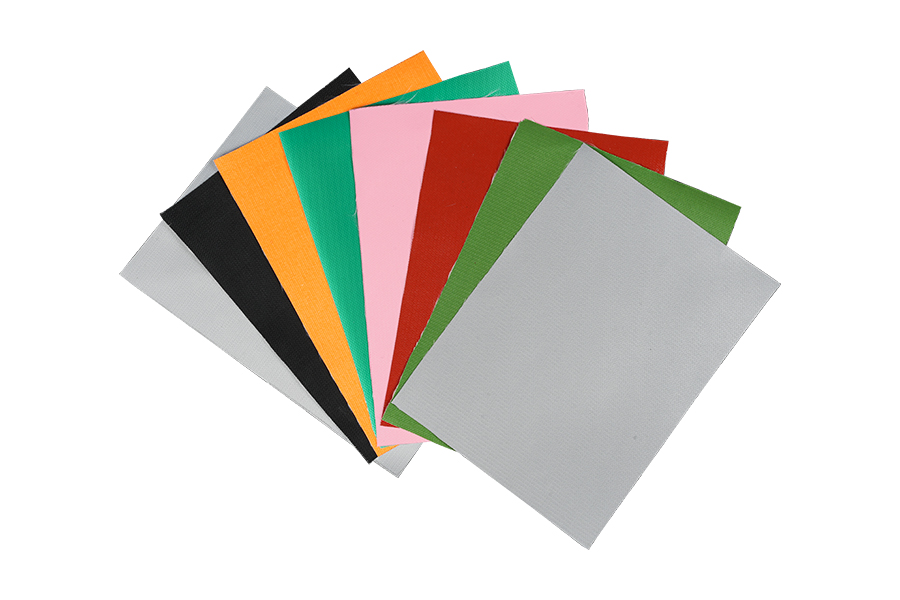
Knife coating or calendering builds the silicone film in multiple passes until the target thickness is reached. Single-side coating is sufficient for stationary heat shields; double-side coating is specified when both faces will face moisture, splash, or abrasion. UV-stabilised grades are available for daylight exposure.
Field rule: for a radiant guard sitting close to a 200-260°C source, specify at least 0.5 mm total thickness with double-side silicone coating. Below 200°C, a single-side 0.3-0.4 mm fabric typically delivers the same protection at noticeably lower cost.
The governing number for insulation duty is continuous service temperature, and silicone coated fiberglass holds 260°C continuously with intermittent peaks to 300°C while staying flexible down to approximately -70°C — a combined window that neither PVC nor acrylic coatings can approach.
Because the coating carries the thermal barrier function, coating thickness matters more than base fabric weight alone. A 0.5 mm double-side coated fabric blocks radiant heat measurably better than the same cloth with a thin flash coat, even though both datasheets read "silicone coated".
Contract tip: write the requirement as "continuous surface temperature" plus "maximum peak temperature and duration". A fabric rated for 260°C continuous will survive a 300°C peak for minutes, but it will fail early if that peak becomes normal operation.
Silicone coated fiberglass is the strongest default for heat insulation because it balances 260°C heat resistance, self-extinguishing behaviour, high dielectric strength, and realistic cost; PTFE becomes necessary only when chemical inertness, food-contact release, or solvent exposure is part of the specification.
| Property | Silicone | PTFE | PVC | Uncoated glass |
| Continuous service temp | 260°C | 260°C | 70-80°C | 550°C |
| Intermittent peak | 300°C | 300°C | 100°C | 600°C |
| Flame behaviour | Self-extinguishing | Self-extinguishing | Melts and drips | Non-combustible |
| Dielectric strength | High | High | Moderate | Low when humid |
| Chemical resistance | Good with oils, mild acids | Excellent, near-inert | Moderate | Poor with moisture |
| Relative cost index (silicone = 1.0) | 1.0 | 1.7-2.0 | 0.5-0.6 | 0.3 |
Decision rule: for general heat insulation work, silicone beats PTFE on cost, flexibility, and dielectric performance. PTFE justifies its 70-100% premium only when release, inertness, or food-contact requirements dominate.
Four application groups cover nearly every silicone coated fiberglass heat insulation job: fire suppression, machinery heat shielding, flexible thermal wrapping, and hot-product conveying.
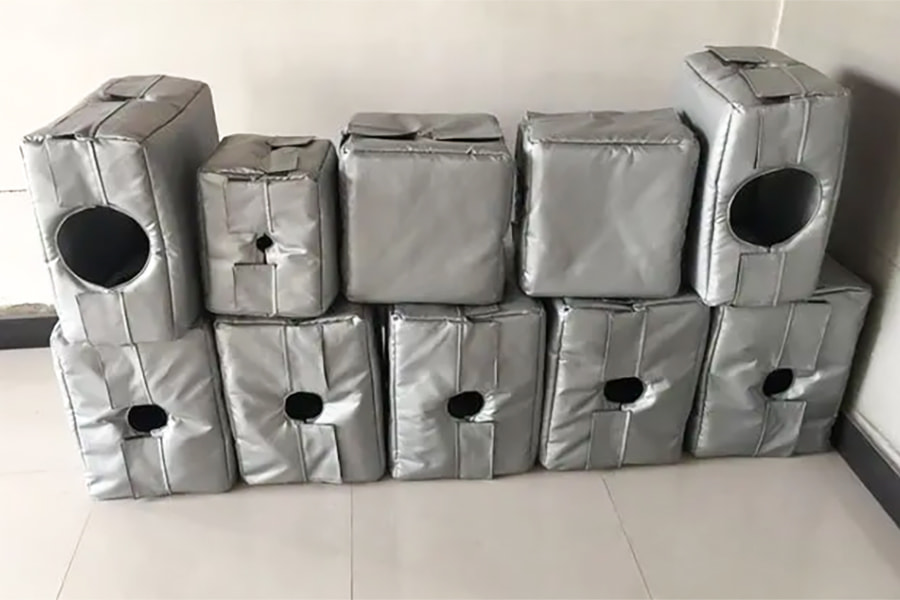
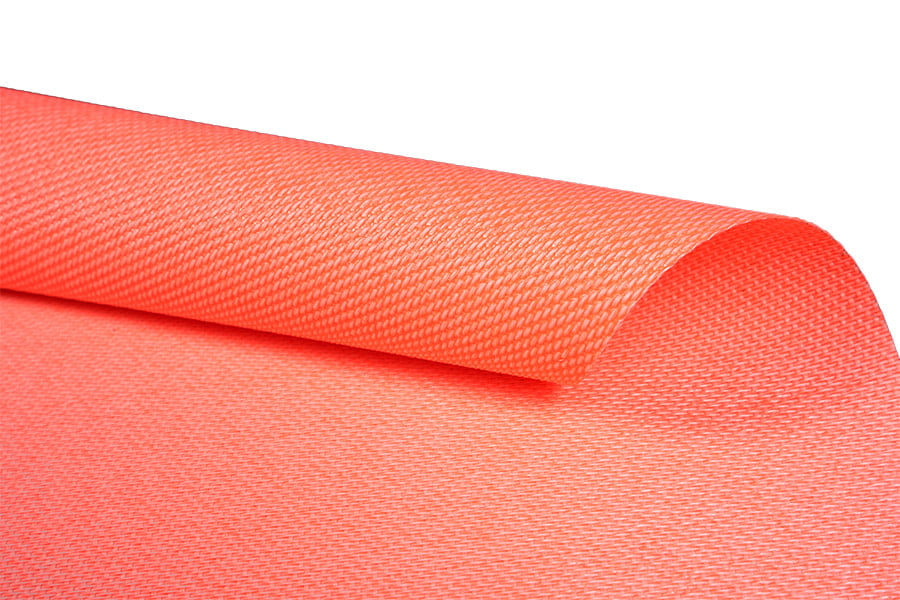 Wholesale Non-toxic silicone fire blanket - High temperature resistant fire suppJiaxing Jiete New Material Co., Ltd China Wholesale Non-toxic silicone fire blanket - High temperature resistant fire suppression mat Sup...View Product →. Unlike rigid ceramic slabs, the industrial fireproof fiberglass fabric route keeps the shield thin, flexible, and simple to cut on site.Wholesale Heat-resistant and high-temperature non-stick silicone conveyor belt SJiaxing Jiete New Material Co., Ltd China Wholesale Heat-resistant and high-temperature non-stick silicone conveyor belt Suppliers and Ex...View Product →.
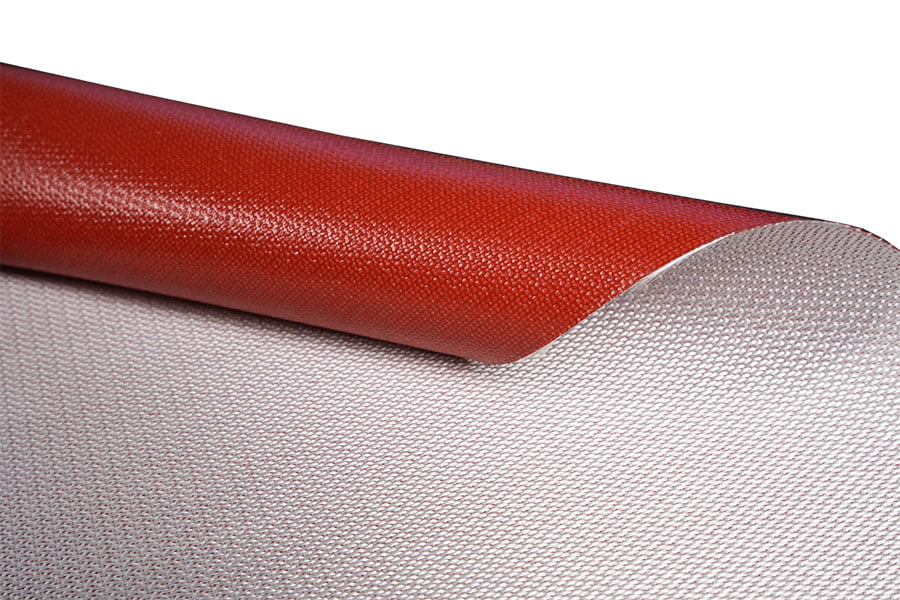 Wholesale High temperature resistant, flame retardant, corrosion resistant silicJiaxing Jiete New Material Co., Ltd China Wholesale High temperature resistant, flame retardant, corrosion resistant silicone insulation ...View Product → is the standard choice here because it combines 260°C resistance with a dielectric barrier in electrical compartments.
Field note: in oven curtains, overlap panels by at least 50 mm and weight the bottom edge. Silicone coated glass holds its shape well, but edge flutter is the most common reason a curtain fails early.
Lock the specification in this order — continuous temperature, peak temperature and duration, base weight, coating sides and thickness, width, certification — before comparing prices, because each variable changes manufacturing cost significantly.
Buying rule: request a 1 m sample and test it at your real operating temperature before committing to a full roll. Silicone compounds vary between suppliers, and a 20°C margin can separate a belt that lasts two years from one that fails in six months.
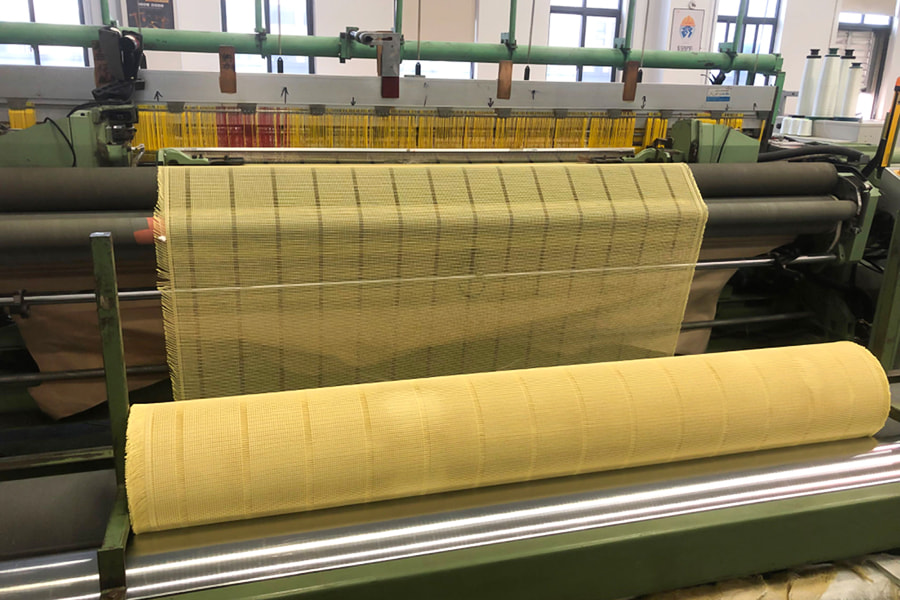
A manufacturer with in-house weaving and coating — such as Jiaxing Jiete New Material Co., Ltd., which runs warping, weaving, and coating lines under one roof — can hold coating weight and weave consistency far more tightly than a trader or a job-shop coater.
Standard silicone coated fiberglass fabric is rated for continuous service at 260°C, with intermittent peaks up to 300°C for short periods. The glass substrate alone withstands 550°C, but the silicone coating degrades above its continuous rating, so the coating defines the practical limit.
It is flame-retardant, not fireproof in the absolute sense. Glass fibre does not burn, and the silicone layer self-extinguishes once the flame source is removed. The exact classification depends on the coating formulation and the standard it is tested against.
Choose silicone when cost, flexibility, dielectric strength, and adhesion to the glass base matter more than chemical inertness or food-contact release. Choose PTFE when the fabric will face strong acids, chlorinated solvents, or continuous release requirements above 260°C.
Yes, when the coating is a UV-stabilised grade. The fabric resists rain and UV for years if the cut edges are sealed and mounting allows water drainage. Prolonged water immersion or direct steam contact is outside the normal specification range.
Recommended Products
Copyright © 2025 Jiaxing Jiete New Material Co., Ltd. All Rights Reserved.
Wholesale Wide Width Fiberglass Cloth Roll Suppliers



 English
 中文简体
中文简体