2026-09-16
When a food-processing plant needs a conveyor belt that survives 220°C without releasing lubricants or sticking residues, the engineering team specifies silicone coated fiberglass fabric. The same material family shields welding bays from molten sparks, insulates live electrical equipment, and forms watertight outdoor covers. This guide explains how the composite is made, where it delivers the most value across fire protection, continuous processing, and architectural applications, and how to select a grade with confidence.
Silicone coated fiberglass fabric is a composite textile formed by bonding a cured silicone rubber layer to one or both sides of a woven E-glass substrate. The glass cloth carries the tensile load and provides dimensional stability; the silicone contributes sealing, dielectric protection, and a non-stick finish.
Definition: Silicone coated fiberglass fabric is a two-layer composite in which a woven fiberglass base cloth is coated with silicone rubber (polysiloxane) and heat-cured to form a continuous, flexible, temperature-resistant membrane.
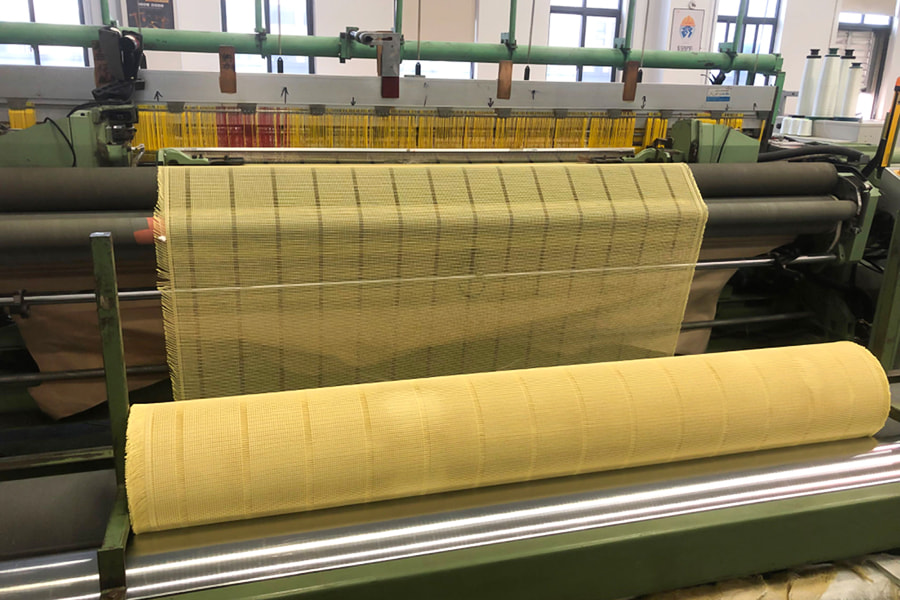
The base cloth is typically a plain or twill weave of continuous E-glass filaments. Depending on the grade, fabric weight ranges from about 100 g/m² for lightweight membrane grades to more than 2000 g/m² for heavy industrial blankets. Coating is applied by knife-over-roll or dip-coating, then cured in a continuous oven to create a uniform, pinhole-free layer.
Five properties drive most specification decisions:
Thickness, glass yarn count, and coating weight all shift the mechanical and electrical behaviour of the finished fabric. The ranges below represent standard industrial grades.
| Grade | Thickness (mm) | Weight (g/m²) | Continuous temp (°C) | Common use |
| Light membrane | 0.08-0.15 | 100-210 | -70 to +200 | Insulation wraps, flexible ducts |
| Standard industrial | 0.25-0.50 | 350-700 | -70 to +260 | Conveyor belts, protective curtains |
| Heavy blanket | 0.80-1.50 | 1200-2000 | -70 to +260 | Fire blankets, welding protection |
| Ultra-heavy protection | 2.00-5.00 | 2800-5000 | -70 to +260 | Insulation pads, furnace curtains |
Continuous service temperature is the first filter when selecting a coated glass fabric. The chart below positions silicone against PTFE, PU, and PVC coated grades.
Continuous service temperature range of coated glass fabrics (°C)
Silicone coated fiberglass fabric is the standard textile for reusable fire blankets and welding protection because the glass reinforcement stays intact under direct flame while the coating forms a non-flammable silica ash rather than melting or dripping.
Heavy-grade fabrics of 0.8 mm and above are cut and sewn into fire blankets used to smother small fires, wrap hot equipment, and block sparks in welding bays. The combination of woven glass and cured silicone gives the blanket enough drapability to conform around irregular geometries while staying impermeable to water and oils. Typical heavy blankets withstand continuous radiant heat above 500°C and direct flame contact for short periods without burn-through.
Lithium-ion battery fires are a growing use case: suppression mats made from this fabric contain thermal runaway events by smothering the cell and preventing flame spread while the glass layer resists the high-temperature jet from a venting cell. For a wider view of heat-resistant glass fabric options, see our analysis of fireproof fiberglass fabric applications.
At Jiaxing Jiete New Material Co., Ltd., the production programme includes a non-toxic silicone fire blanket and fire suppression mat series, manufactured from yarn to finished mat across in-house warping, weaving, and coating lines. Sizes can be customised for welding protection, furnace maintenance, and battery storage areas.
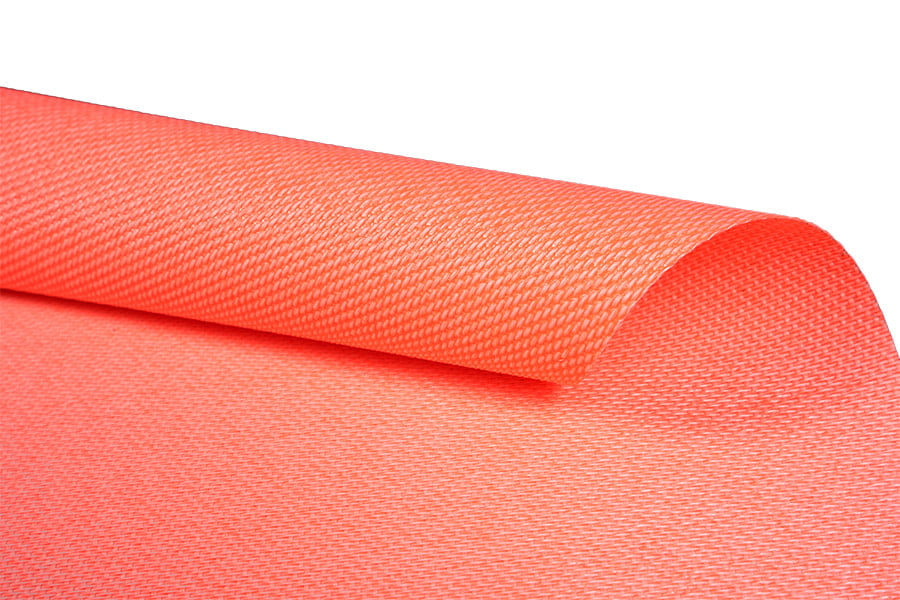 Wholesale Non-toxic silicone fire blanket - High temperature resistant fire suppJiaxing Jiete New Material Co., Ltd China Wholesale Non-toxic silicone fire blanket - High temperature resistant fire suppression mat Sup...View Product →
Silicone coated glass conveyor belts are specified in continuous processing lines wherever product surface temperatures exceed 150°C or where release agents cannot be used.
The non-stick silicone surface releases baked goods, cured rubber profiles, and heat-sealed films without applying flour, oil, or chemical release coatings. This eliminates a recurring contamination source and reduces line cleaning downtime. In food baking, silicone glass belts run at surface temperatures of 180-230°C, a range where rubber belts fail within weeks and PU belts char within days.
Processing advantage: Because the silicone layer is fully cured and contains no plasticisers, the belt surface does not outgas or stain products at operating temperature. Lines can run continuously for up to 12 months between belt replacements in moderate-duty baking service.
The same construction serves heat-sealing platens, resin-curing conveyors, and non-stick liners for laminate presses. Jiete manufactures a dedicated heat-resistant, high-temperature non-stick silicone conveyor belt with splicable endless options for OEM integration.
Wholesale Heat-resistant and high-temperature non-stick silicone conveyor belt SJiaxing Jiete New Material Co., Ltd China Wholesale Heat-resistant and high-temperature non-stick silicone conveyor belt Suppliers and Ex...View Product →For outdoor covers and tensile membranes, silicone coated glass fabric delivers a watertight, UV-stable membrane with a service life of 10-15 years in moderate climates.
Compared with PVC coated fabrics, silicone grades remain flexible at -40°C, preventing cracking in cold-chain logistics yards and mountain-site installations. Compared with PTFE membranes, silicone coated glass costs less while still meeting fire classifications for many tensile structures. Typical uses include tarpaulins for industrial storage, truck covers, awnings for loading docks, and temporary event canopies.
Weathering characteristic: The silicone surface is hydrophobic, so rainwater beads and runs off instead of soaking into the weave. UV exposure degrades the coating surface slowly, and the fabric retains more than 70% of its initial tensile strength after 10 years of outdoor exposure in moderate climates.
Weight per square metre matters in membrane projects: a 0.15 mm silicone glass membrane weighs around 210 g/m², roughly one third of a comparable PVC tarpaulin, which reduces structural steel and installation labour in canopy projects. Jiete's UV-resistant, waterproof silicone tarpaulin for outdoor use is produced in widths up to 3 metres with welded seams upon request.
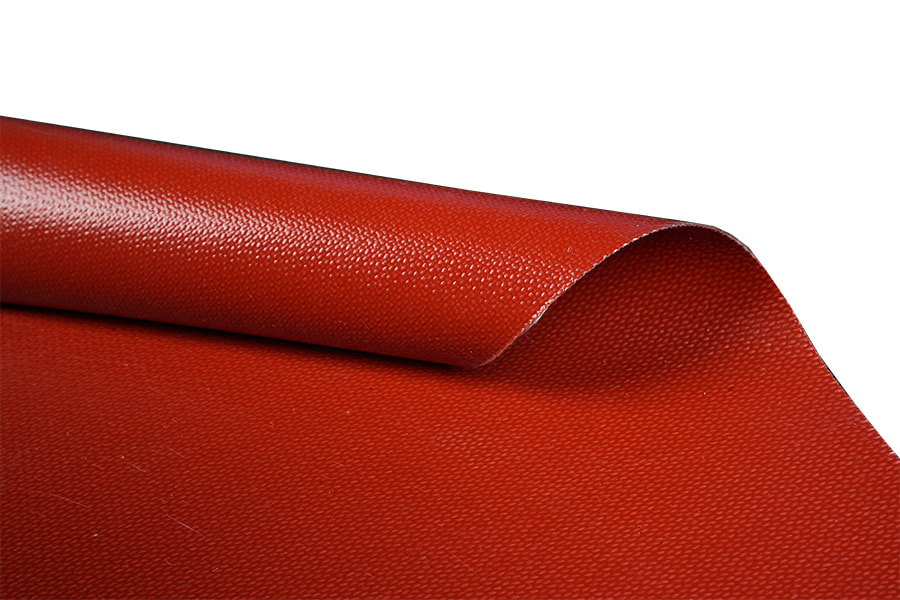 Wholesale UV resistant waterproof silicone tarpaulin - for outdoor use SupplierJiaxing Jiete New Material Co., Ltd China Wholesale UV resistant waterproof silicone tarpaulin - for outdoor use Suppliers and Exporter,...View Product →
Select the right grade by evaluating four variables: maximum continuous temperature, mechanical loading, chemical exposure, and installation geometry.
Start with temperature. If the service temperature never exceeds 200°C, a light membrane grade is sufficient and costs less. Above 200°C, specify a standard or heavy grade with a higher coating weight to protect the glass from abrasion. For intermittent peaks above 300°C, the silicone will gradually oxidise, so factor in a replacement schedule.
Single-sided coating
Lower cost and lighter weight. Use where only one face contacts heat or product, such as insulation wraps and heat shielding panels.
Double-sided coating
Seals both surfaces and improves chemical resistance and handling durability. Specify for conveyor belts, fire blankets, and outdoor membranes.
Two further checks complete the decision. First, confirm the coated fabric weight and yarn construction on the manufacturer's spec sheet; a heavier twill weave resists puncture better than a plain weave at the same coating weight. Second, check whether the application requires compliance documents such as flame-retardant test reports or food-contact declarations. The selection logic is similar to what we describe in our overview of special functional fiberglass fabric specifications, and distinct from PVC grades, which are covered in a separate analysis of PVC coated fiberglass fabric.
Before ordering, confirm three figures with your supplier: continuous temperature rating, coated weight per square metre, and roll width. Request a sample swatch and test for drapability, coating adhesion, and edge fraying before committing to a production batch.
Yes, when the specific silicone formulation meets food-contact regulations such as FDA 21 CFR 177.2600 or EU 1935/2004. Many baking belt and release sheet grades use platinum-cured silicone with no plasticiser additives. Always request the manufacturer's compliance documentation before use.
The continuous rating is -70°C to +260°C for standard grades. Most fabrics tolerate short peaks to 300°C. The glass substrate remains structurally useful above 300°C, but the silicone coating progressively oxidises and loses flexibility, so replacement intervals should be calculated based on peak frequency.
Both share a similar continuous temperature range. PTFE offers lower friction and broader chemical resistance but typically costs two to three times more per square metre. Silicone is more flexible at low temperature, easier to bond or splice, and provides higher dielectric strength.
Wipe with warm water and mild detergent using a soft brush. Avoid abrasive pads and strong solvents that attack silicone. For baking belts and release liners, steam cleaning or food-safe degreasers restore the non-stick surface without damaging the coating.
Recommended Products
Copyright © 2025 Jiaxing Jiete New Material Co., Ltd. All Rights Reserved.
Wholesale Wide Width Fiberglass Cloth Roll Suppliers



 English
 中文简体
中文简体