2026-09-02
A firewall blanket on a twin-engine commercial aircraft must survive a 1093 °C oil-burner flame for five minutes without letting fire through, while still weighing less than 1.5 kg per square meter. Silicone coated fiberglass fabric is one of the few materials that clears both barriers, which is why it appears in engine nacelles, auxiliary power unit (APU) compartments, cargo liners and bleed-air duct wraps across commercial and military platforms.
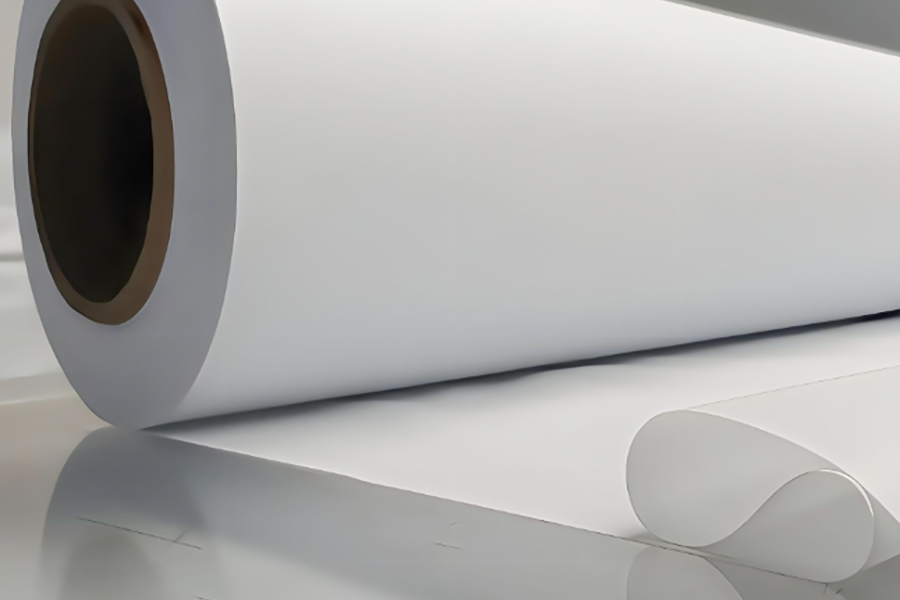
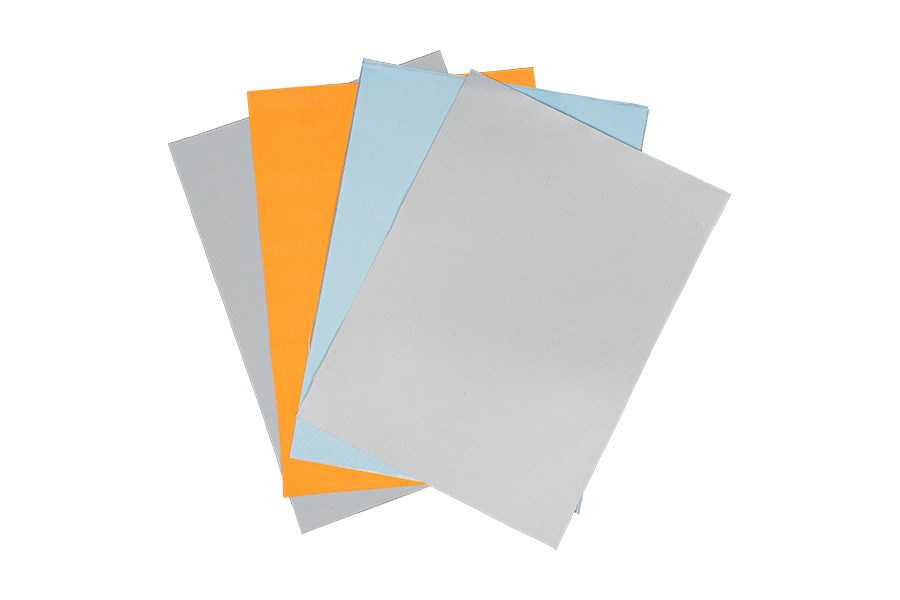
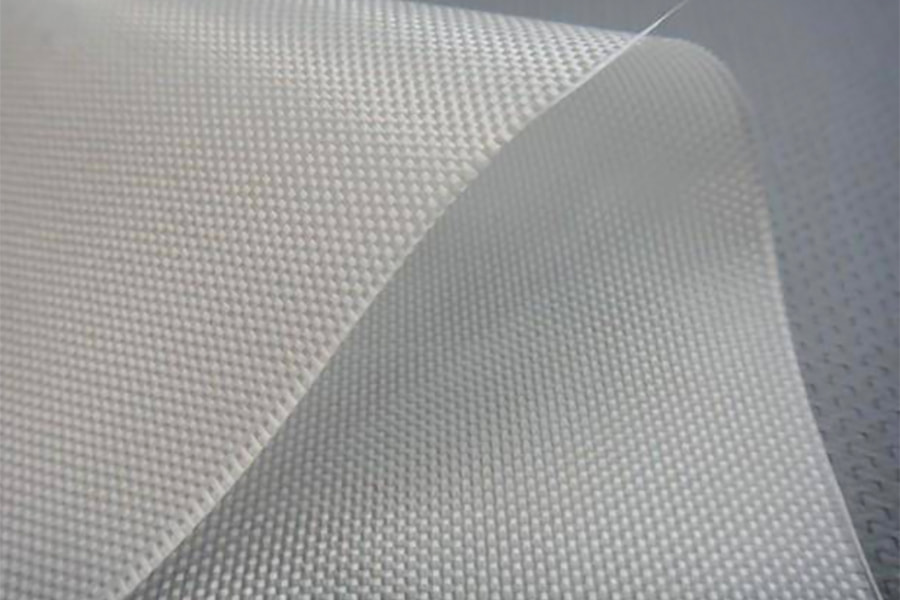
Silicone coated fiberglass fabric is a woven electrical-grade glass (E-glass) substrate coated with cured silicone rubber. The glass carries the mechanical load; the silicone supplies flexibility, sealing and flame resistance. The result is a flexible sheet that blocks flame and gas, stays dimensionally stable from about -60 °C to 260 °C and above, and wraps around curved surfaces that rigid panels cannot cover.
Aerospace engineers select silicone coated fiberglass fabric because it combines fire resistance, low weight and long-term thermal stability in one conformable sheet. Few flexible textiles can be routed around ducts and brackets, then survive a 1093 °C burn-through test. Silicone coated fiberglass does, at roughly one-third the areal weight of a metallic fire shield, and that weight saving directly reduces fuel burn when repeated across the fuselage and nacelles.
Definition: silicone coated fiberglass fabric is a woven glass textile impregnated and cured with silicone rubber to form a low-porosity, flexible barrier that resists heat, flame and fluid exposure while carrying mechanical loads.
The specifications that decide an aerospace buy are continuous temperature rating, areal weight, tensile strength, dielectric strength and fluid-compatibility margins. Industrial datasheets look similar at first glance, but aerospace programs audit the details: coating weight per unit area, adhesion after crease-flex cycling, and burn-test evidence from the finished laminate.
| Property | Typical aerospace grade | Why it matters |
| Continuous service temperature | 260 °C (reinforced grades: 315 °C) | Nacelle, APU and bleed-air zones |
| Intermittent peak exposure | 315-343 °C | Short-duration fault or afterburn spikes |
| Areal weight | 0.4-1.6 kg/m2 | Fuselage weight budget and blanket handling |
| Tensile strength, warp direction | 2000-4000 N/50 mm | Vibration loads and seam integrity |
| Dielectric strength | 10-20 kV/mm | Wire harness and sensor insulation |
| Fluid resistance | Stable in jet fuel, phosphate-ester fluids, turbine oils | Engine and hydraulic bay leakage zones |
For a broader comparison of coated constructions, our guide to special functional fiberglass fabric specifications covers the typical uses and tolerance ranges of each coating type.
Silicone coated fiberglass fabric is used wherever an aircraft needs a flexible thermal and fire barrier: insulation blankets, fire containment wraps, pneumatic duct insulation and lightweight heat shields.
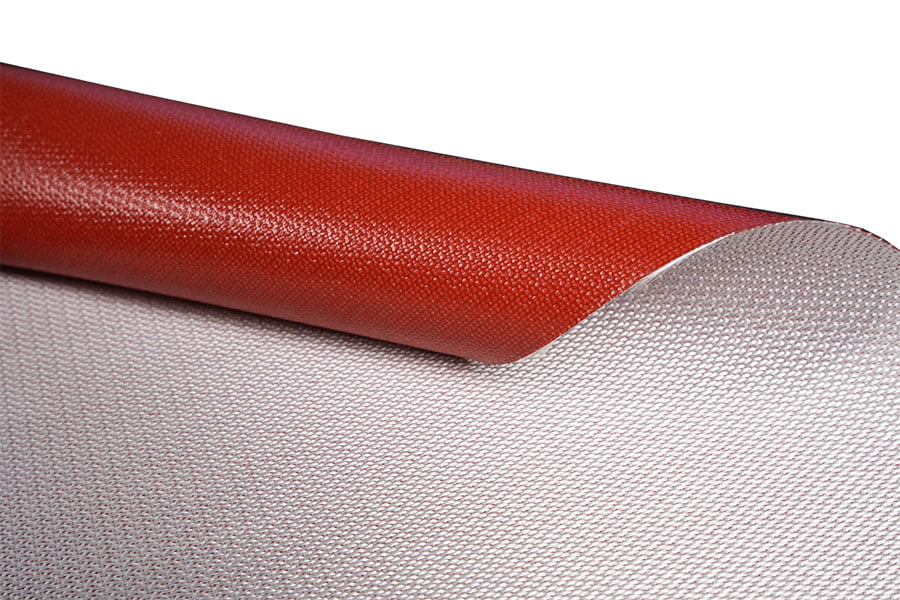 Wholesale High temperature resistant, flame retardant, corrosion resistant silicJiaxing Jiete New Material Co., Ltd China Wholesale High temperature resistant, flame retardant, corrosion resistant silicone insulation ...View Product → as the outer facing, where it protects acoustic batting from oil mist and heat.
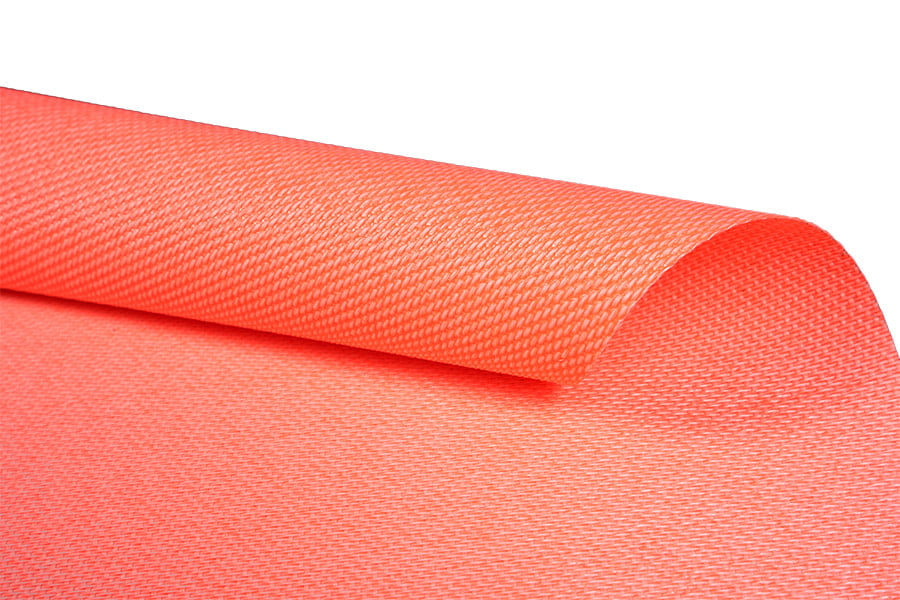 Wholesale Non-toxic silicone fire blanket - High temperature resistant fire suppJiaxing Jiete New Material Co., Ltd China Wholesale Non-toxic silicone fire blanket - High temperature resistant fire suppression mat Sup...View Product → that can be deployed quickly and packed flat between flights.
The chart below compares typical continuous temperature ratings for the fabrics most often specified in these blanket and wrap systems. Silicone coated fiberglass sits above aramid and polytetrafluoroethylene (PTFE) coated constructions, while high-silica glass remains the reference for extreme exposure.
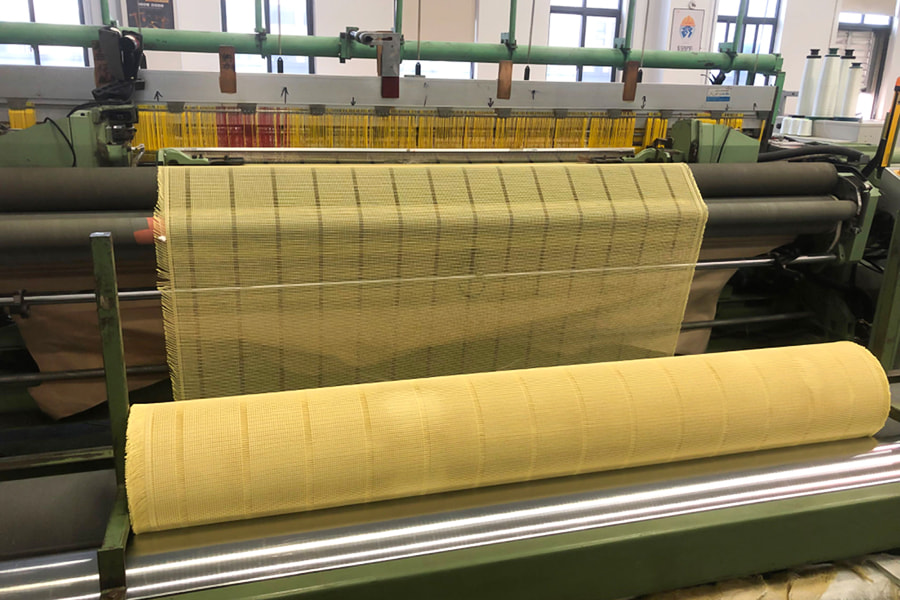
The right supplier for aerospace-grade silicone coated fiberglass is a manufacturer that controls both weaving and coating, because coating adhesion and weave consistency are inseparable. Jiaxing Jiete New Material Co., Ltd. runs an integrated line from warping, sizing and weaving to coating, with roughly 200 production machines inside a 150,000 m2 plant. That internal chain lets buyers lock coating weight, width, color and scrim construction to a single production batch.
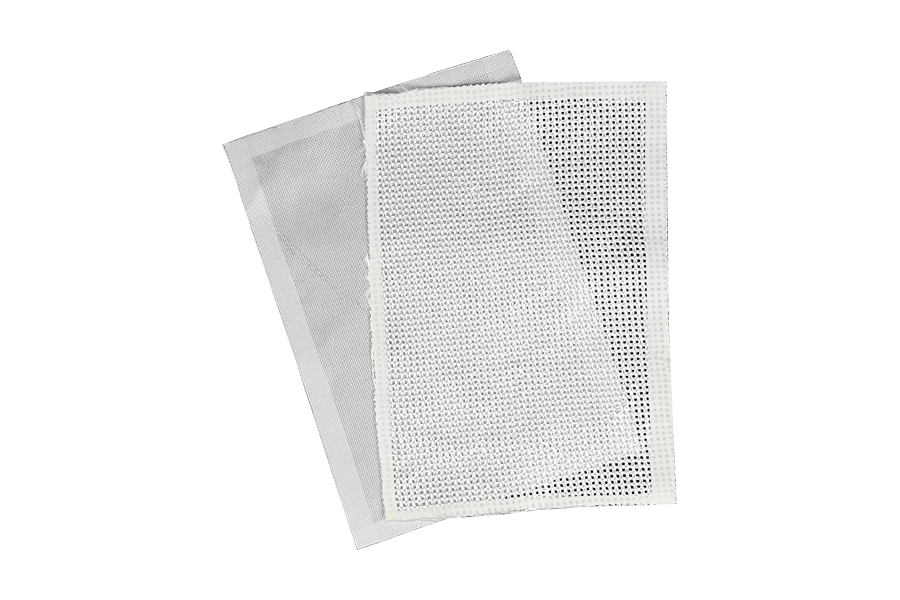
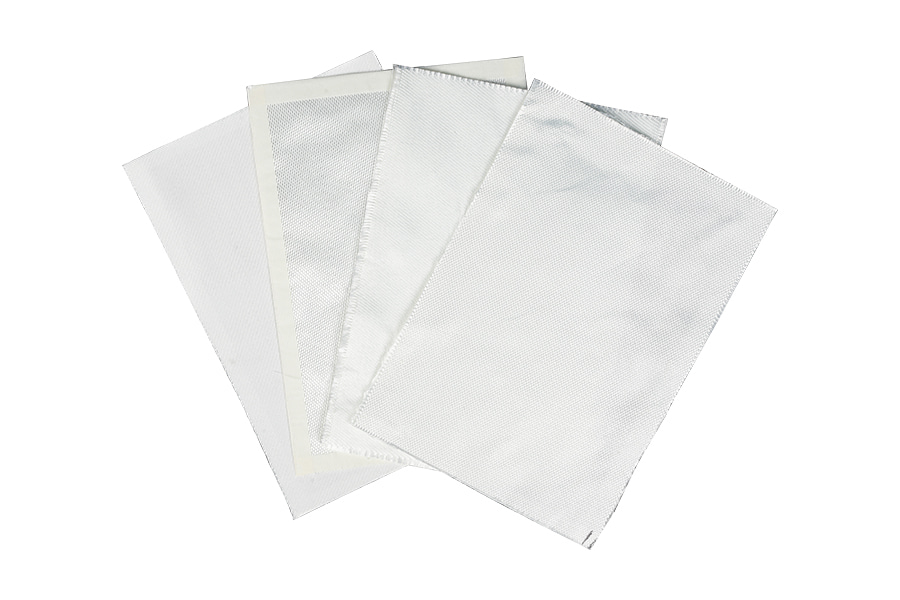
For prototypes and low-rate production, request samples cut from the actual coating run, not from a stock roll. Fold the sample 180 degrees and inspect the crease: a quality silicone bond shows no flaking, and the glass remains fully covered.
Before specifying, review how aerospace programs balance performance and safety, then compare the silicone coated fiberglass fabric product range to short-list candidate constructions.
These are the questions procurement teams and design engineers ask most often when evaluating silicone coated fiberglass for aerospace use.
Continuous rating is typically 260 °C, with reinforced grades rated up to 315 °C and intermittent peaks toward 343 °C. Above that range, high-silica or vermiculite-coated fabrics are the better choice.
Yes. The silicone layer forms a non-flammable residue and does not drip burning melt. Tested as a laminated blanket, the fabric can meet FAR 25.856-style oil-burner requirements; the final rating depends on the complete construction.
Yes. Manufacturers can adjust coating weight from roughly 100 g/m2 to 600 g/m2, weave density, width, color, scrim layers and adhesive systems. Customization is most reliable when weaving and coating happen in the same facility.
Both resist about 260 °C continuously. Silicone is more flexible, seals better and bonds more easily into blankets; PTFE offers lower friction, non-stick behavior and different chemical resistance. The joining method and the fluid environment usually settle the choice.
Recommended Products
Copyright © 2025 Jiaxing Jiete New Material Co., Ltd. All Rights Reserved.
Wholesale Wide Width Fiberglass Cloth Roll Suppliers



 English
 中文简体
中文简体