2026-09-23
When an insulation fails inside a hot motor, the failure usually traces back to one of three mistakes: a thermal class that is too low, a dielectric strength that is marginal at the specified thickness, or a fabric that cracks when wrapped around a tight stator corner. Silicone coated fiberglass fabric is specified in these applications because it holds continuous 180°C service, delivers repeatable dielectric values, and bends around small radii without splitting. This guide covers what the material is, which numbers belong on a specification, how silicone compares with PVC and PTFE coatings, and how to qualify a supplier.
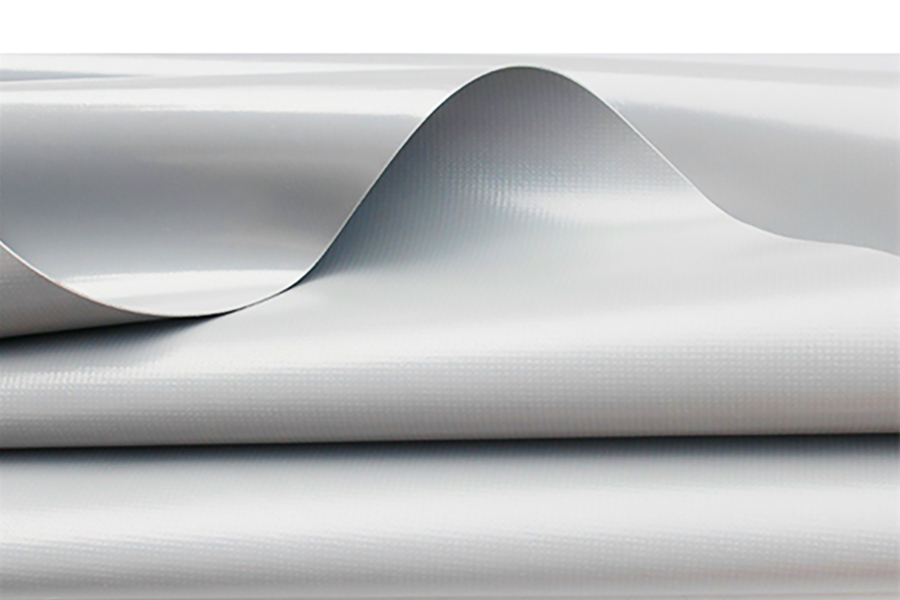
Silicone coated fiberglass fabric for electrical insulation is a woven glass substrate coated on both sides with cured silicone rubber, and it is rated for continuous service at 180°C (Class H) with a dielectric strength of 10 kV or more at 0.30 mm thickness.
Definition: silicone coated fiberglass fabric is a composite of an E-glass woven fabric and a vulcanized silicone rubber layer. The glass carries tensile load and dimensional stability; the silicone supplies dielectric separation, moisture resistance, and thermal endurance.
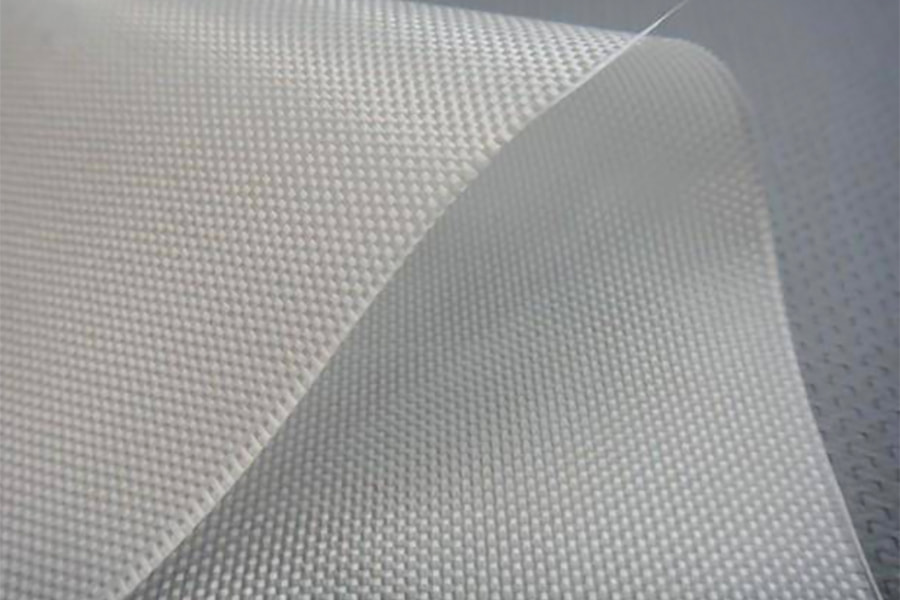
The substrate is typically a plain-weave E-glass cloth between 0.10 mm and 0.60 mm before coating. Silicone is applied by knife coating or calendering, then cured, which produces the material's elastic, slightly rubbery surface. For electrical work, the critical detail is coating uniformity: an uneven layer creates thin spots where partial discharge can start under sustained voltage stress.
The numbers follow from that construction. Volume resistivity sits around 1014 ohm-cm, the material does not melt or drip under flame, and it stays flexible down to roughly -50°C. That low-temperature flexibility matters when wrapped coils and cables are handled in an unheated workshop. The base substrate belongs to the same family as the fire-resistant and heat-resistant fiberglass fabrics used across industrial insulation.
Confirmed grades built for this duty include the high-temperature resistant, flame retardant, corrosion resistant silicone insulation fabric supplied by Jiaxing Jiete New Material Co., Ltd., which is sized for motor coils, transformer layers, and cable protection.
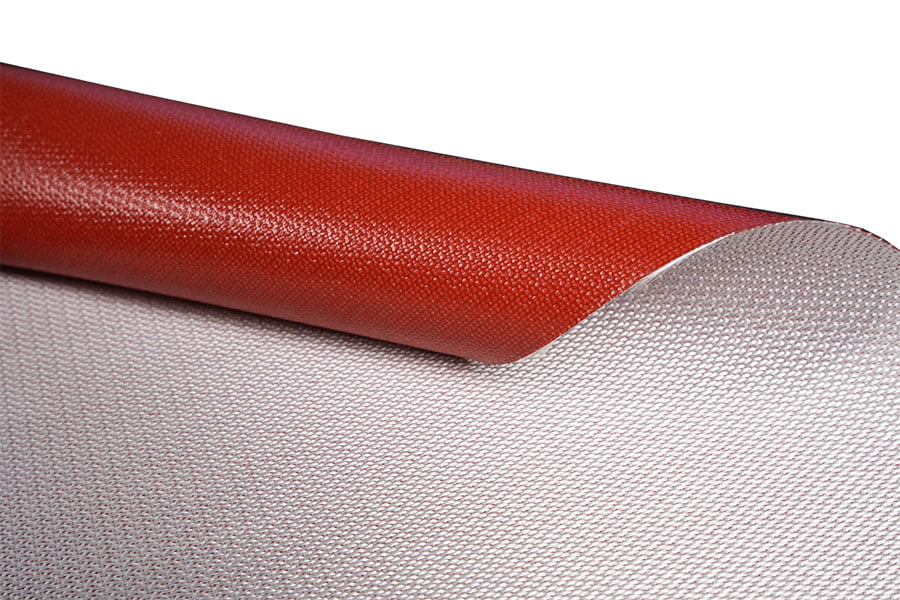 Wholesale High temperature resistant, flame retardant, corrosion resistant silicJiaxing Jiete New Material Co., Ltd China Wholesale High temperature resistant, flame retardant, corrosion resistant silicone insulation ...View Product →
Every insulation specification starts with three numbers: continuous operating temperature (180°C), dielectric strength at working thickness (10 kV or more at 0.30 mm), and tensile strength in the warp direction (2,500 to 4,000 N/50 mm). Everything else on the data sheet supports those three.
A 0.30 mm construction is the most common reference point for coil wrapping. Thinner fabrics from 0.13 to 0.20 mm save space in tight stator slots; thicker laminates from 0.50 to 1.0 mm and above are used where mechanical puncture resistance matters as much as voltage.
| Property | Typical value | Why it matters |
| Continuous service temperature | 180°C (Class H) | Sets the winding thermal class limit |
| Short-term peak temperature | 260°C | Covers soldering and overload spikes |
| Dielectric strength | 10 kV or more | Determines the wrapping layer count |
| Volume resistivity | about 1014 ohm-cm | Sustains high-impedance systems |
| Flammability rating | UL94 V-0, self-extinguishing | Safety in enclosed equipment |
| Tensile strength, warp | 2,500 to 4,000 N/50 mm | Resists wrapping tension |
| Coating thickness per side | 0.10 to 0.35 mm | Balances dielectric value and flexibility |
Insulation class continuous temperature limits
Bar width is proportional to the continuous class rating; the last bar shows the short-term peak for silicone coated fiberglass.
Silicone coating is the middle path: it outlasts PVC by roughly 75°C of continuous temperature, costs less than PTFE, and only loses to PTFE when continuous exposure climbs above 200°C. That positioning is consistent with the wider special functional fiberglass fabric specs and industrial uses we track across the product family.
For cable protection duty below 105°C, a PVC coated fabric for electrical cable protection is a lighter-cost alternative, and our separate article on PVC coated fiberglass fabric explains where the trade-offs bite. When continuous exposure passes 260°C, the correct answer is a high-silica fiberglass fabric instead.
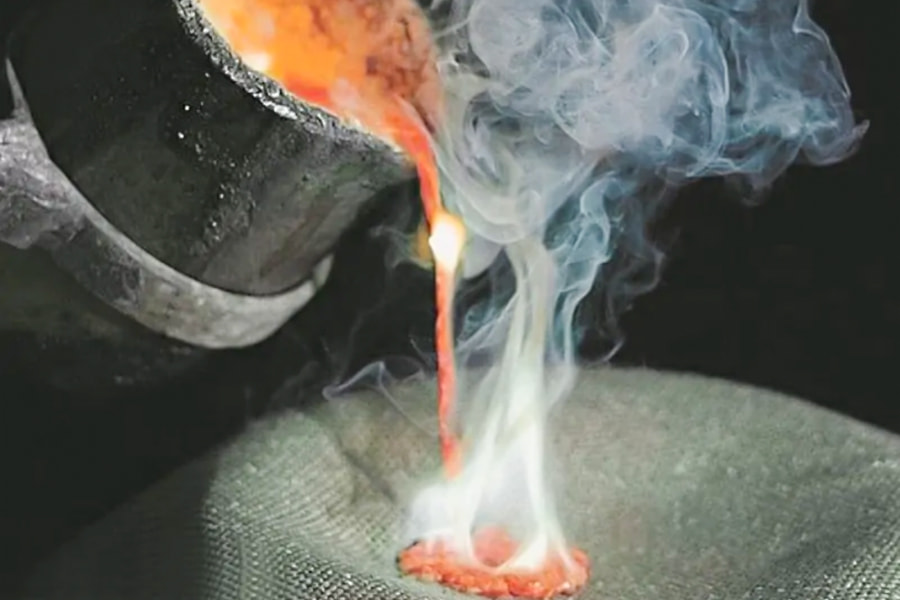 Wholesale Heat resistant fireproof flame retardant high silica fiberglass fabricJiaxing Jiete New Material Co., Ltd China Wholesale Heat resistant fireproof flame retardant high silica fiberglass fabric Suppliers and ...View Product →
 Wholesale Heat resistant, tear proof covering PVC insulation fabric - for electrJiaxing Jiete New Material Co., Ltd China Wholesale Heat resistant, tear proof covering PVC insulation fabric - for electrical cable prot...View Product →
Selection rule: below 105°C use PVC; between 105°C and 180°C use silicone; above 180°C continuous, move to PTFE or high-silica construction.
| Property | Silicone | PVC | PTFE |
| Continuous service temperature | 180°C | 105°C | 260°C |
| Dielectric strength, 0.30 mm | about 10 kV | 6 to 8 kV | about 12 kV |
| Relative cost | Medium | Low | High |
| Low-temperature flexibility | Good down to -50°C | Poor below 0°C | Very good |
| Fire behavior | V-0, no dripping | Can smoke and drip | V-0, low smoke |
| Typical electrical use | Coils, transformers, cables | Cable wrap under 105°C | Sensors, etching, high-heat zones |
In the field, silicone coated fiberglass fabric appears as coil wrapping tape, phase-to-ground insulation in motors and generators, layer insulation in dry-type transformers, cable and busbar wrapping, and a thermal barrier between hot components and wiring.
Factory samples should arrive with the same slitting quality as production rolls. A supplier that cannot control slitting edges will also struggle to control coating thickness.
Field note: tape overlap below 50 percent is the most common installation fault. It creates a spiral leakage path that shows up as a high-potential test failure during commissioning.
The difference between an insulation that lasts years and one that fails in months is usually process control at the coating line: thickness uniformity, cure completeness, and splice-free delivery. Those are supply-side variables, and they vary between mills.
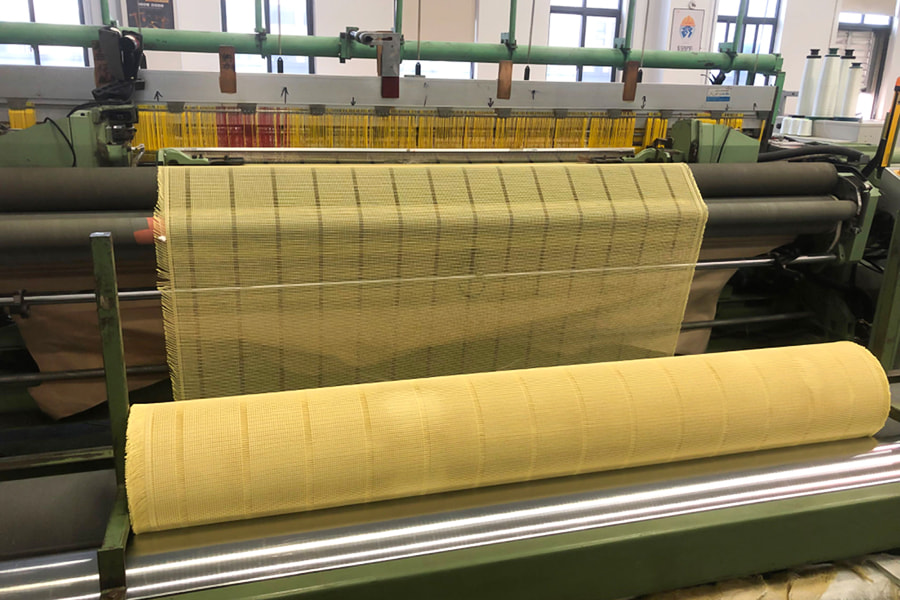
Jiaxing Jiete New Material Co., Ltd., a specialist fiberglass fabric manufacturer, controls the chain from warping and weaving to coating on Karl Mayer warping-sizing equipment, Dornier rapier looms, and multiple coating lines. The factory covers about 150,000 square meters with more than 200 employees and around 200 production machines, which is what consistent multi-year supply agreements depend on.
Treat the data sheet as an average, not a guarantee. Wrap a production sample on your smallest mandrel, heat it at 180°C for 100 hours, then bend it again. If it still flexes without cracking, the supplier's process is under control.
Continuous service is 180°C, the Class H limit. Short-term peaks up to 260°C are tolerated, which covers soldering heat, overload transients, and hot-spot excursions. It is not suitable where the winding will run above 180°C continuously.
Yes, when the construction is matched to the working voltage. A 0.30 mm fabric typically provides 10 kV or more of dielectric strength; higher voltages require thicker laminates or additional wrapping layers. Divide the working voltage by the rated dielectric strength and add at least one layer of margin.
PTFE handles continuous service about 80°C higher and resists a broader range of chemicals, but it costs more. Silicone is the preferred choice for Class H motors, transformers, and cable protection between 105°C and 180°C where budget matters.
Yes, with the right tooling. Use a sharp rotary cutter or shears on a clean flat surface, and stay above the minimum bend radius, roughly twice the material thickness at room temperature. In cold workplaces, condition the roll above 10°C for 24 hours before cutting.
Recommended Products
Copyright © 2025 Jiaxing Jiete New Material Co., Ltd. All Rights Reserved.
Wholesale Wide Width Fiberglass Cloth Roll Suppliers



 English
 中文简体
中文简体