2026-10-21
A maintenance crew in a glass-processing plant had six weeks to replace the insulation on a 420°C drying oven before the next production cycle. The old ceramic blanket had settled and torn, and the replacement had to wrap tightly around ductwork, survive repeated removal during inspections, and be simple enough to cut with a utility knife on site. The material they specified was insulation fiberglass fabric.
The short version: woven fiberglass fabric is one of the most practical thermal barriers available for continuous service up to roughly 550°C, and the real performance differences come from yarn construction, weave density, and optional coatings. Understanding those variables is what separates an insulation solution that lasts years from one that fails in a season.
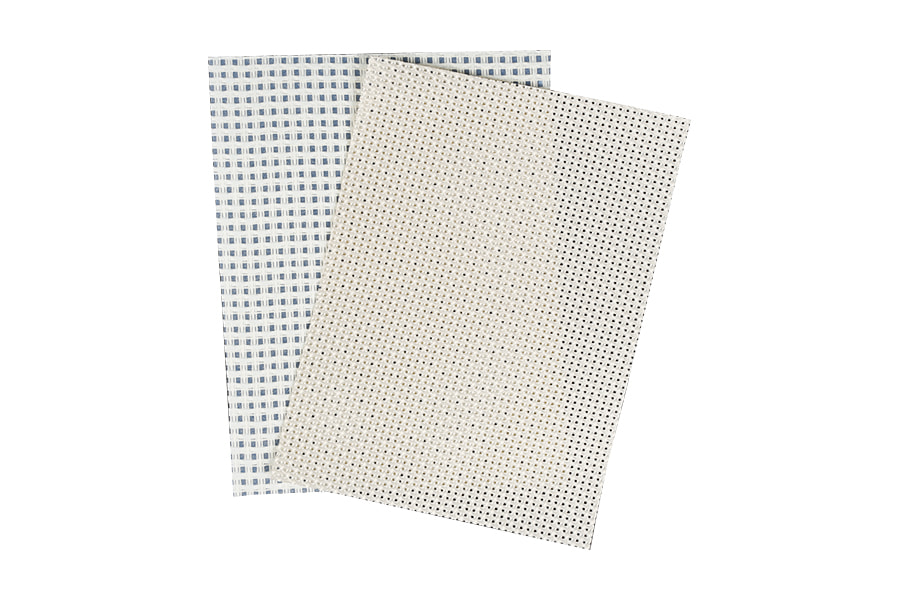
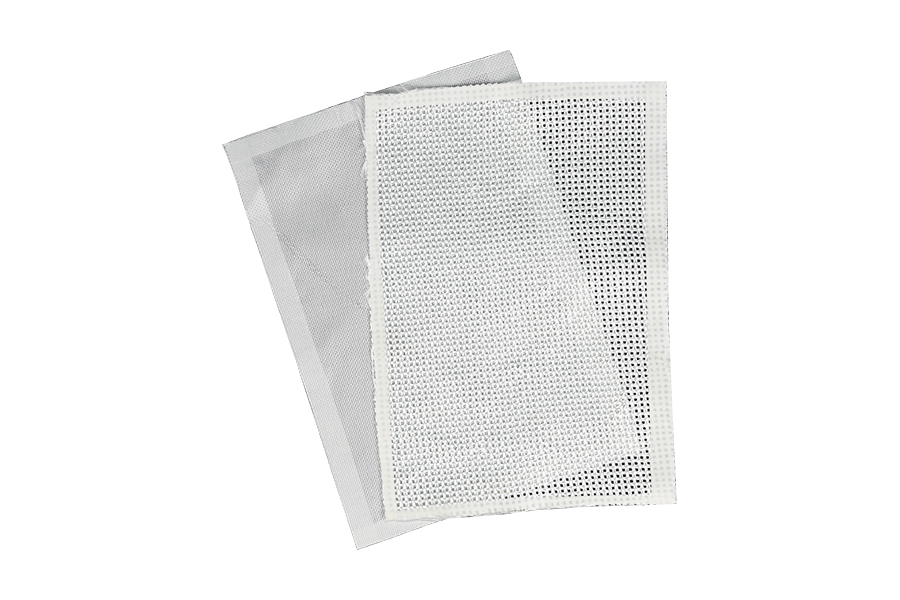
Insulation fiberglass fabric is a woven cloth made from continuous glass filaments. The filaments are twisted into yarns and then woven into constructions such as plain weave, twill, and texturized weaves. It is produced in widths from narrow tapes to full rolls, and in areal weights from about 200 g/m² up to more than 2,000 g/m².
Glass fiber itself conducts heat poorly, which is why the material insulates. The still air trapped in the woven structure does the real insulating work, and texturized yarns deliberately trap more air. That is why a texturized fabric at the same weight insulates better than a tight plain weave.
Just as important, glass fiber will not burn. It is rated non-combustible under major fire standards, produces virtually no smoke when exposed to flame, and keeps its shape at temperatures far beyond the limits of organic textiles. Those properties make it the default material for fire curtains, welding blankets, pipe wraps, and removable insulation jackets.
When engineers evaluate fiberglass fabric for an insulation task, they check five properties first.
The same raw glass can produce very different insulation behavior depending on how the yarn is made and woven.
The most common construction for general insulation work. Tight, uniform, and stable, it suits wraps, blankets, gaskets, and protective curtains where mechanical integrity matters more than maximum thermal resistance.
Texturized yarns are air-jetted into a bulky, looped structure. The resulting fabric traps a larger volume of still air, which raises its insulation value and makes it the preferred choice for removable insulation jackets and thermal liners. A texturized fabric can match the thermal protection of a plain weave at lower weight, or beat it at the same weight.
Areal weight is the most direct lever a specifier can adjust. A 400 g/m² fabric is a flexible cloth; a 1,300 g/m² texturized fabric behaves more like a felted mat. Heavier fabrics insulate better but reduce flexibility and raise cost. Most industrial insulation applications fall in the 600 to 1,500 g/m² range.
Uncoated fiberglass fabric works well in dry, clean heat. But many real installations expose the fabric to moisture, abrasion, molten metal splashes, or aggressive chemicals. In those cases, a coating transforms the material.
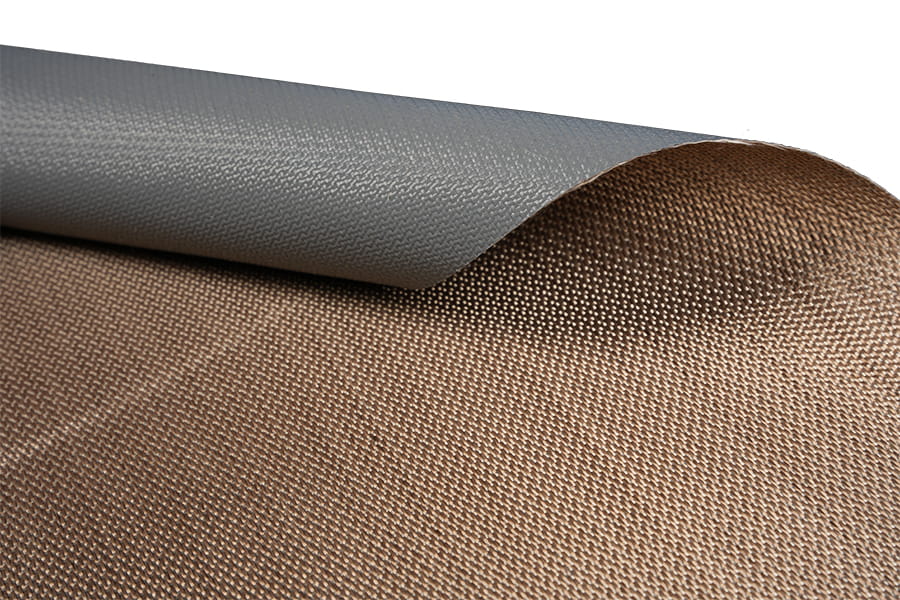
For pure heat insulation, vermiculite coating is the most common upgrade. It locks the fibers in place, gives the surface a bonded, non-fraying structure, and sharply improves resistance to molten metal splash. Silicone coating adds a watertight, flexible layer suitable for insulation jackets exposed to weather at temperatures up to roughly 260°C. PTFE coating provides excellent non-stick and chemical-resistant properties for heat shields that must resist contamination. PVC coating, by contrast, is an environmental protection layer with a continuous rating of roughly 100°C, so it is rarely specified for genuine high-heat insulation.
| Property | Uncoated | Vermiculite | Silicone | PTFE |
|---|---|---|---|---|
| Continuous temperature | up to 550°C | up to 550°C, short peaks higher | up to 260°C | up to 260–300°C |
| Molten splash resistance | Poor | Excellent | Good | Moderate |
| Moisture barrier | None | Partial | Excellent | Excellent |
| Abrasion resistance | Moderate | Good | Good | Excellent |
| Typical applications | Dry pipe wraps, gaskets | Welding blankets, fire curtains | Insulation jackets, flexible covers | Non-stick heat shields, expansion joints |
Datasheet temperature ratings refer to the glass fiber itself. Once a coating is added, the coating sets the continuous service limit. A silicone-coated fabric rated at 260°C is the correct engineering choice even though the glass beneath could survive far higher temperatures; pushing the coating beyond its limit makes it harden, crack, and expose the glass.
Start with the service temperature, then work outward. The continuous operating temperature must sit below the rating of both the glass and the coating. Short peaks can exceed the continuous rating, but their frequency and duration need to be realistic; glass that is repeatedly thermally cycled loses strength over time.
There is no universal grade. A fabric that performs well as a welding blanket can be the wrong choice for an outdoor insulation jacket, and a fabric with excellent chemical resistance may have too low a temperature rating. Selection is a trade-off, and a good manufacturer helps by being honest about limits.
The range of applications reflects the material's combination of heat resistance and flexibility.
In each application the same principle applies: the fiberglass fabric is the flexible, durable barrier that keeps heat where it belongs, so surrounding equipment, structures, and people stay safe.
Insulation fiberglass fabric is rarely bought off a shelf. Most industrial buyers work directly with a manufacturer to match yarn type, weave, weight, width, and coating to a specific piece of equipment or an insulation design.
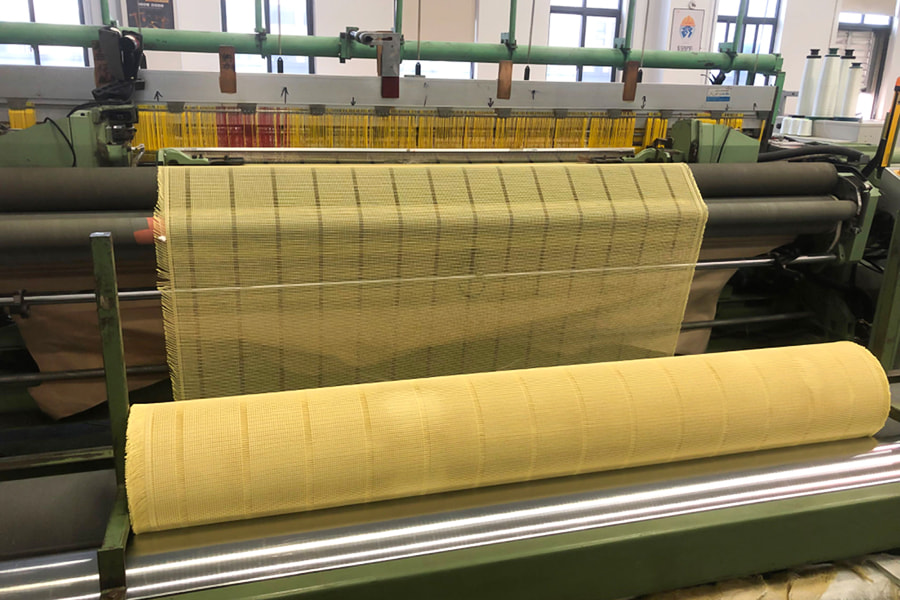
Because the production chain runs from yarn preparation through weaving to coating, an integrated manufacturer can respond with shorter lead times and tighter tolerances. At Jiaxing Jiete New Material Co., Ltd., warping and sizing machines, air-jet looms, rapier looms, and multiple coating lines operate across a 150,000 m² facility, so custom widths, special weaves, and custom coating formulations are part of normal production rather than exceptions.
Questions worth asking before placing an order:
Insulation fiberglass fabric earns its place in industrial maintenance and OEM designs because it combines heat resistance, flexibility, and long service life at a competitive cost. But the material delivers those benefits only when the grade is matched to the actual operating conditions. A fabric chosen on price alone, with the wrong coating or too low a temperature rating, can fail within weeks, and the cost of a failed insulation blanket is far higher than the savings on the fabric.
Start with the data: continuous temperature, peak temperature, exposure to moisture or chemicals, mechanical wear, and required service life. Let those numbers drive the construction, weight, and coating decision. A manufacturer with in-house weaving and coating capability can turn those requirements into a fabric that performs, and that consistency over a whole roll, batch after batch, is what makes insulation fiberglass fabric a dependable engineering material rather than a commodity.
Recommended Products
Copyright © 2025 Jiaxing Jiete New Material Co., Ltd. All Rights Reserved.
Wholesale Wide Width Fiberglass Cloth Roll Suppliers



 English
 中文简体