2026-08-12
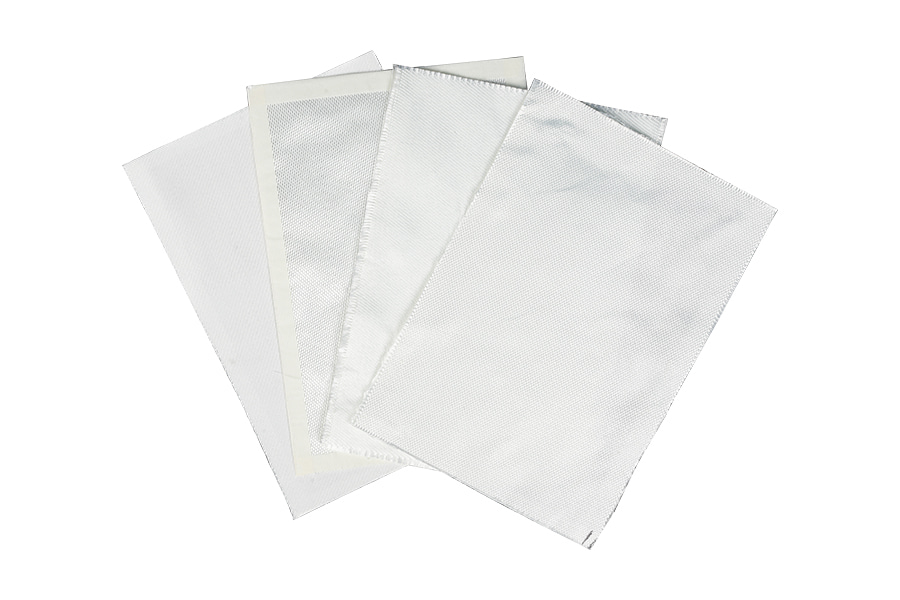
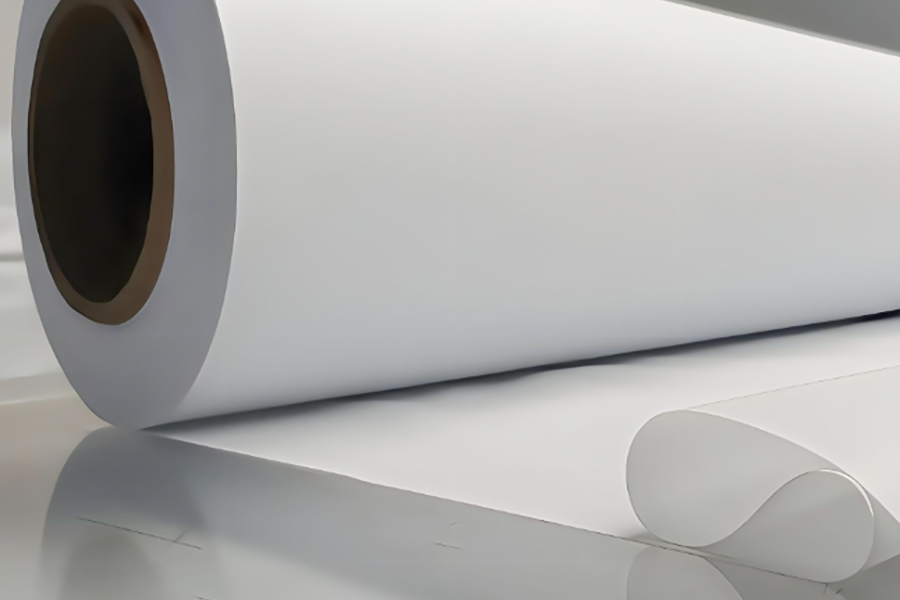
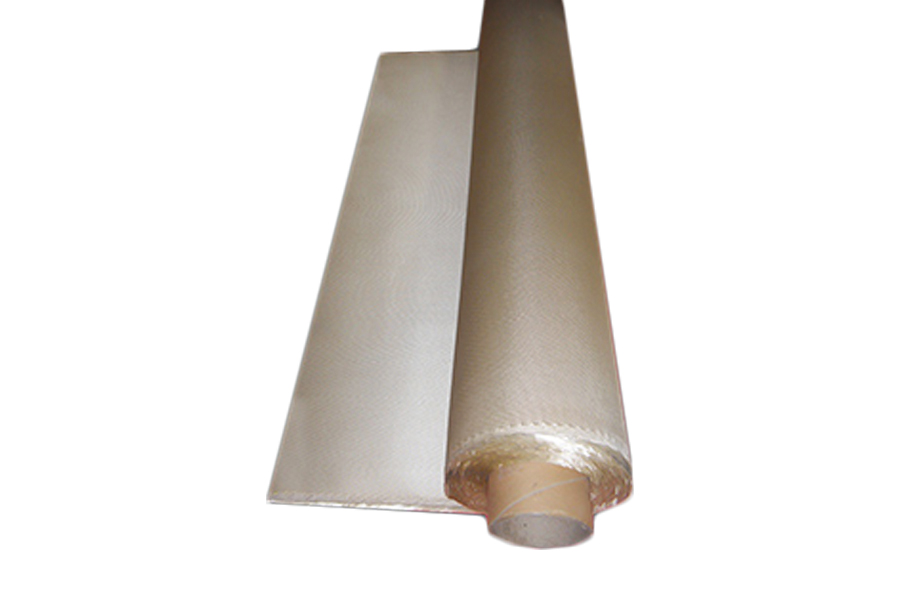
Sparks, molten splashes, and radiant heat destroy ordinary fabric in seconds, which is exactly the gap Fireproof Fiberglass Fabric was engineered to close. From welding bays to boiler rooms to aircraft interiors, this material shows up anywhere a barrier needs to survive direct flame or sustained high temperature without losing structural integrity. Here is how it performs across each major industrial use case.
Fireproof Fiberglass Fabric is the standard barrier material for welding blankets, curtains, and screens because it resists flying sparks, molten metal splashes, and short-term flame exposure without degrading. Metal fabrication workshops, shipbuilding facilities, and automotive plants rely on it to protect workers, nearby equipment, and surrounding structures during arc welding, gas welding, and cutting operations.
A fabric that resists ignition is only half the requirement. The other half is reducing heat transfer fast enough to protect what is standing behind it.
Furnaces, boilers, pipelines, and exhaust systems all lose efficiency when heat escapes uncontrolled, and fiberglass fabric reduces that loss while protecting surrounding components from surface temperature exposure. Combined with insulation blankets, heat shields, and protective jackets, it helps maintain stable operating temperatures across petrochemical, power generation, and manufacturing facilities.
Wraps high-temperature piping and equipment to manage heat and protect nearby infrastructure.
Insulates boilers and steam pipes operating continuously at high temperature.
Protects equipment and workers across processes that run at sustained high heat.
In fire curtains, fire blankets, and protective barriers, the fabric's non-combustible performance slows heat transfer during a fire emergency, giving occupants and responders critical extra time. Unlike organic fabrics, fiberglass does not easily burn or spread flame, and it can be cut, sewn, and combined with coatings to fit custom fire safety requirements.
As a heat shield, Fireproof Fiberglass Fabric protects engine compartments, industrial equipment covers, and exhaust systems from direct thermal radiation. In construction, the same material reinforces fire-resistant wall systems, building insulation layers, and fire separation barriers, extending service life while improving overall building safety performance.
Shipbuilding applications combine welding protection with engine room insulation and fire barriers in environments that also demand humidity and corrosion resistance. Automotive manufacturers use it for exhaust heat shields, engine insulation, and battery protection, while aerospace applications rely on it for lightweight thermal insulation components and fire-resistant covers where weight and heat resistance both matter.
| Feature | Fireproof Fiberglass Fabric | Traditional Fabric |
| Flame resistance | Excellent | Limited |
| Temperature resistance | High | Low to moderate |
| Heat insulation | Strong | Limited |
| Durability | High | Depends on material |
Selecting the correct Fireproof Fiberglass Fabric comes down to matching four variables to the application rather than picking the thickest option available.
Yes, for short-term exposure. It is non-combustible and resists flame spread, which is why it is standard for welding blankets and fire curtains handling direct spark and flame contact.
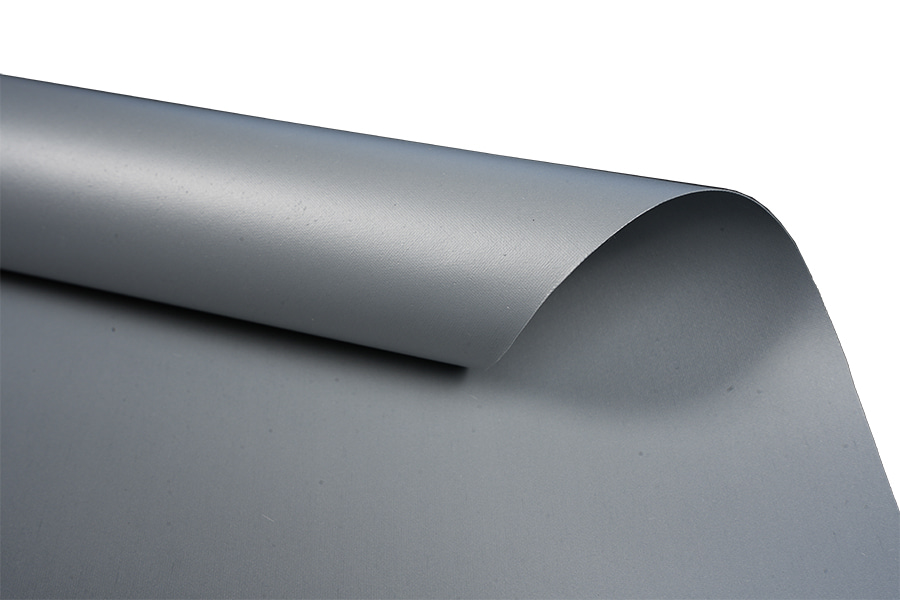
Silicone and acrylic coatings are common, along with treatments for heat reflection and enhanced abrasion resistance depending on the operating environment.
Yes. Its low thermal conductivity and high temperature resistance make it well suited to furnaces, boilers, pipelines, and other continuous-heat industrial systems.
Traditional fabrics offer limited flame and temperature resistance, while fiberglass fabric maintains structural integrity and insulation performance under sustained industrial heat exposure.
 |
 |
Recommended Products
Copyright © 2025 Jiaxing Jiete New Material Co., Ltd. All Rights Reserved.
Wholesale Wide Width Fiberglass Cloth Roll Suppliers



 English
 中文简体
中文简体