

 English
 中文简体


Fiberglass Mesh for PTFE Coating
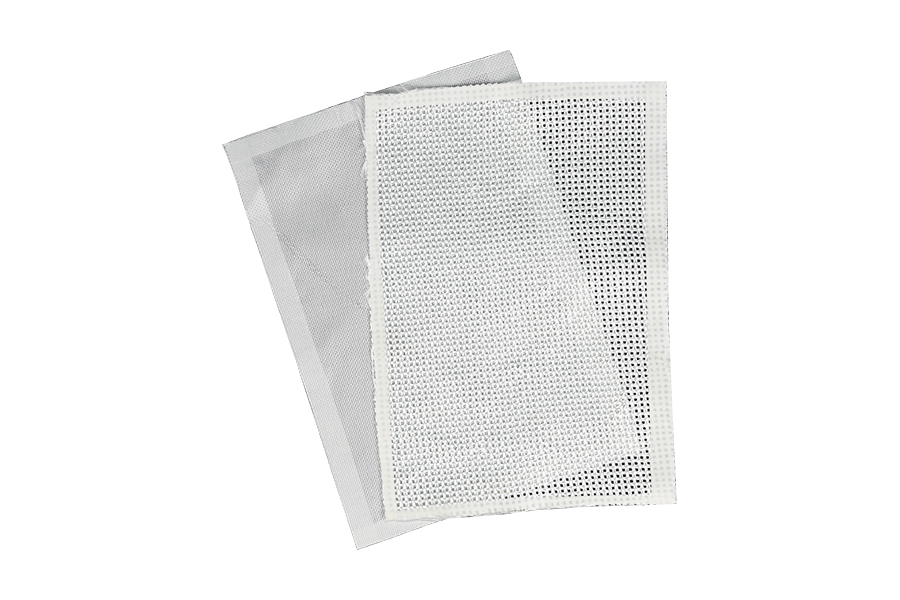
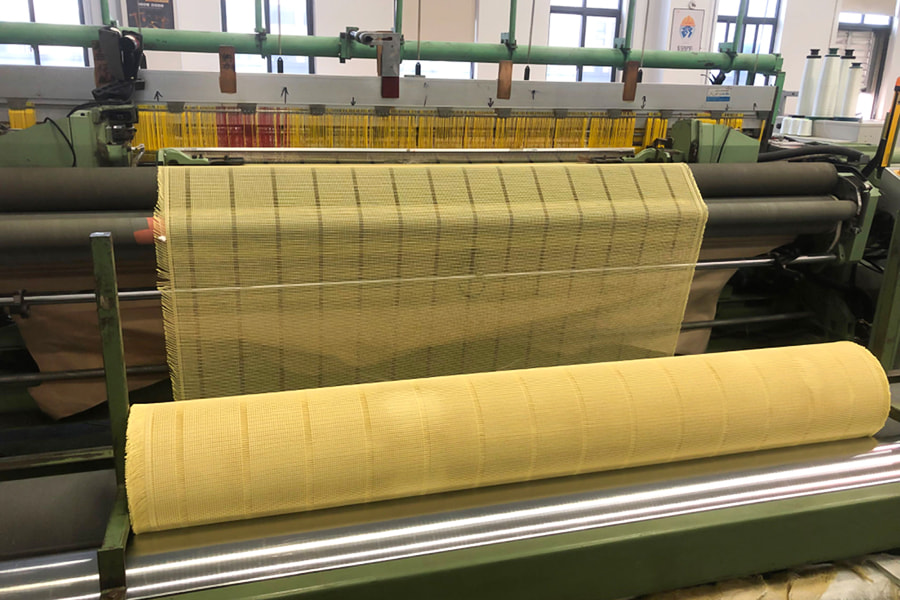
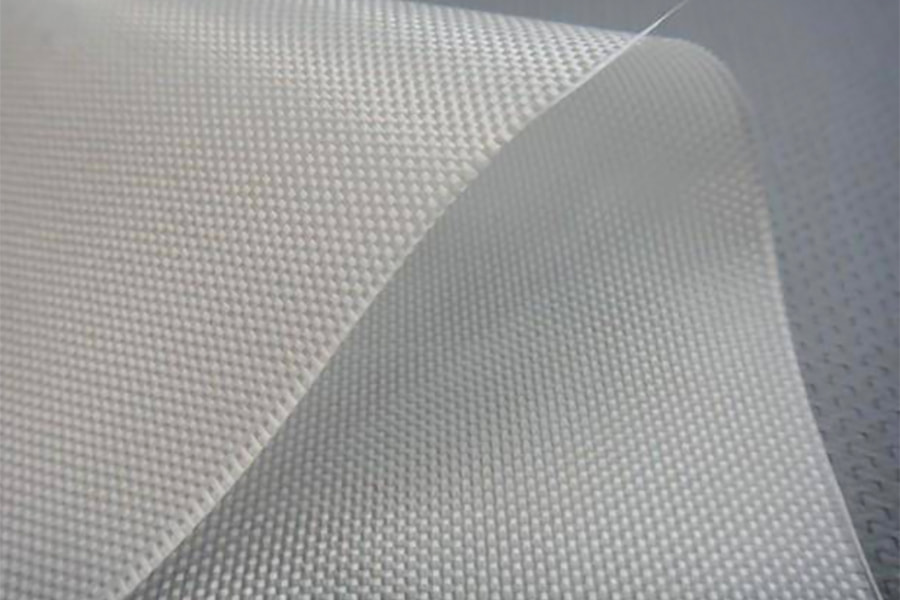
Fiberglass Mesh for PTFE Coating is a woven glass fiber reinforcement used as the base substrate for PTFE-coated fabrics and industrial composite materials. The mesh structure provides dimensional support, while the PTFE coating forms a functional surface with properties such as non-stick behavior, chemical resistance, and low friction. The finished material is used in applications where a flexible fabric structure must maintain its form during repeated handling, heating, or contact with process materials.
Mesh selection affects coating penetration, surface coverage, fabric flexibility, tensile behavior, and the consistency of the finished coated fabric. Openings, yarn diameter, weave pattern, fabric weight, and mesh stability should therefore be considered together with the PTFE coating formulation and application process. The appropriate construction depends on the intended operating environment, required finished thickness, and mechanical demands of the end product.
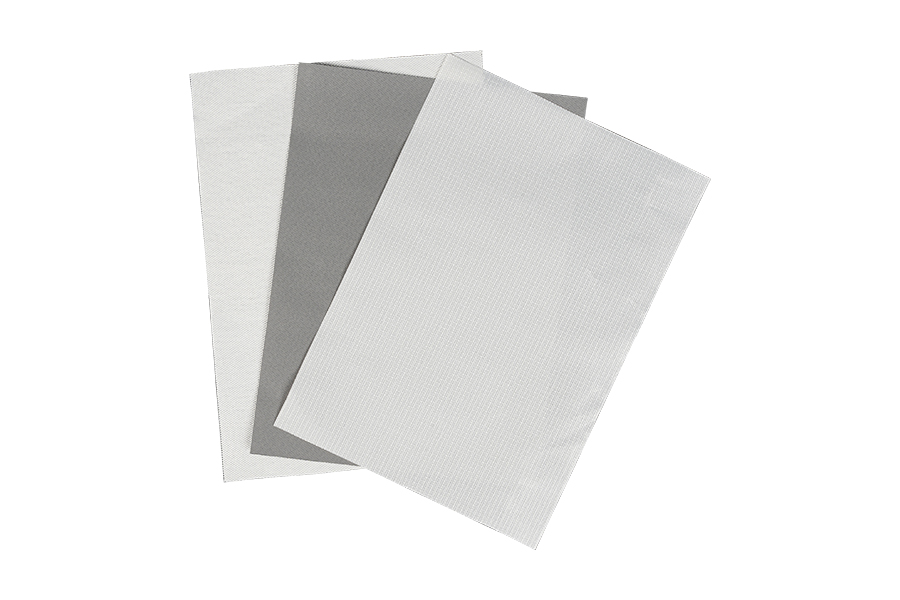
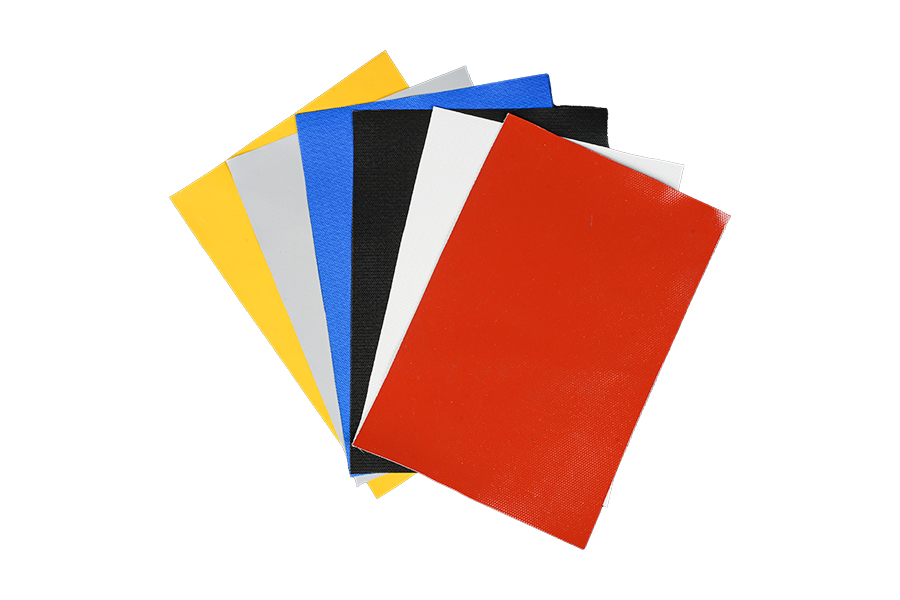
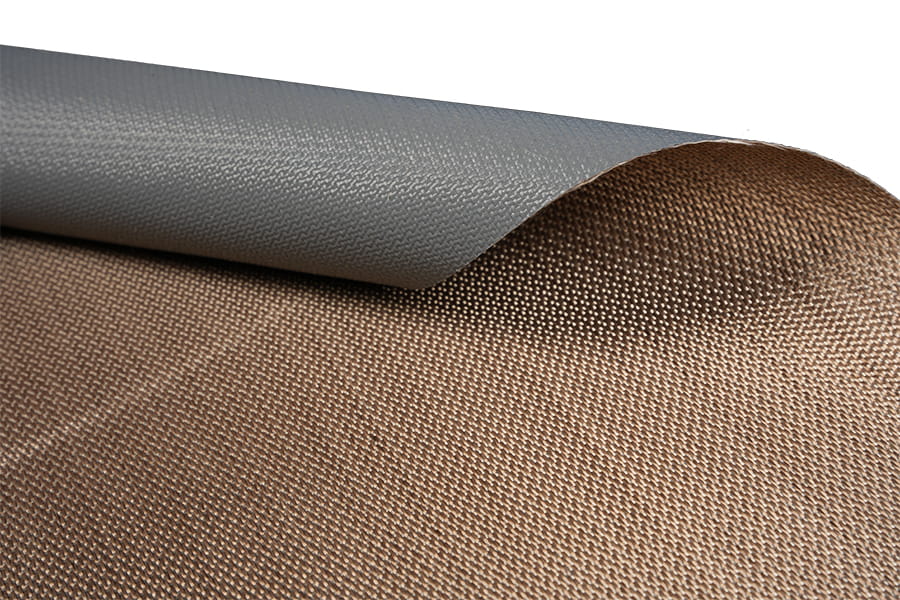
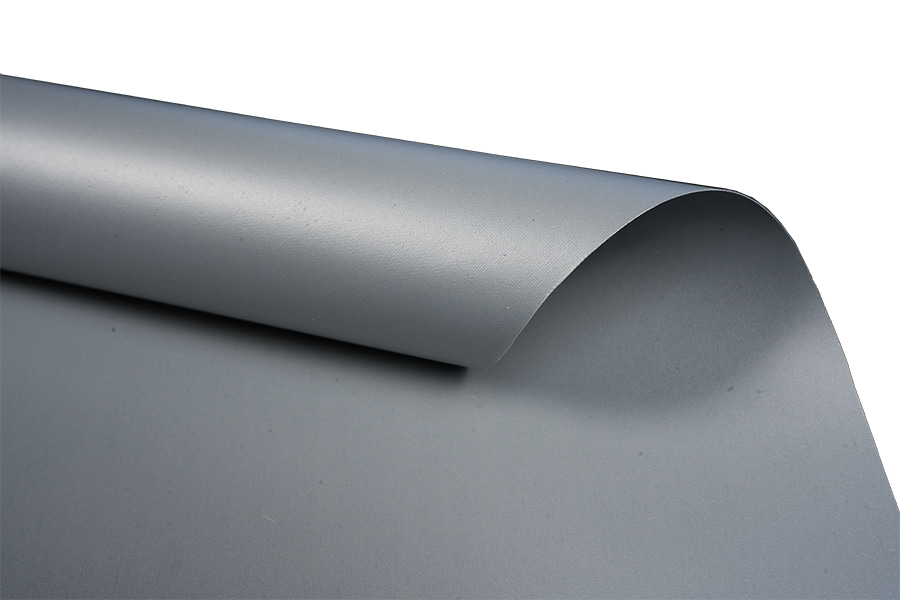
A coated fabric construction in which the glass fiber mesh provides reinforcement and the coating supplies the surface characteristics.
How Fiberglass Mesh Influences PTFE Coated Fabric
Opening size affects coating penetration and the distribution of PTFE through the fabric structure. It also influences the balance between reinforcement coverage and coating pickup.
Yarn type, filament arrangement, and weave determine the fabric's handling behavior, tensile response, and dimensional consistency during coating.
Base fabric weight contributes to the finished material's reinforcement level and overall thickness. It should be selected according to the intended product construction.
The glass fiber substrate must remain suitable for the coating and curing conditions. Actual performance depends on the complete fabric, sizing, coating, and processing system.
Mesh Construction and Weave Considerations
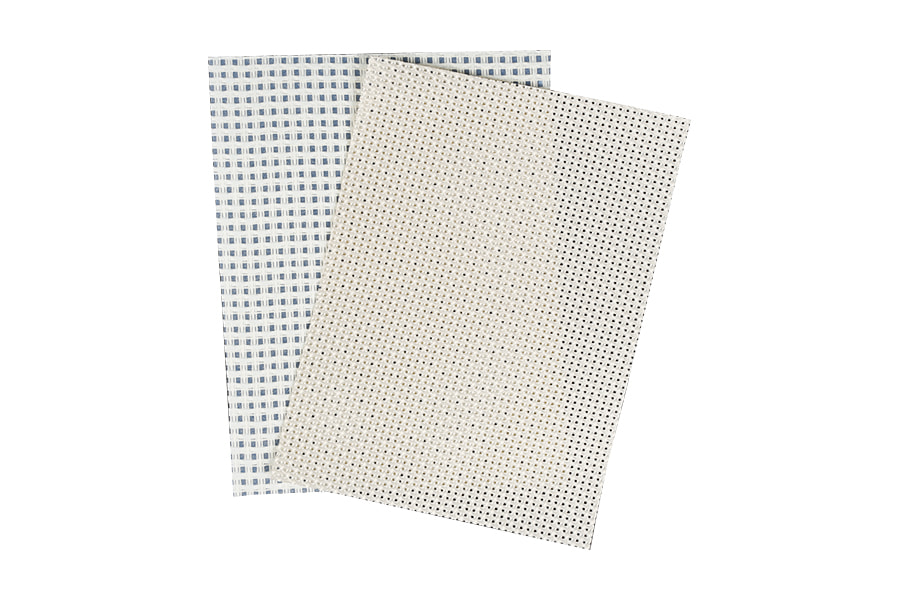
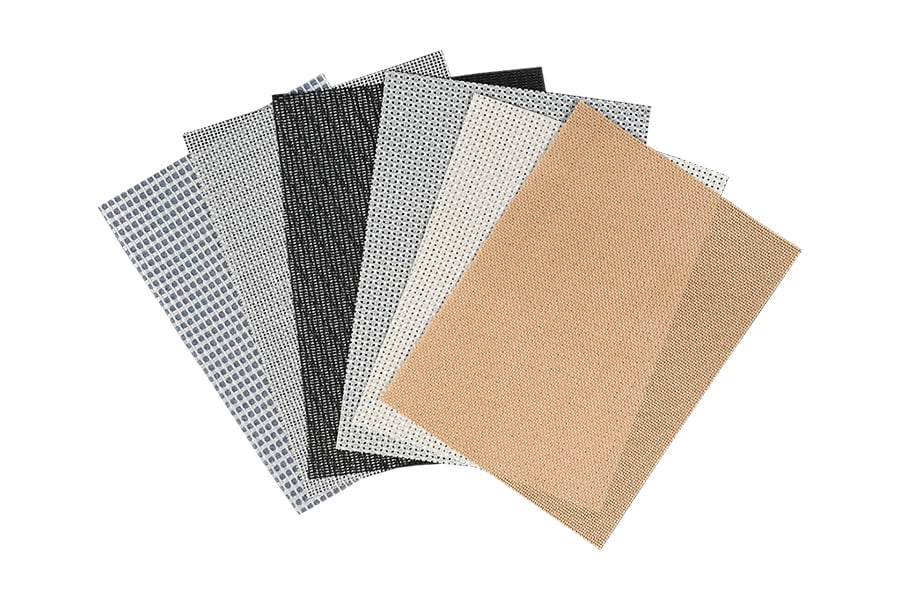
Fiberglass mesh for PTFE coating can be produced in different woven constructions. The selection should account for the coating line, required fabric flexibility, finished surface, and mechanical requirements. A more open structure may allow greater coating penetration, while a tighter construction can provide a different balance of coverage, thickness, and reinforcement.
Weave construction alone does not determine finished performance. Yarn characteristics, fabric tension, surface treatment, coating viscosity, and the number of coating passes also affect the final result.
Plain Weave Mesh
Regular interlacing creates a consistent fabric structure. It can be considered where stable mesh geometry and predictable coating-line handling are required.
Open Mesh Construction
Larger openings provide more space for coating penetration. The coating process must be adjusted to achieve the required coverage and avoid uneven distribution.
Close Mesh Construction
A denser arrangement changes the exposed substrate area and coating interaction. It may be evaluated for applications requiring a more closely supported fabric surface.
Compatibility Between Fiberglass Mesh and PTFE Coating
The coating result depends on the interaction between the glass fiber substrate and the PTFE dispersion or coating system. Surface condition, sizing chemistry, fabric cleanliness, coating formulation, and processing conditions should be evaluated before production runs.
Substrate preparation
Inspect fabric cleanliness, width, weave consistency, and surface condition before coating.
Coating application
Apply the coating using a process suited to the mesh opening, coating formulation, and target pickup.
Drying and sintering
Control the thermal profile according to the coating system and substrate specifications.
Finished fabric inspection
Check coating coverage, thickness, appearance, dimensions, and relevant mechanical properties.
PTFE coating processing temperatures and dwell times must be established for the specific coating formulation and substrate system. The thermal suitability of the complete fabric construction should be verified rather than inferred from the glass fiber content alone.
Performance Factors for Coated Fiberglass Mesh
For industrial purchasing and material qualification, the coated fabric should be evaluated as a complete system. The following factors help connect substrate specifications with end-use requirements.
| Evaluation factor | What to examine | Why it matters |
|---|---|---|
| Coating coverage | Surface continuity, exposed yarns, pinholes, and coating distribution | Influences surface consistency and functional protection. |
| Coating adhesion | Bonding between the coating and treated glass fiber substrate | Helps assess resistance to coating separation during handling and use. |
| Fabric tensile strength | Warp and weft tensile behavior before and after coating | Indicates the reinforcement contribution of the mesh. |
| Dimensional stability | Width, length, and dimensional changes after thermal processing | Supports consistent converting and installation dimensions. |
| Finished thickness | Base fabric thickness and total coated thickness | Affects flexibility, handling, and product fit. |
| Surface behavior | Non-stick characteristics, friction, and release behavior | Should match the contact conditions of the intended application. |
Applications of PTFE Coated Fiberglass Mesh
Industrial Conveyor Belts
Used in selected conveyor belt constructions where a coated fabric surface, release behavior, and reinforced mesh substrate are required. Belt design must account for load, tension, temperature, and operating speed.
Drying and Curing Equipment
Applied in certain mesh belt systems for conveying materials through drying or curing processes. Open-area requirements and thermal cycling should guide fabric selection.
Food Processing Equipment
Used in selected processing and conveying applications where a release surface is needed. Regulatory compliance must be confirmed for the complete finished material and its intended food-contact conditions.
Industrial Release Fabrics
Used as a reinforced substrate in release fabrics for manufacturing processes involving material transfer, surface separation, or controlled contact.
Specialty Coated Fabric Components
Can be incorporated into engineered fabric components where mesh reinforcement and PTFE surface characteristics are specified together.
Information to Confirm Before Ordering
Providing application and processing details helps determine whether a fiberglass mesh construction is suitable for a particular PTFE coating line or finished product. Buyers should confirm the following information with the material supplier.
Quality Checks for Fiberglass Mesh Supply
Consistent substrate quality helps coating manufacturers maintain stable process conditions across production batches. Inspection criteria should be agreed before order confirmation, particularly when the mesh is used in continuous coating or converting operations.
Review fabric weight, width, weave uniformity, roll condition, and visible defects.
Verify that the substrate treatment and sizing are suitable for the intended coating formulation.
Compare agreed physical specifications and inspection records across production lots.
Confirm roll identification, protective packaging, batch references, and shipment documentation.
Fiberglass Mesh for PTFE Coating FAQ
What is fiberglass mesh used for in PTFE coating?
It serves as a woven reinforcement substrate for PTFE-coated fabrics. The mesh provides structural support, while the PTFE coating supplies the required surface properties. The final characteristics depend on both materials and the coating process.
How does mesh opening affect PTFE coating?
Mesh opening affects coating penetration, pickup, and distribution through the fabric. Larger openings may allow deeper penetration, while denser constructions present a different coating interface. The suitable opening depends on the coating formulation and target finished fabric.
Can different fiberglass mesh weights be used?
Yes. Different fabric weights can be evaluated according to reinforcement requirements, finished thickness, flexibility, and coating conditions. The weight range and tolerance should be confirmed against the intended application.
Does fiberglass mesh require surface treatment before PTFE coating?
Surface treatment and sizing compatibility need to be evaluated with the specific coating system. The substrate may require a suitable surface condition to support coating adhesion and processing consistency. Testing should be completed before full-scale production.
What information is needed for a fiberglass mesh quotation?
Useful details include mesh opening, weave pattern, yarn construction, fabric weight, width, roll length, surface treatment, intended coating process, and target application. Required tolerances, testing criteria, packaging, and estimated order quantity should also be provided.
Can fiberglass mesh be supplied in customized specifications?
Customized specifications can be evaluated according to available weaving and finishing capabilities. Buyers should provide drawings or a technical specification sheet covering fabric construction, dimensions, tolerances, and performance requirements for feasibility review.