

 English
 中文简体
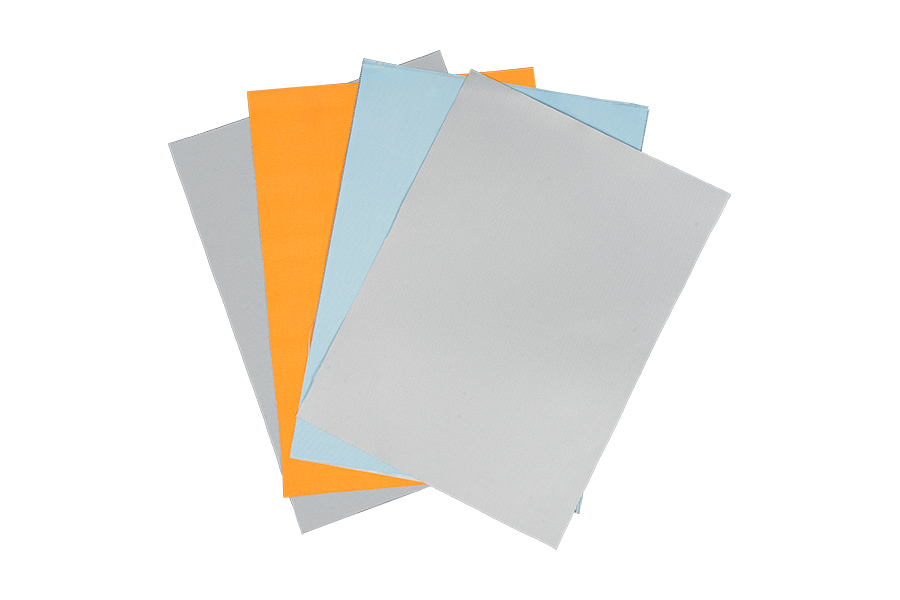
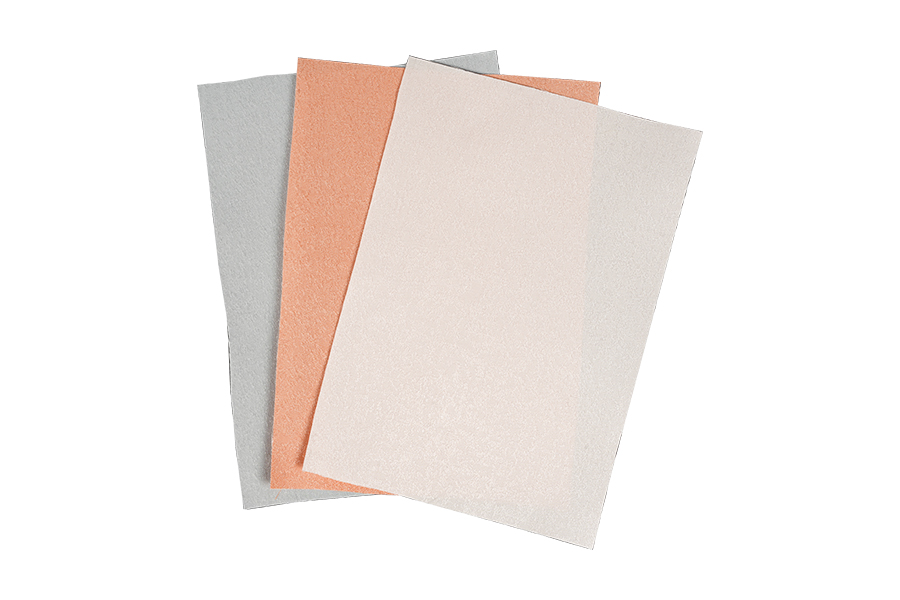

Fiberglass Cloth for FR4 Laminates
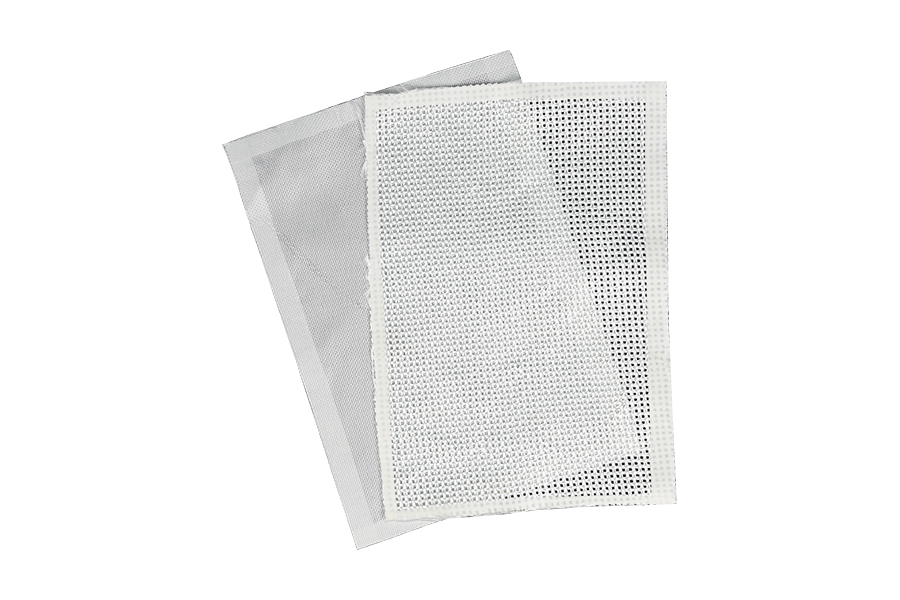
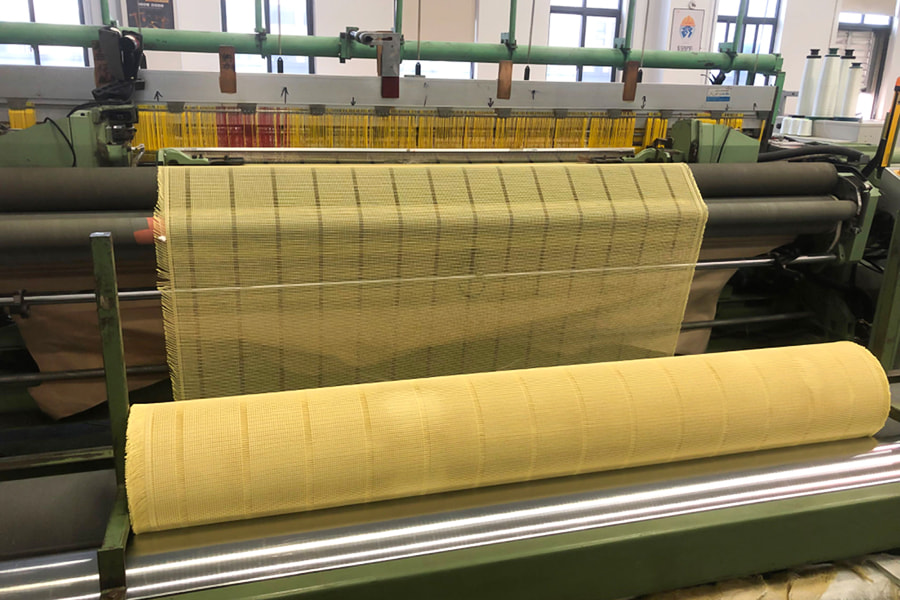
Fiberglass Cloth for FR4 Laminates is a woven glass fiber reinforcement material used in the production of glass-reinforced epoxy laminates. During manufacturing, the fabric is impregnated with epoxy resin and combined with other material layers before pressing and curing. The resulting laminate is commonly used as a substrate material for printed circuit boards and as an electrical insulation material in electronic and industrial applications.
The fabric provides the reinforcing framework within the FR4 structure. Its glass fiber type, yarn arrangement, weave pattern, areal weight, thickness and surface sizing influence resin impregnation, dimensional consistency and the characteristics of the finished laminate. Product selection therefore requires consideration of both fabric specifications and the requirements of the downstream resin and lamination process.
Glass Fiber Reinforcement in FR4 Material Systems
FR4 is a glass-reinforced epoxy laminate material widely used in printed circuit board manufacturing. Fiberglass cloth serves as the reinforcement component, while epoxy resin forms the matrix that binds the fabric layers into a consolidated structure. The combination creates a rigid laminate with electrical insulation and mechanical characteristics suitable for a range of electronic applications.
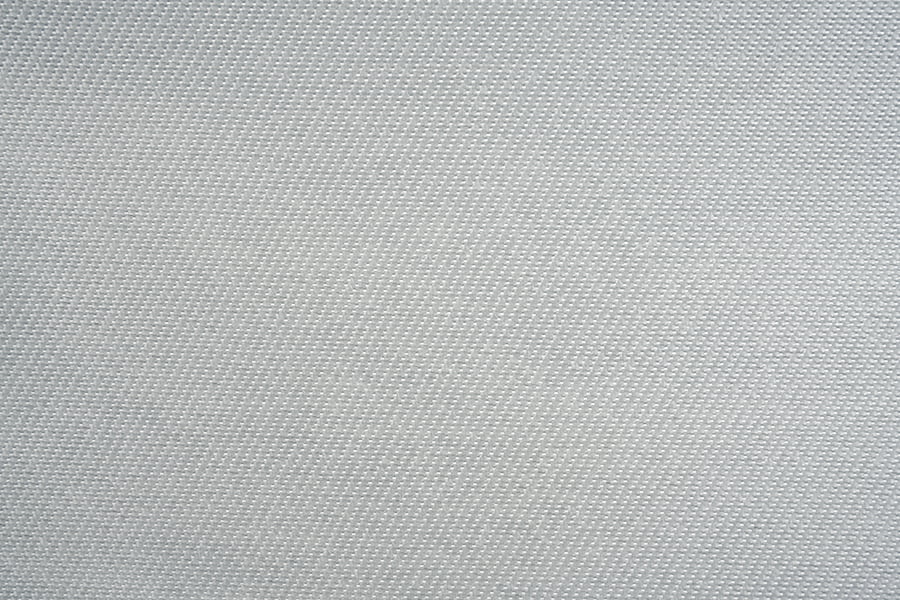
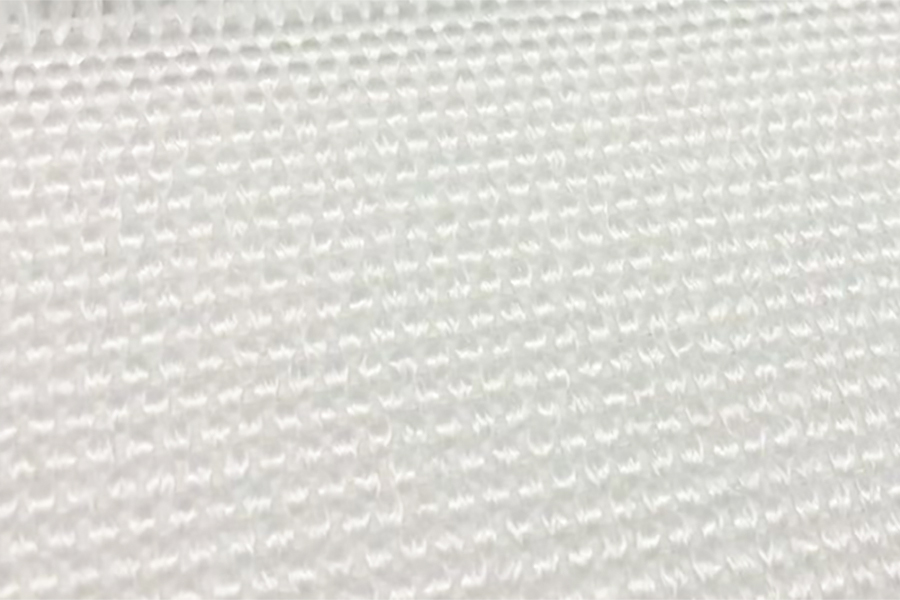
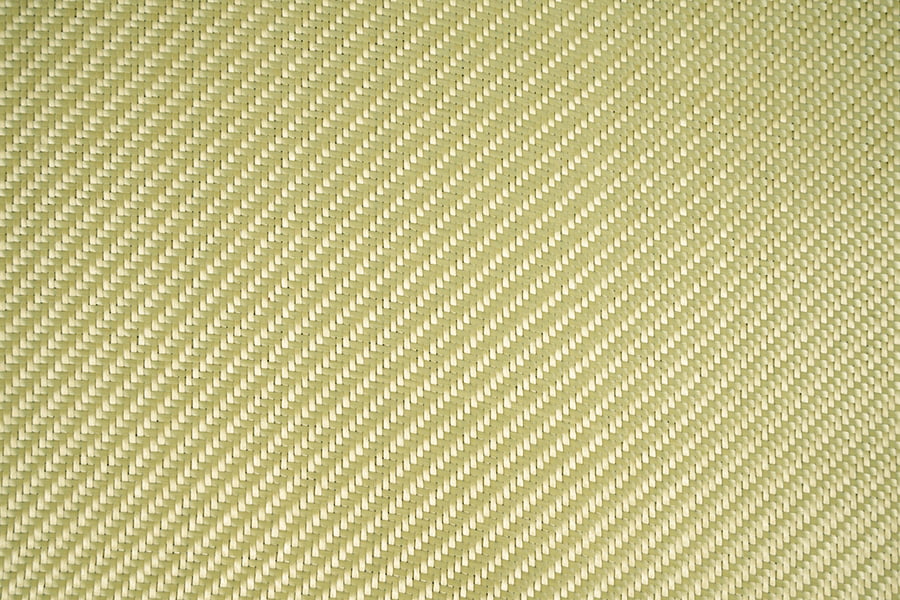
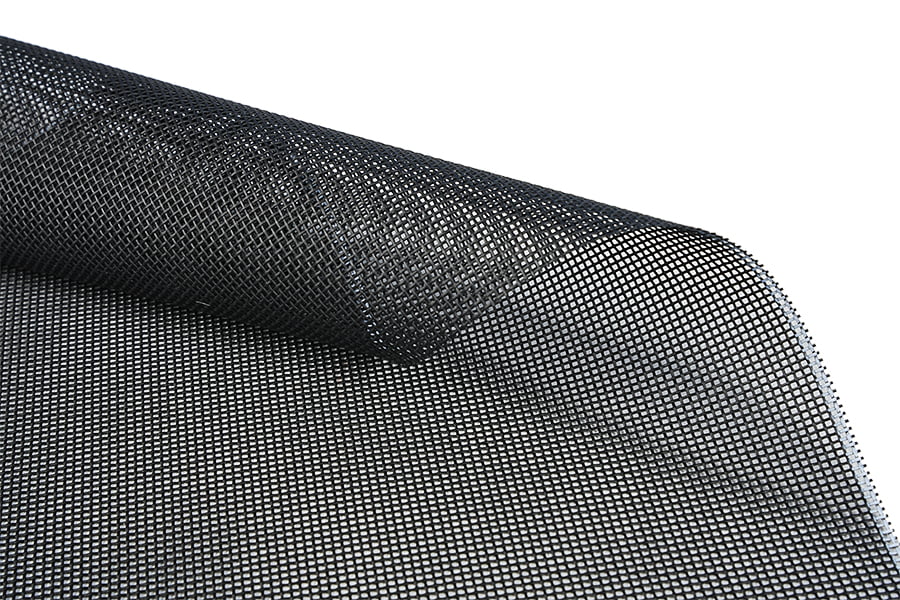
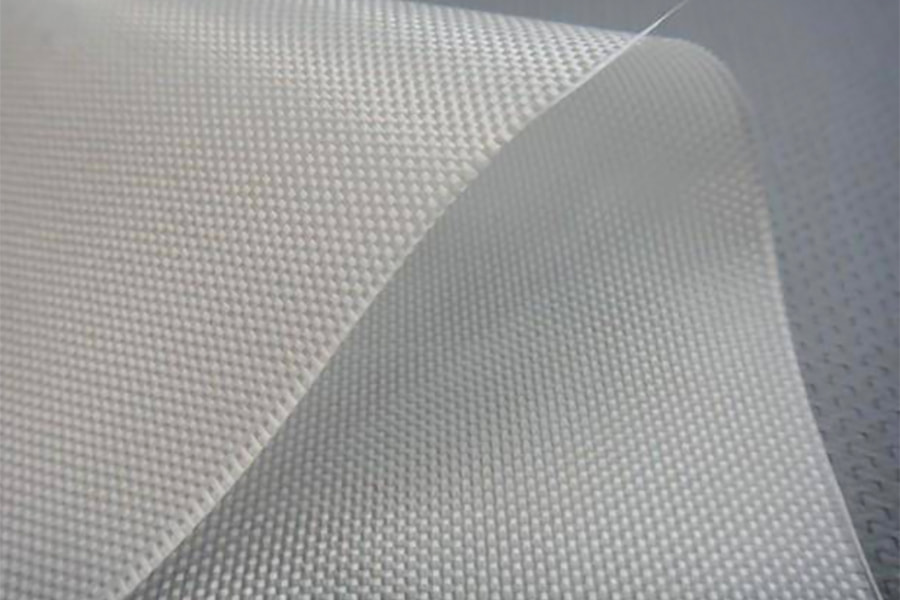
E-glass woven fabric is commonly used in this material system. The warp and weft yarns form an interlaced textile structure that provides reinforcement in two principal directions. Different fabric weights and constructions can be selected according to laminate thickness, resin content, impregnation requirements and the intended application.
In production, fabric consistency is important because variations in yarn distribution, fabric thickness or areal weight may affect resin uptake and laminate uniformity. Buyers should therefore establish clear material specifications and verify compatibility with the epoxy formulation and processing conditions used by the laminate manufacturer.
Core Advantages
Consistent Reinforcement for Epoxy Laminate Production
Fiberglass cloth is an essential structural component in FR4 laminate manufacturing. Its textile characteristics influence how the reinforcement is distributed throughout the resin-based material.
Glass Fiber Reinforcement
Provides the reinforcing framework required for glass-reinforced epoxy laminate construction.
Defined Woven Structure
Interlaced warp and weft yarns create a structured fabric that can be incorporated into controlled laminate lay-ups.
Epoxy Resin Integration
Appropriate surface sizing supports the interaction between glass fibers and compatible epoxy resin systems.
Laminate Design Flexibility
Different fabric weights and thicknesses can be considered when developing laminate structures for specific applications.
Specification-Based Procurement
Defined GSM, width, weave and sizing requirements help establish repeatable material purchasing standards.
Product Features and Material Specifications
The performance of fiberglass cloth in FR4 laminates depends on several interconnected material parameters. Each parameter should be considered in relation to resin impregnation, laminate construction and finished-board requirements.
E-Glass Fiber Composition
E-glass yarns provide the reinforcement base for many glass-reinforced epoxy laminate materials. Fiber composition and yarn specifications should be confirmed according to the electrical and mechanical requirements of the finished laminate.
Woven Fabric Architecture
The fabric is formed by interlacing warp and weft yarns. Yarn count, yarn size and weave construction influence the fabric's density, surface profile, stability and resin impregnation behavior.
Areal Weight and Thickness
Areal weight is generally measured in grams per square meter. Together with fabric thickness and construction, it determines the amount of reinforcement introduced into each laminate layer. Required values and tolerances should be specified before production.
Epoxy-Compatible Sizing
Surface sizing affects the interface between glass fibers and resin. A suitable sizing system should be selected for the intended epoxy formulation and impregnation conditions.
Fabric Uniformity
Consistent yarn distribution and weave formation help maintain stable fabric characteristics. Relevant inspection items may include GSM, width, thickness, appearance and roll condition.
Dimensional Configuration
Fabric width, roll length and dimensional tolerances should correspond to the requirements of the customer's impregnation equipment, material handling system and production schedule.
Applications of FR4 Fiberglass Reinforcement
Fiberglass cloth for FR4 laminates is mainly used in glass-reinforced epoxy material production. Its downstream applications are associated with PCB substrates, electrical insulation and electronic component manufacturing.
Printed Circuit Board Substrates
Used as the glass fiber reinforcement in FR4 laminate sheets that serve as base materials for printed circuit board manufacturing.
Multilayer PCB Materials
Incorporated into selected multilayer laminate constructions where glass fiber fabric and resin layers are combined to achieve specified board structures.
Electrical Insulation Boards
Used in glass-reinforced epoxy sheets and panels for electrical insulation applications, subject to the requirements of the finished material.
Electronic Equipment Components
Applied in selected laminate materials used for electronic equipment substrates, supporting structures and insulation components.
Industrial Composite Insulation
Can be considered for specified epoxy-based composite components that require glass fiber reinforcement and electrical insulation characteristics.
Specialized Laminate Materials
Used in selected glass-reinforced epoxy laminate products developed for particular thickness, dimensional or electrical requirements.
Manufacturing and Supply Capabilities
For FR4 laminate manufacturers, stable fabric specifications are important for controlling material consumption, resin impregnation and finished laminate consistency. Supply requirements should be agreed according to the customer's technical documentation.
Raw Material Selection
Confirm glass fiber type, yarn specification and sizing requirements based on the intended application.
Weaving Configuration
Define the weave pattern, warp and weft arrangement, target GSM and fabric dimensions.
Quality Inspection
Check agreed parameters such as areal weight, width, thickness, weave appearance and roll condition.
Packaging and Shipment
Confirm roll length, protective packaging, product identification and shipment documentation.
B2B Buyer Considerations
When purchasing fiberglass cloth for FR4 laminates, buyers should provide the technical requirements of their prepreg or laminate production process. A general description such as E-glass woven fabric may not identify the exact material needed because different fabric weights, weave constructions and sizing formulations can produce different processing characteristics.
Resin compatibility is particularly important. The fabric should be evaluated with the actual epoxy formulation and impregnation conditions. Resin wet-out, resin content, curing behavior and laminate thickness all contribute to the characteristics of the finished board.
For long-term procurement, an approved material specification can help maintain consistency between production batches. The document should identify fabric construction, dimensional tolerances, inspection methods, acceptance criteria and packaging requirements. Where electrical or dielectric performance is critical, finished laminate testing should follow the applicable industry and product standards.
Technical Information for RFQ
Glass fiber type and yarn specification
Weave pattern and fabric construction
Target areal weight and tolerance
Fabric thickness and width
Epoxy resin and sizing compatibility
Roll length, order quantity and packaging
Inspection requirements and applicable standards
Frequently Asked Questions
Common questions about selecting and purchasing fiberglass cloth for FR4 laminate production.
What is fiberglass cloth for FR4 laminates?
It is a woven glass fiber reinforcement material used in glass-reinforced epoxy laminate production. The fabric is impregnated with epoxy resin and consolidated into a laminate structure through pressing and curing.
Why is E-glass commonly used in FR4 laminates?
E-glass is widely used in glass-reinforced epoxy materials because it provides a suitable reinforcement base for many electrical and electronic applications. The exact fiber grade and fabric specification should meet the requirements of the intended laminate.
Does fiberglass cloth determine the dielectric properties of FR4?
No. Dielectric properties depend on the complete laminate system, including glass fiber, epoxy resin formulation, resin content, fabric construction, curing conditions and laminate design. Fiberglass cloth is an important component but does not independently determine finished-board performance.
Which weave pattern is commonly used for FR4 fiberglass cloth?
Plain weave is commonly used in many PCB reinforcement fabric specifications. Other constructions may be considered when the laminate design and manufacturing process require them. The required weave should be confirmed against the applicable material specification.
Why is surface sizing important for FR4 fiberglass cloth?
Surface sizing affects the interface between glass fibers and epoxy resin. A compatible sizing system supports resin wetting and bonding behavior during impregnation and curing. Buyers should confirm compatibility with the intended resin formulation.
What fabric parameters should buyers specify?
Key parameters include glass fiber type, weave pattern, areal weight, thickness, width, yarn specification, sizing system and dimensional tolerances. Buyers should also identify the intended resin system and relevant laminate requirements.
Can different GSM specifications be supplied?
Available GSM options depend on the supplier's yarn range and fabric production capabilities. Buyers should provide the target areal weight and acceptable tolerance for confirmation.
Can FR4 fiberglass cloth be used for other epoxy composite applications?
Some fiberglass fabrics may also be suitable for other epoxy composite applications. However, suitability depends on fabric construction, sizing and performance requirements. A fabric specified for FR4 production should not automatically be assumed suitable for every epoxy-based application.