2026-09-14
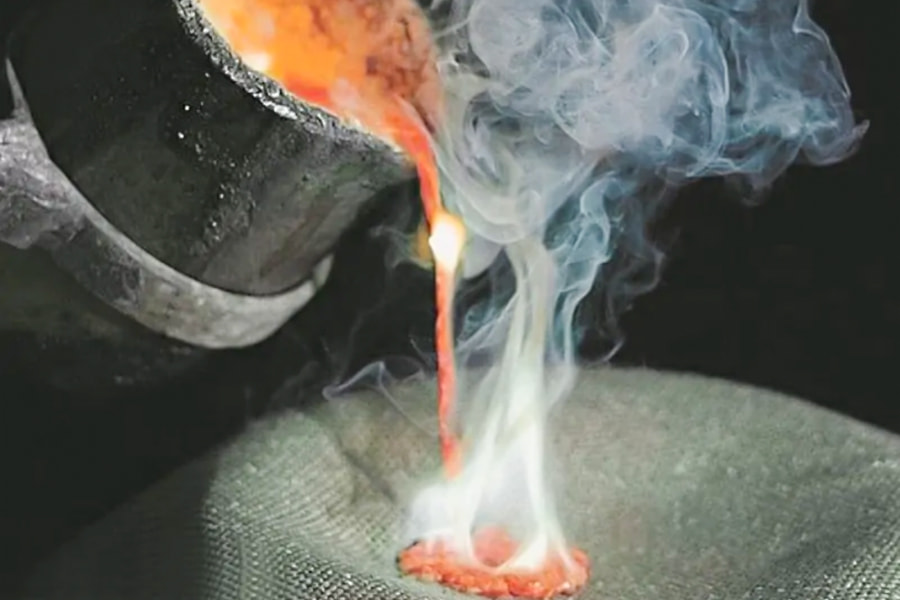
Welding spatter can reach temperatures above 1200°C in a fraction of a second, and a single spark landing on an oiled floor can ignite a fire that spreads through a production line within minutes. In gas processing plants, where flammable vapors sit close to hot pipes, the risk is even higher. Fire-resistant fiberglass fabric gives engineers and procurement managers a reliable barrier between heat and property. Ceramic fiber and asbestos were once the default thermal barriers in heavy industry, but both present major health and disposal challenges. Glass fiber fabric is a clean, economical alternative that does not compromise safety, and its weight is roughly one third of an equivalent ceramic blanket.
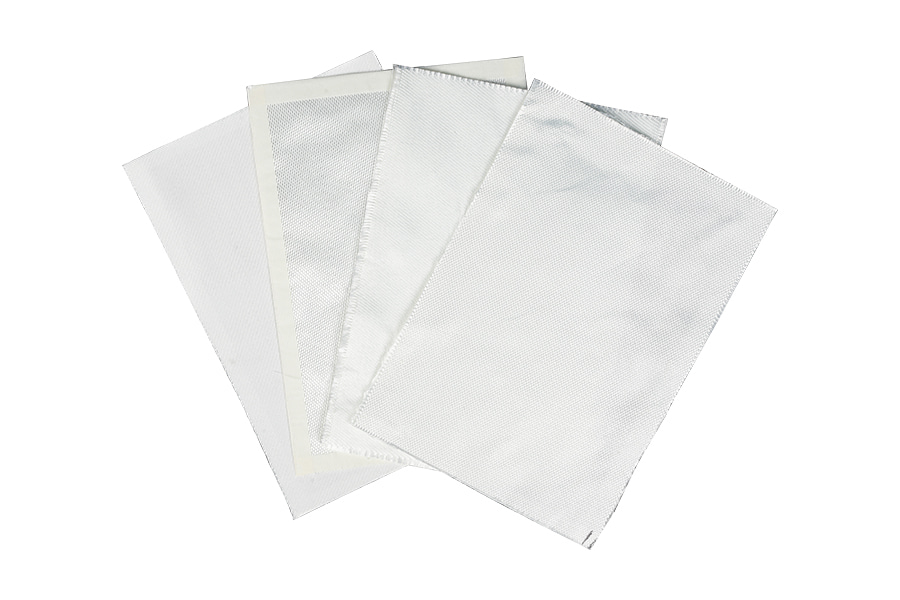
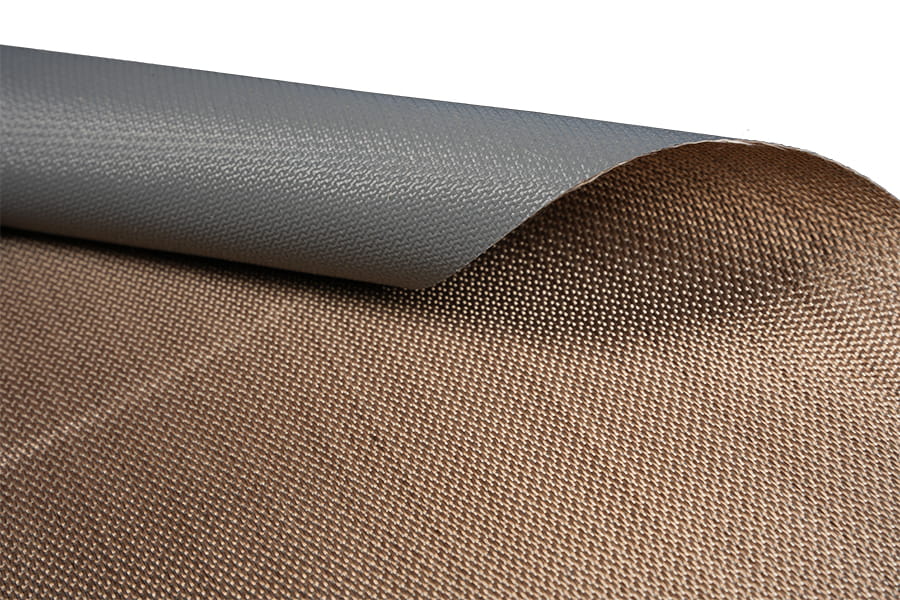
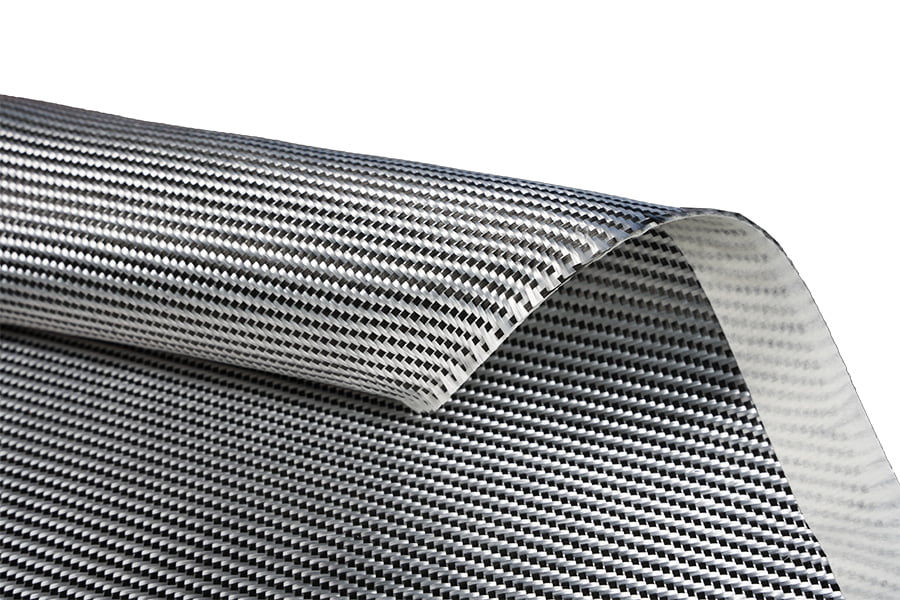
Fire-resistant fiberglass fabric is an engineered textile woven from inorganic glass filaments that does not support combustion and maintains structural integrity at continuous temperatures from 500°C to 1000°C, depending on fiber type and coating system. Jiaxing Jiete New Material Co., Ltd. produces this material in plain weave, twill weave, and expanded constructions to suit different industrial requirements.
Glass fiber is inorganic, so it has no flash point. When exposed to flame, it does not ignite, does not spread fire, and does not release toxic smoke. This makes it a safe alternative to organic textiles in enclosed spaces like ship engine rooms, electrical cabinets, and furnace enclosures.
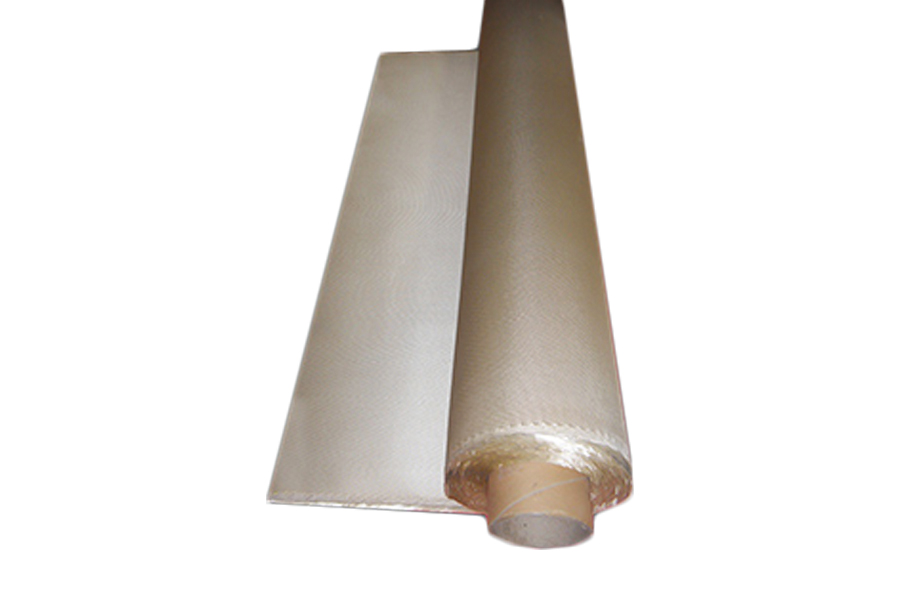
Fabrics are available from 200 GSM to 1200 GSM, with heavier constructions providing better insulation but less flexibility. Plain weave is the most common, while twill and expanded weaves increase coverage and tear strength. The base fiber type determines the temperature ceiling: E-glass is the workhorse, while high-silica and medium-silica variants extend resistance beyond 800°C for severe applications.
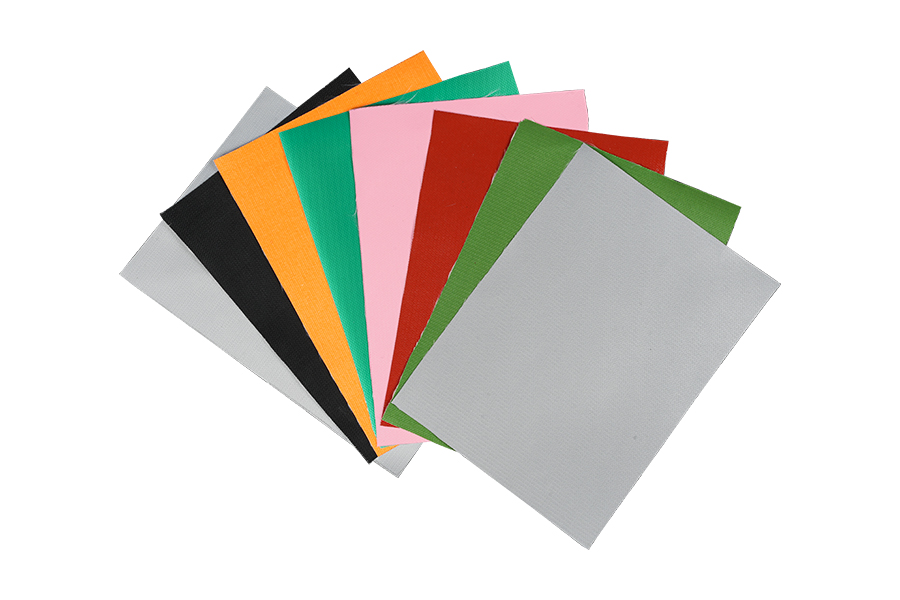
Different grades of fire-resistant fiberglass fabric are available, and each grade provides a distinct combination of temperature rating, coating chemistry, and mechanical durability.
Continuous service temperature comparison
| Fabric Grade | Continuous Temp | Peak Temp | Coating | Best Use |
| E-glass plain weave | 550°C | 600°C | None | Insulation covers, lagging |
| E-glass silicone coated | 260°C | 300°C | Silicone | Fire blankets, welding curtains |
| E-glass PTFE coated | 260°C | 300°C | PTFE | Conveyor belts, chemical plants |
| High-silica fabric | 900°C | 1000°C | None | Welding curtains, furnace seals |
| Vermiculite coated | 540°C | 650°C | Vermiculite | High-heat shielding |
 Fireproofing Industrial Fiberglass Fabric for Thermal ProtectionThis high-performance fiberglass fabric offers strength and thermal stability, ideal for protecting workers and equipment from sparks, radiant heat, and open flames in demanding industrial settings.View Product →
Fire-resistant fiberglass fabric protects workers and machinery wherever sparks, radiant heat, or open flame can damage equipment or injure personnel. It is also used in protecting pressure vessels during hydro-testing and in anti-splash curtains at metal casting stations.
In shipbuilding, foundry operations, kiln maintenance, and public building fire protection, the same fabric performs a similar job. A 3mm thick silicone-coated glass fiber blanket can reduce a 1000°C radiant heat source to a manageable 90°C after heat balancing, which is why fire safety engineers specify it for fire doors and welding booths. In petrochemical plants, the fabric wraps around flanges and valve bonnets to prevent heat loss and protect workers from contact burns. In glass forming lines, it covers molds and rollers to keep glass from sticking. Electric arc furnace operators use it to create temporary barriers that block infrared radiation and ultraviolet glare. For a deeper look into specific welding and fire protection scenarios, see our guide on fireproof fiberglass fabric applications in welding and fire protection.
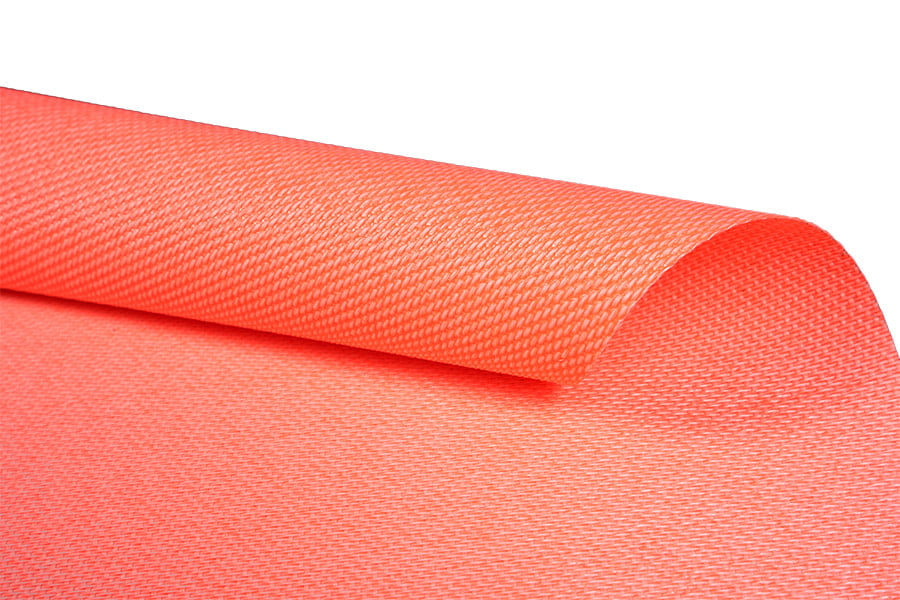 Non-Toxic Silicone Fire Blanket for High-Temperature SuppressionSilicone-coated fiberglass blanket quickly covers fire sources to block oxygen, suitable for home, kitchen, and laboratory use, and also serves as insulation in shipbuilding and foundry applications.View Product →
Selecting the right fire-resistant fiberglass fabric requires a structured evaluation of four variables: maximum operating temperature, coating chemistry, mechanical stress, and installation geometry.
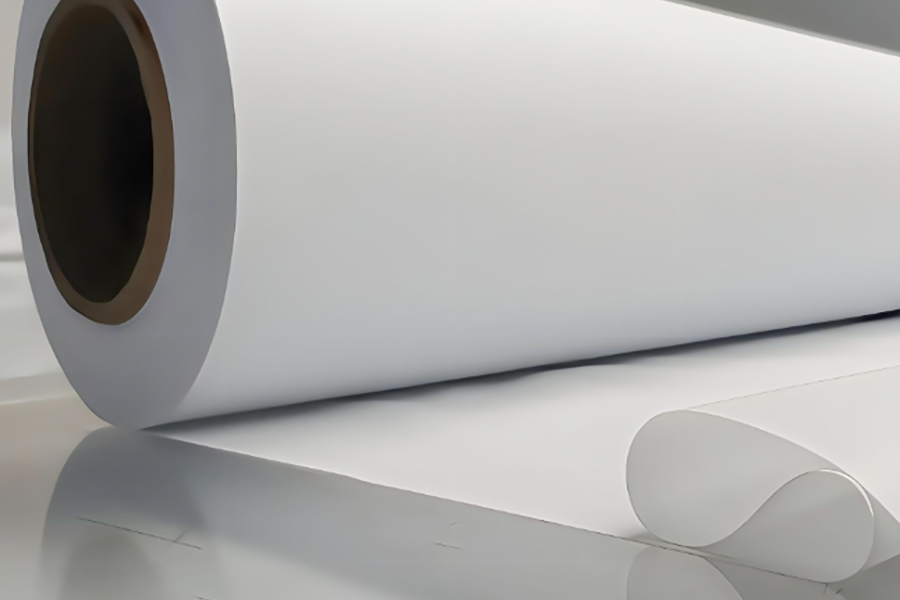
For bulk buyers, GSM and roll width matter just as much as temperature rating. Industrial grades range from 200 GSM to 800 GSM, with heavier weights offering better insulation but reduced drape and flexibility. Sample evaluation is critical. Cut a 100mm square, place it over a bunsen burner at 800°C for 10 seconds, and measure the backside temperature with a thermocouple. A certified fire-resistant fabric should show a backside temperature increase of less than 30% over the ambient reference. Also check coating adhesion: bend the fabric sharply, and no coating should flake or peel at the crease. Roll widths and stock availability are listed on our fire-resistant fiberglass cloth rolls page.
 High Silica Fiberglass Fabric for Extreme Heat ResistanceWith over 96% silicon content, this fabric withstands 1000°C continuous use, offering low thermal conductivity and chemical inertness, making it ideal for stringent fireproofing tests and industrial insulation.View Product →
Uncoated high-silica fabric withstood peak temperatures of 1000°C during short flame exposure tests. E-glass fabric is rated for 550°C continuous and 600°C peak. Coated versions are usually limited to 260-300°C by the polymer layer.
Yes. Glass fiber is an inorganic material with no flash point. It will not ignite, will not support combustion, and when exposed to heat, it releases no toxic smoke or hazardous decomposition products.
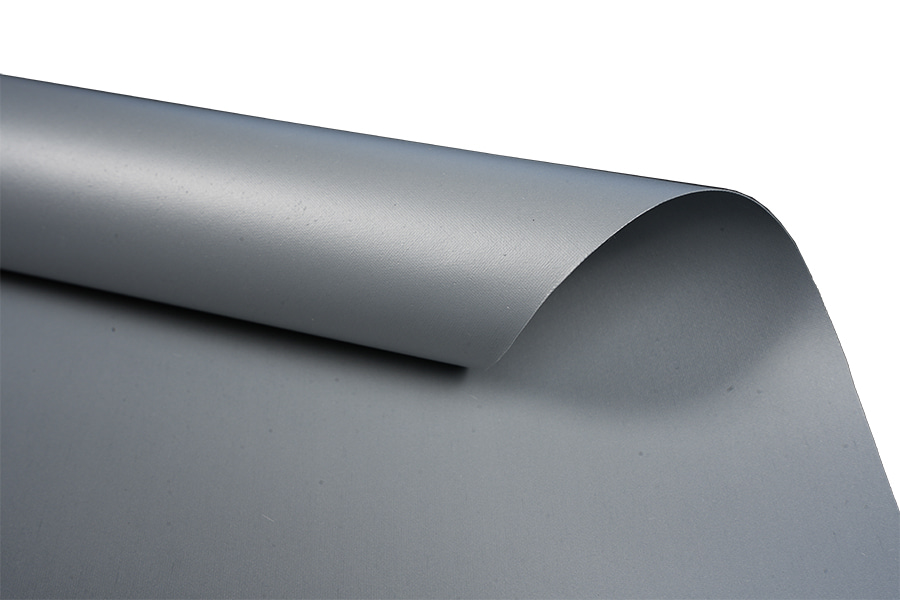
Uncoated fabric handles higher temperatures but has limited abrasion resistance. Coated fabric adds waterproofing, dust resistance, and mechanical durability but usually reduces the continuous temperature rating to 260-300°C.
Choose E-glass for general industrial protection up to 550°C. Select high-silica when process temperatures exceed 700°C or when direct flame contact is likely for extended periods. For continuous exposure above 800°C, high-silica or vermiculite-coated fabric is the safer choice.
Recommended Products
Copyright © 2025 Jiaxing Jiete New Material Co., Ltd. All Rights Reserved.
Wholesale Wide Width Fiberglass Cloth Roll Suppliers



 English
 中文简体
中文简体