2026-09-30
National Fire Protection Association data on construction-site fires consistently identifies hot work as the most common ignition source, involved in roughly one in three reported incidents. A welding spark that lands on a PVC tarpaulin gives a crew seconds to react; on a silicone coated fiberglass cover, the same spark chars the surface and stops. That is why fire-conscious contractors, facade teams, and renovation specialists specify this material for temporary protection, fire curtains, and selected interior finishes. Jiaxing Jiete New Material Co., Ltd., a manufacturer that weaves and coats the fabric in a single facility, explains how silicone coated fiberglass fabric is used in construction and how to specify it correctly.
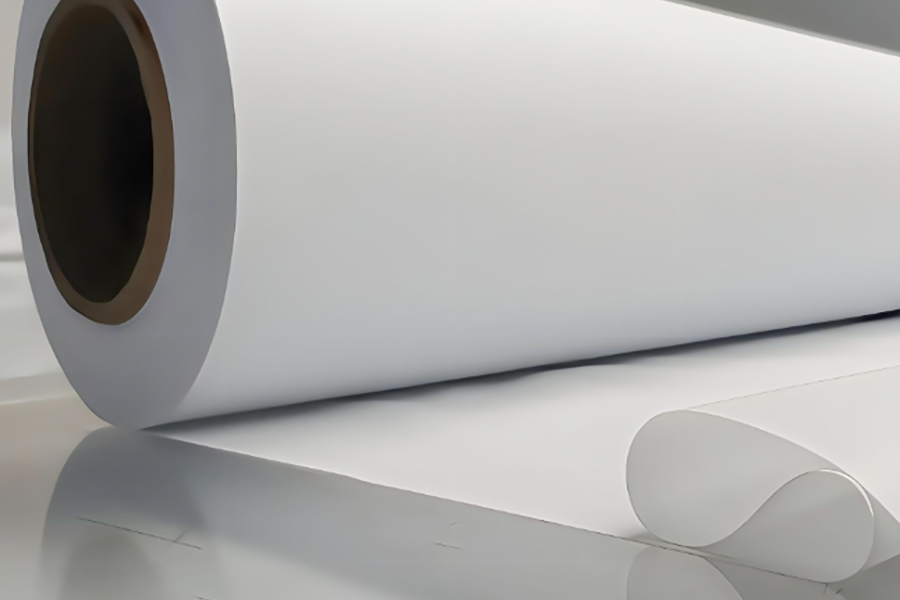
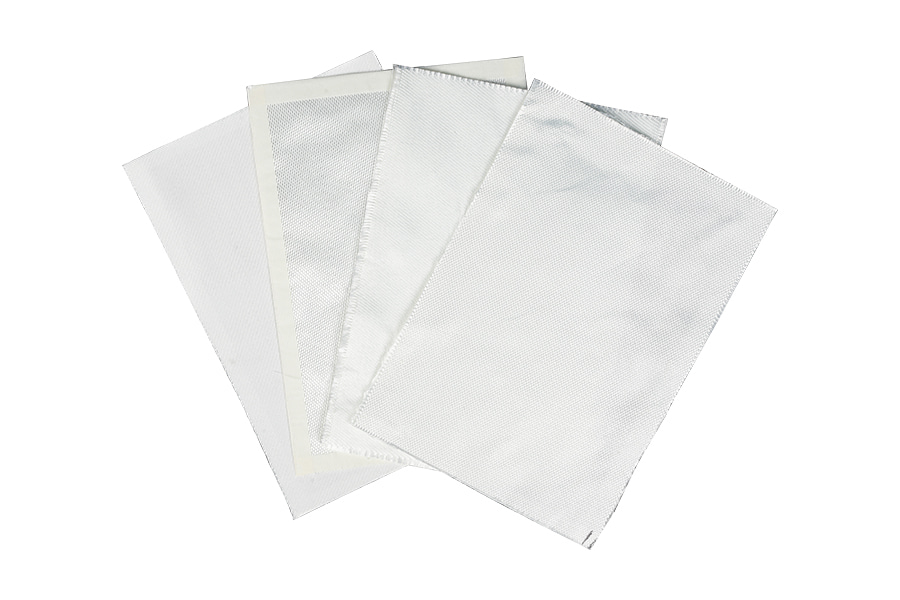
Silicone coated fiberglass fabric is a flexible composite formed by fusing a woven E-glass substrate with a continuous silicone rubber layer on both faces, giving construction teams a material that is structurally stable, waterproof, and rated for continuous heat that would quickly destroy PVC coatings.
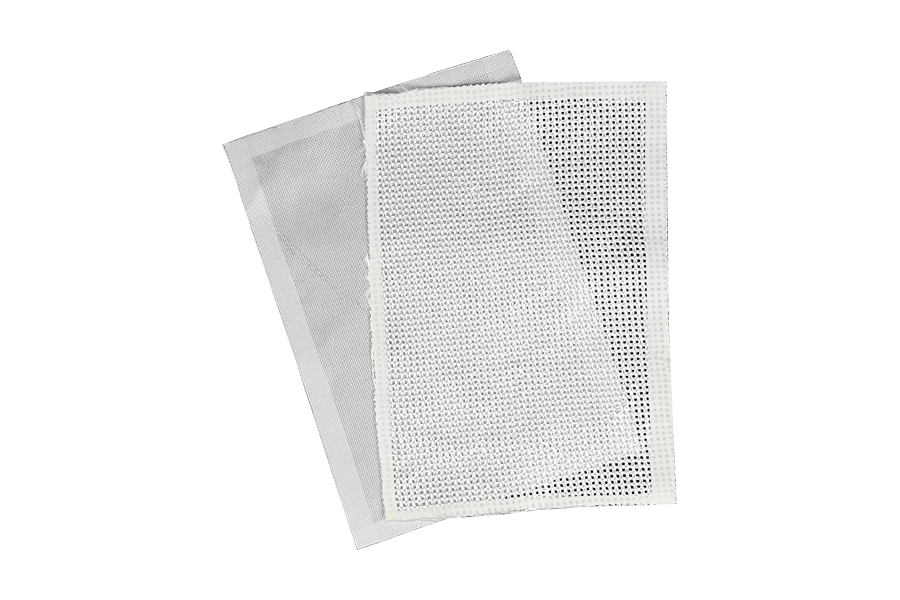
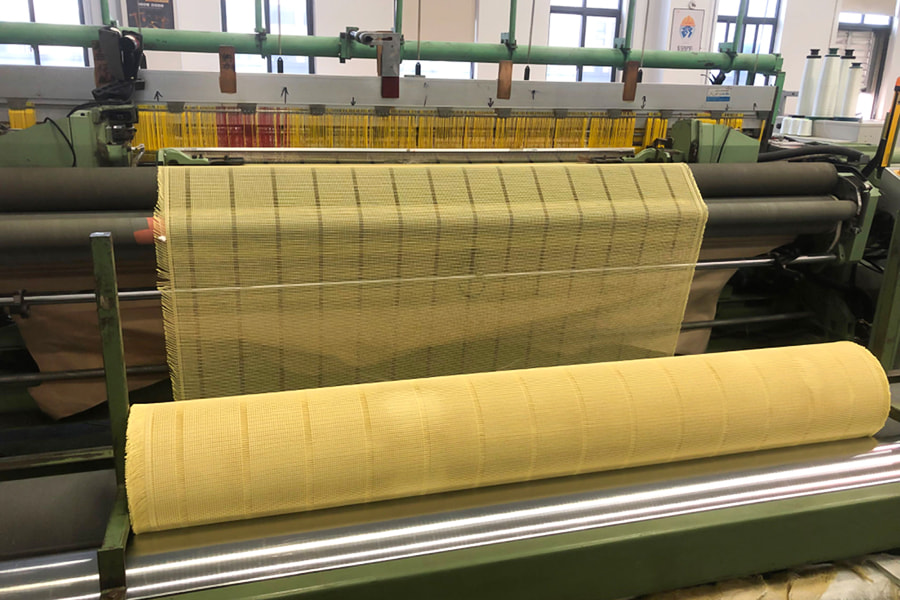
The base is a plain-weave E-glass cloth, typically 300 to 1,300 g/m2, woven on rapier looms from sized yarns. The cloth then passes through a coating line where silicone rubber is applied, cured, and calendered so the coating penetrates the weave without leaving pinholes. The result is a single material, not a laminate that can delaminate under folding stress.
The glass fabric does the mechanical work: it carries the tensile load, resists tearing, and remains a stable sheet even after the coating chars. The silicone does the environmental work: it seals moisture, blocks UV from reaching the glass, stays flexible at low temperature, and slows heat transfer.
For construction fire safety, silicone coated fiberglass fabric is used in four roles: welding blankets, fire containment curtains, insulation wraps for steel and ducts, and fire suppression blankets.
A welding blanket made from silicone coated fabric is draped over scaffolding planks, cable trays, and finished surfaces below a hot-work zone. When sparks hit it, the coating chars locally instead of igniting, and the blanket can be brushed clean and reused. On occupied renovation sites, fire containment curtains made from the same fabric seal lift openings and stairwells, slowing smoke and flame spread between floors long enough for occupants to relocate.
For steel columns and HVAC ducts that pass through fire-rated compartments, silicone coated fabric is wrapped and secured in multiple layers. The glass core keeps the wrap intact during a fire, and the silicone holds the layers together without adhesives that soften at temperature. Fire suppression blankets stored in kitchens and plant rooms are the same material in a higher areal weight with reinforced edges. Manufacturers such as Jiaxing Jiete supply these as non-toxic silicone fire blankets with sewn fiberglass binding.
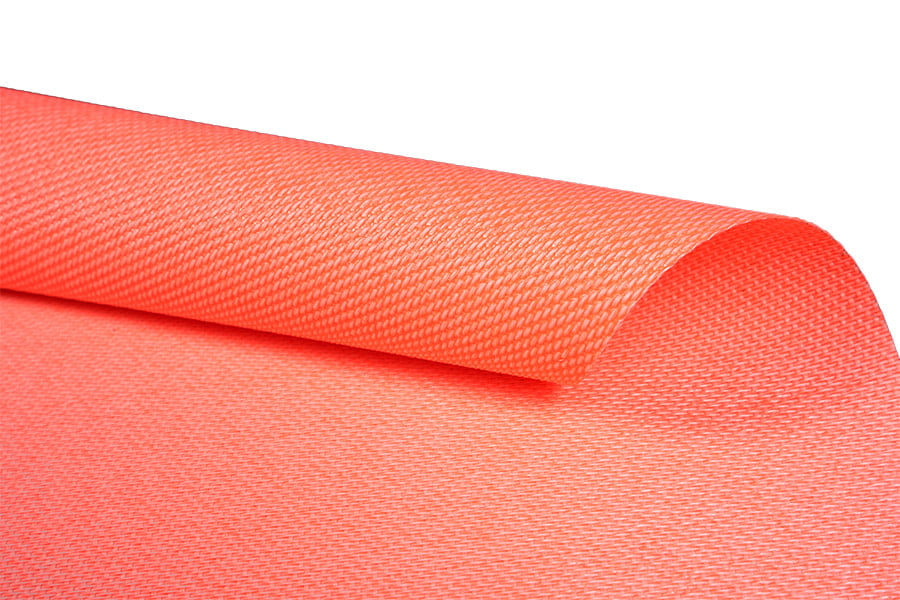 Wholesale Non-toxic silicone fire blanket - High temperature resistant fire suppJiaxing Jiete New Material Co., Ltd China Wholesale Non-toxic silicone fire blanket - High temperature resistant fire suppression mat Sup...View Product →
Silicone coated fiberglass fabric is specified for site enclosures and tarpaulins when the job combines heat, UV exposure, and fire risk, because it keeps working in conditions that soften PVC and degrade polyester.
Scaffold enclosures on facade work, protective covers over roofing materials and insulation stockpiles, and flexible closures around hoist openings all need a fabric that stays waterproof after months of sun and does not become a fire load during nearby welding. Silicone coated fabric also performs well as a concrete curing cover: a light-colored top reflects solar heat, while the vapor barrier keeps moisture in the slab.
For outdoor site covers, a UV-stabilized formulation matters. Our UV-resistant waterproof silicone tarpaulin for outdoor use is built for scaffold wraps, equipment covers, and material storage where a PVC tarp would crack or soften within a season.
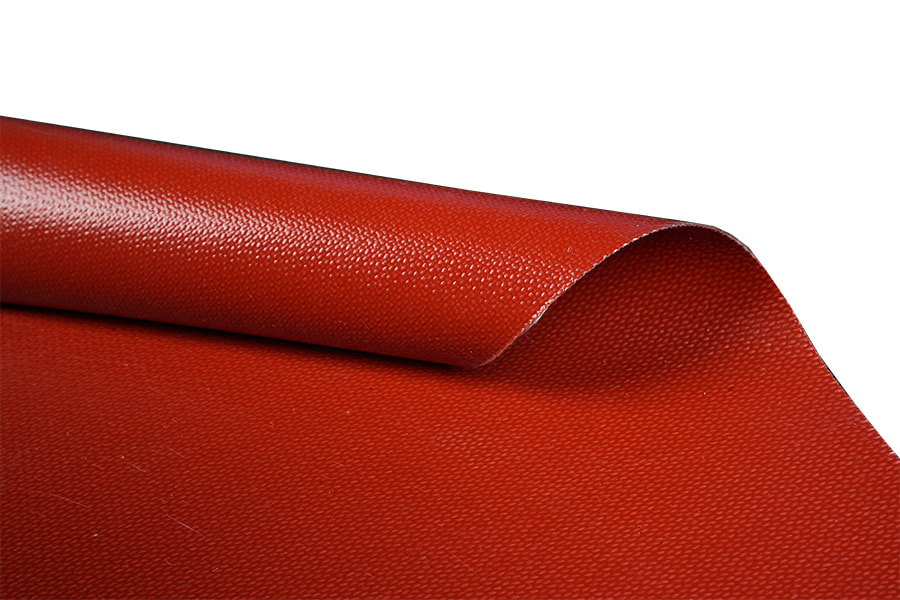 Wholesale UV resistant waterproof silicone tarpaulin - for outdoor use SupplierJiaxing Jiete New Material Co., Ltd China Wholesale UV resistant waterproof silicone tarpaulin - for outdoor use Suppliers and Exporter,...View Product →
Inside the building envelope, silicone coated fiberglass fabric appears in suspended ceiling panels, duct insulation facings, and decorative wall systems that must carry a fire classification without adding smoke load.
Decorative fireproof ceiling panels are a growing use: the silicone face is paintable and washable, the edge treatment is clean, and the panel meets ceiling fire ratings without metal facings. On the mechanical side, HVAC duct insulation is wrapped with the same fabric so that a duct fire does not propagate to adjacent compartments, and the low smoke contribution of silicone keeps corridor conditions more tenable during evacuation.
| Fabric type | Continuous heat rating | Low-temperature behavior | UV resistance | Typical construction role |
| Silicone-coated fiberglass | 260°C | Flexible to -70°C | Good with UV stabilizers | Fire blankets, covers, ceiling panels, duct wraps |
| PTFE-coated fiberglass | 260°C | Flexible to -73°C | Excellent, self-cleaning | Permanent architectural membranes, canopies |
| PVC-coated fiberglass | 70°C | Stiffens near -20°C | Fair, plasticizer loss | Budget tarps, short-term screens, ducting |
| Plain E-glass fabric | 550°C (fiber) | Brittle, not sealed | Degrades if wet | Fire barriers, high-temperature insulation backing |
PTFE membranes remain the first choice for permanent tensile structures; for everything behind the facade, silicone coated fabric reaches the same 260°C class at lower cost and with better fold flexibility. Jiaxing Jiete produces decorative fireproof ceiling panels in this material, combining the fire classification with a clean, paintable surface.
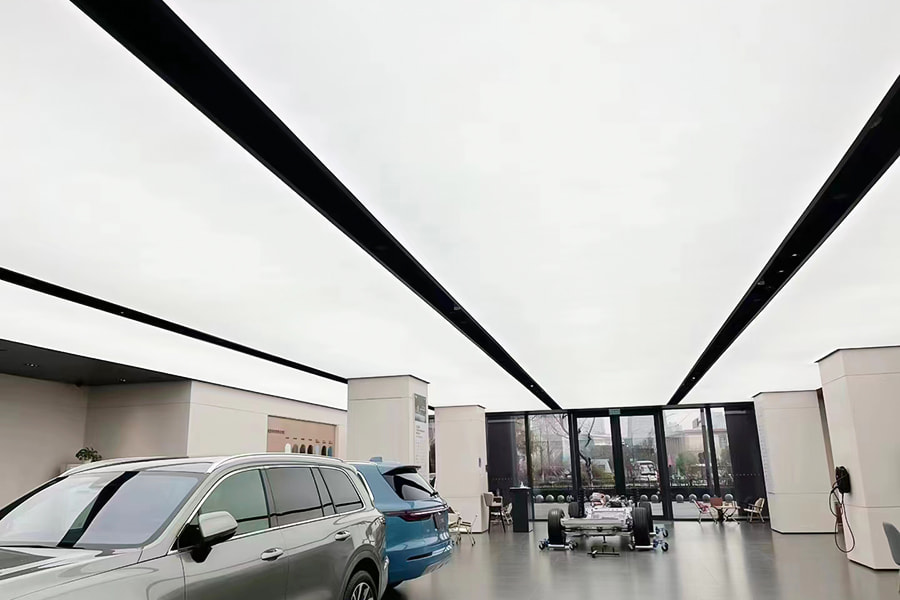 Wholesale Silicone Coated Fiberglass Decorative Fireproof Ceiling Suppliers, ExpJiaxing Jiete New Material Co., Ltd China Wholesale Silicone Coated Fiberglass Decorative Fireproof Ceiling Suppliers and Exporter, Firep...View Product →
A construction specification for silicone coated fiberglass fabric is complete when five parameters are fixed: temperature rating, areal weight, tensile strength, coating formulation, and fire classification.
Ratings are typical continuous limits for building-grade 500-900 g/m2 fabrics; short-term excursion capacity is higher.
The full relationship between application performance and fabric construction is covered in our engineering roundup of functional fiberglass fabric specifications and uses.
Continuous service is usually rated at 260°C, with short-term excursions above 300°C acceptable in most formulations. The glass substrate softens only near 830°C, which is why the practical limit is set by the silicone, not the glass.
No textile is literally fireproof. Realistic claims are flame-retardant and non-dripping: the silicone chars, the glass fabric holds the sheet together, and the material does not melt or spread burning droplets. That combination is what earns it a place in fire-rated construction details.
Both carry a continuous rating near 260°C. PTFE offers better chemical resistance, self-cleaning surfaces, and longer UV life, which suits permanent architectural membranes. Silicone costs less, folds more easily, and bonds better into blankets and curtains, which suits temporary protection and interior fire-rated elements.
With UV-stabilized silicone, outdoor service life is typically several years as a tarpaulin or enclosure cover; the exact figure depends on climate, coating thickness, and tensioning. For permanent outdoor structures, PTFE membranes remain the better engineering choice.
Between the cheap tarpaulin and the premium structural membrane sits the construction role silicone coated fiberglass fabric was made for: fire protection, high heat, and weather resistance in one flexible sheet. Specify the exposure first, verify the data sheet, and let the material do the rest.
Recommended Products
Copyright © 2025 Jiaxing Jiete New Material Co., Ltd. All Rights Reserved.
Wholesale Wide Width Fiberglass Cloth Roll Suppliers



 English
 中文简体
中文简体