


 English
 中文简体


Fiberglass Cloth for Reinforced Plastic Panels
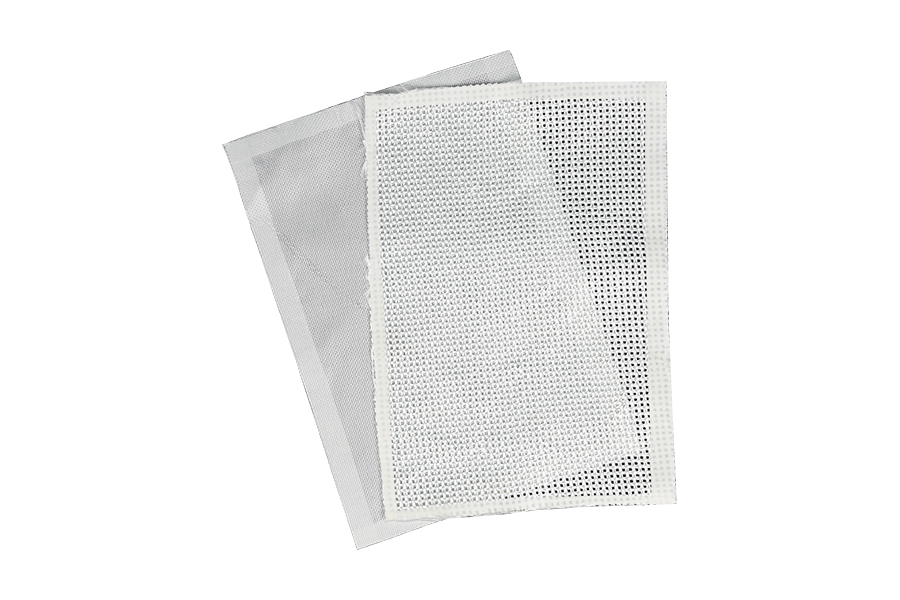
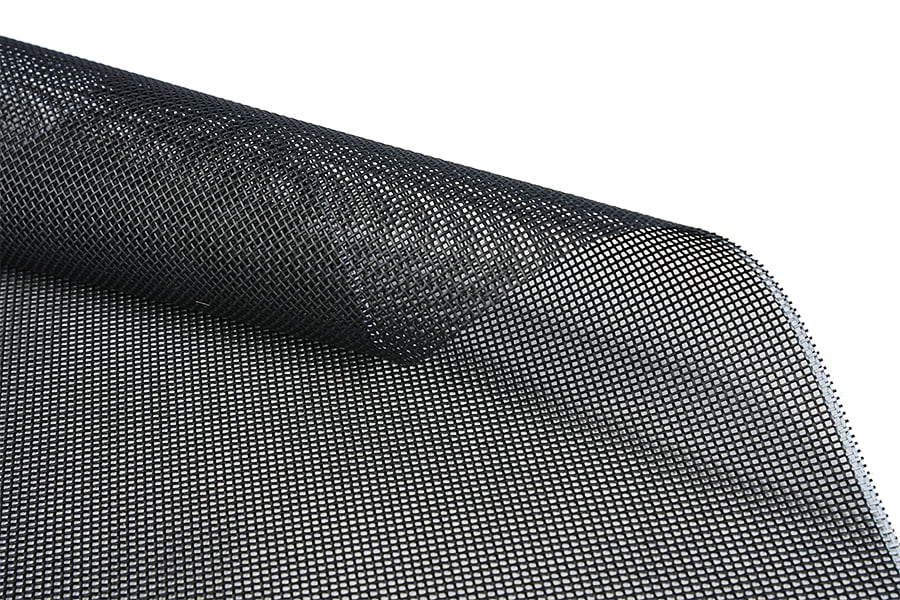
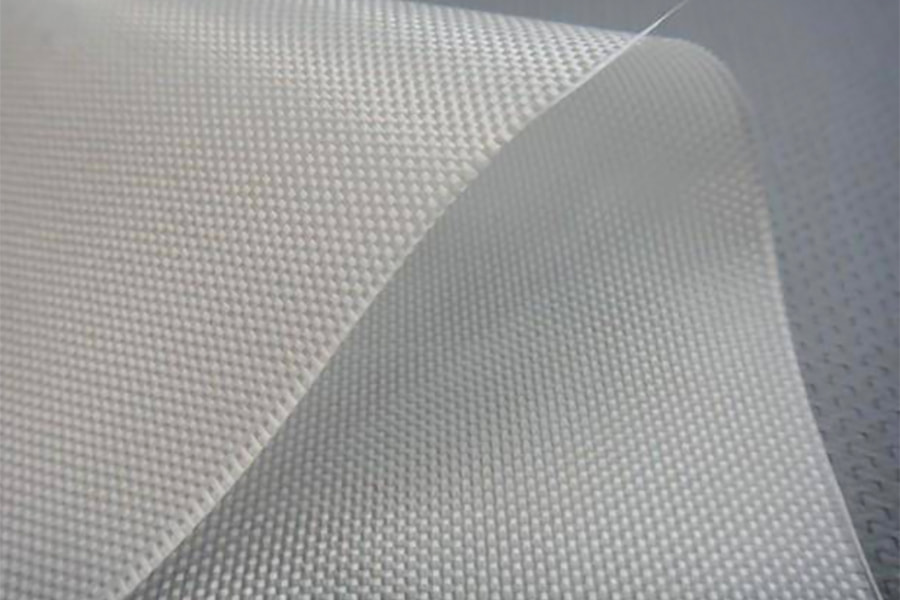
Fiberglass cloth for reinforced plastic panels is a woven reinforcement material used in the production of fiber-reinforced plastic (FRP) sheets, flat panels, and molded composite components. Integrated with a compatible resin matrix, the fabric helps distribute mechanical loads across the panel and contributes to its structural integrity, dimensional behavior, and surface consistency.
The fabric specification is selected according to the panel's thickness, reinforcement architecture, resin system, manufacturing method, and intended service environment. Plain weave and twill weave constructions, different fabric weights, and customized widths can be considered for different panel designs. During material selection, manufacturers should evaluate not only the dry fabric properties but also resin wet-out, laminate consolidation, fiber orientation, and the performance requirements of the finished panel.
Reinforcement arrangement and layer sequence
Wetting, adhesion, and curing behavior
Strength, thickness, surface, and service conditions
Role of Woven Fiberglass in FRP Panel Production
Reinforced plastic panels combine a polymer matrix with fibrous reinforcement. The resin binds the reinforcement layers together, transfers stress between fibers, and forms the panel's overall shape. Fiberglass cloth provides continuous woven reinforcement in two principal directions, making it suitable for panel constructions that require controlled fiber placement.
In a typical laminate, multiple fabric layers may be arranged in a specified sequence before resin impregnation and consolidation. The number of layers, fabric orientation, resin content, and curing conditions determine the final laminate structure. A single fabric specification cannot define the performance of every FRP panel because the finished properties depend on the complete composite system.
Fiberglass reinforcement provides the textile structure, while the resin matrix binds the layers and transfers loads through the finished panel.
Typical Fiberglass-Reinforced Panel Structure
The following is a conceptual cross-section of a multilayer FRP panel. Actual layer arrangements depend on panel design, resin selection, surface requirements, and production technology.
Weave Options for Reinforced Plastic Panels
| Fabric Construction | Structural Characteristics | Selection Considerations |
|---|---|---|
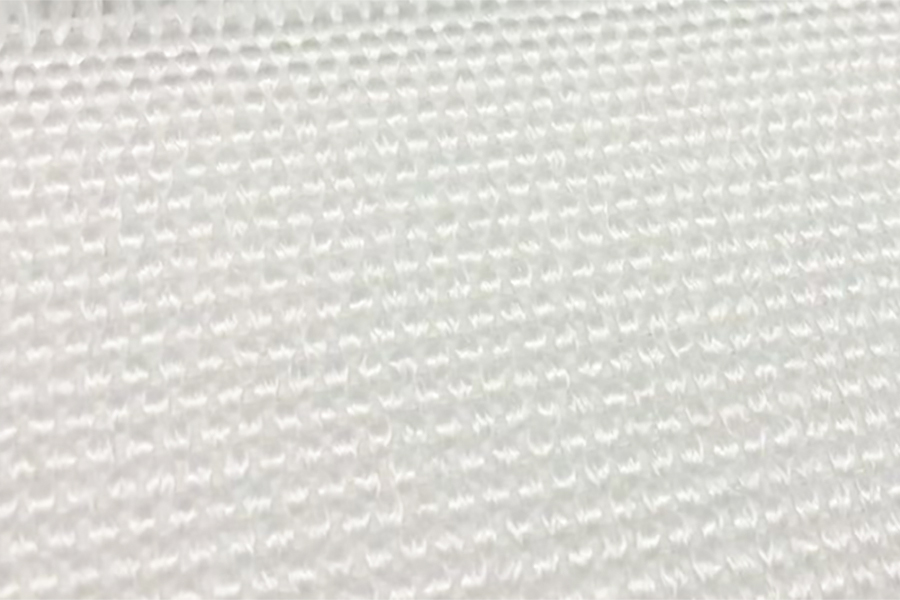
| Plain Weave Fiberglass Cloth | Interlaced warp and weft yarns create a regular fabric structure with frequent yarn crossings. | Consider when fabric stability and consistent handling are important during panel lay-up. |
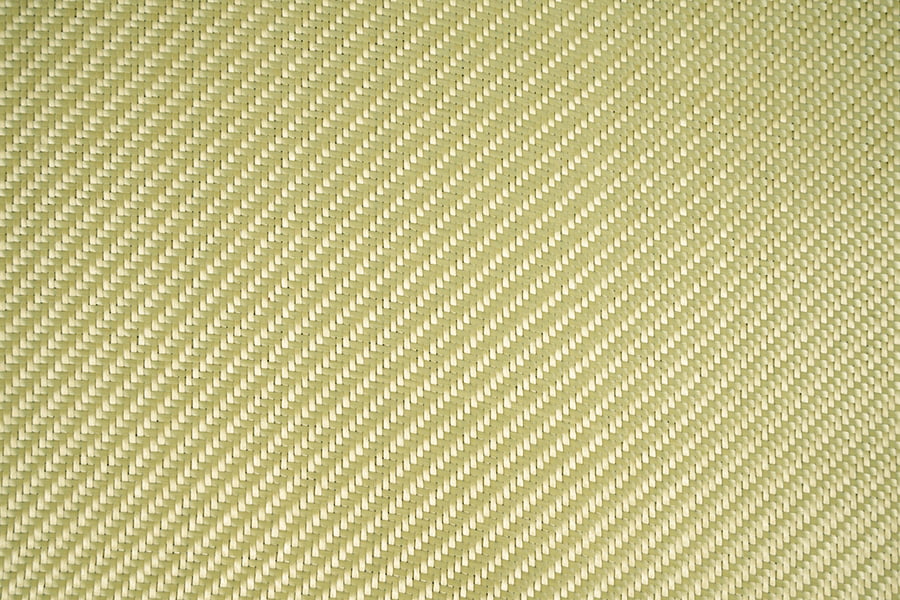
| Twill Weave Fiberglass Cloth | Yarns pass over and under multiple yarns in a repeating diagonal pattern. | Can be evaluated when drapability and surface conformity are important to the panel geometry. |
| Customized Woven Construction | Fabric parameters are adjusted to a specified reinforcement design. | Requires agreement on yarn type, density, weight, width, and production tolerances. |
Fabric Specifications to Define Before Production
The reinforcement fabric should be specified in relation to the finished panel requirements. For repeat production, agreed tolerances and inspection methods help maintain consistency between material batches.
Buyers can provide an existing fabric specification or a panel sample for technical evaluation. Any proposed adjustment should be checked against the resin system and the panel manufacturing process.
Matching Fiberglass Cloth with Panel Resin Formulations
Unsaturated Polyester Resin
Commonly used in various FRP panel manufacturing processes. Fabric sizing and construction should support resin wet-out and the required laminate consolidation conditions.
Vinyl Ester Resin
Used in selected composite panels where the resin formulation is chosen for the intended chemical and mechanical environment. Reinforcement compatibility should be validated with the specific formulation.
Epoxy Resin
Applied in panel systems requiring an epoxy matrix. The glass fabric sizing, resin viscosity, impregnation behavior, and curing cycle should be considered together.
Phenolic Resin
Used in selected FRP applications with specific fire, thermal, or electrical design requirements. Suitability depends on the resin grade, fabric treatment, and verified finished-panel performance.
Resin compatibility is not determined by the resin name alone. Formulation, sizing chemistry, processing temperature, impregnation conditions, and curing parameters all influence the final interface.
From Dry Fiberglass Fabric to Finished FRP Panel
Fabric Preparation
Inspect the incoming cloth, confirm roll dimensions, and prepare the required reinforcement layers.
Resin Impregnation
Apply or introduce the selected resin system according to the chosen panel production method.
Layer Arrangement
Position the impregnated fabric layers and establish the specified reinforcement orientation.
Consolidation and Curing
Control pressure, temperature, and curing conditions according to the resin and panel process.
Panel Inspection
Check dimensions, surface condition, laminate integrity, and agreed mechanical properties.
Continuous lamination, hand lay-up, vacuum-assisted processes, and press molding use different material handling and consolidation conditions. Fabric suitability should be verified using the actual production route.
Reinforced Plastic Panel Applications
Used in selected panel systems for interior partitions, protective wall surfaces, and composite cladding components.
Applied in composite covers, housings, partitions, and other fabricated panel components.
Used in selected lightweight composite panel structures, subject to vehicle-specific mechanical and regulatory requirements.
Used as reinforcement in certain composite panel skins for controlled environments and equipment structures.
Selected for panel and shell constructions where the fabric architecture matches the part geometry and design loads.
Inspection Points for Fiberglass Reinforcement Fabric
Weaving Condition
Review yarn breakage, fabric distortion, contamination, and visible weaving defects.
Specification Compliance
Verify areal weight, thickness, width, and warp and weft density against agreed tolerances.
Fabric Strength
Check tensile properties using agreed test methods and sampling requirements.
Resin Wet-Out Evaluation
Conduct application trials to assess impregnation, handling, and compatibility with the selected matrix.
What to Include in an FRP Panel Fabric Inquiry
A detailed inquiry helps the supplier evaluate fabric construction against the panel manufacturer's actual production requirements. Where possible, provide a technical datasheet, existing fabric sample, or laminate specification for comparison.
Frequently Asked Questions
What is the function of fiberglass cloth in reinforced plastic panels?
Fiberglass cloth provides woven reinforcement within the resin matrix. It helps distribute loads across the laminate and contributes to the structural properties and dimensional behavior of the finished panel.
Which weave is commonly used for FRP panels?
Plain weave and twill weave are two options. Plain weave provides a regular interlaced structure, while twill weave has a different yarn arrangement and may offer improved drapability in some applications. The final selection depends on panel geometry and production conditions.
Can fiberglass cloth be used with polyester and epoxy resin?
Yes, fiberglass cloth is used in both polyester- and epoxy-based composite systems. However, sizing and surface treatment should be compatible with the specific resin formulation and curing process.
How does fabric weight affect FRP panel production?
Fabric weight affects the amount of reinforcement introduced per unit area and can influence laminate thickness, resin demand, and the number of layers required. It should be selected as part of the overall laminate design rather than as an isolated parameter.
Can fiberglass cloth be customized for different panel dimensions?
Fabric specifications can be discussed according to required width, weight, weave construction, yarn arrangement, and other agreed parameters. Final availability and tolerances should be confirmed with the manufacturer.
Does fiberglass cloth determine the strength of the finished FRP panel?
No. Fabric properties are one part of the composite design. Finished panel strength also depends on fiber volume fraction, resin formulation, layer orientation, bonding quality, void content, curing conditions, and panel geometry.