2026-08-26
A maintenance supervisor needs a welding curtain that keeps working after years of sparks and molten splatter. A design engineer needs removable insulation jackets that stay flexible, waterproof, and reusable around hot equipment. Both are specifying the same material class: silicone coated fiberglass fabric.
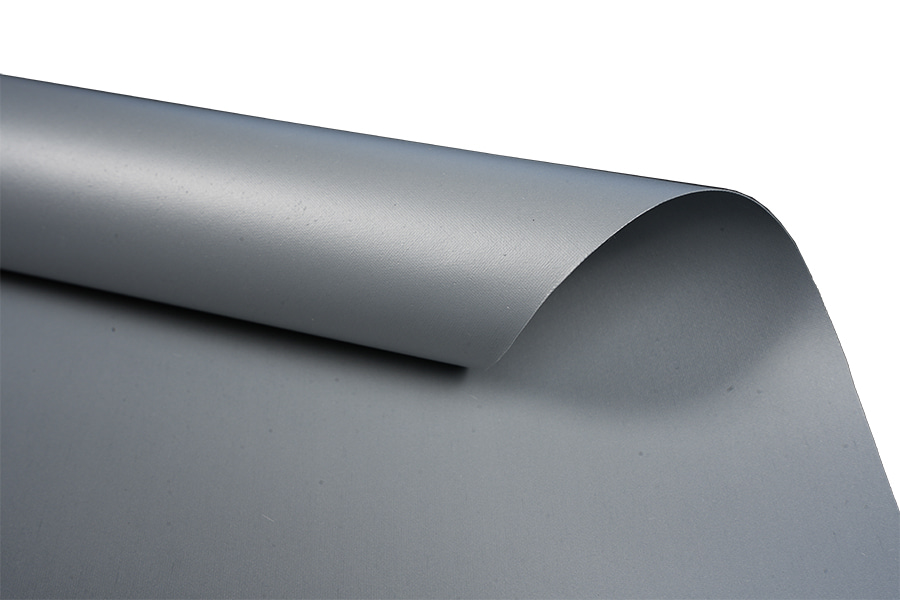
The short version is that silicone coated fiberglass fabric is a woven glass substrate with a cured silicone coating on one or both sides, and it combines high-temperature stability, flame resistance, flexibility, and weather protection better than most industrial textiles. What separates a specification that lasts for years from one that fails in months is how well the base fabric and the coating work together.
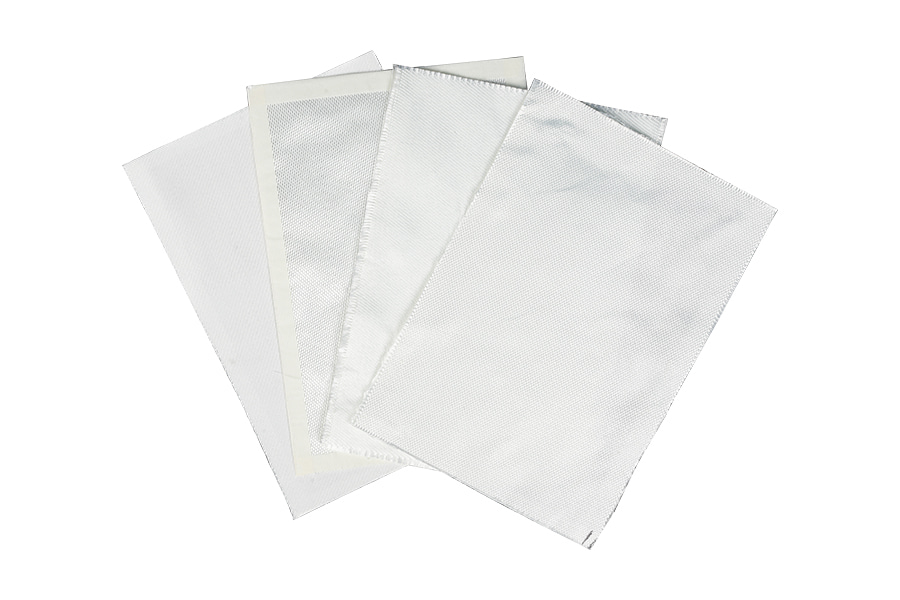
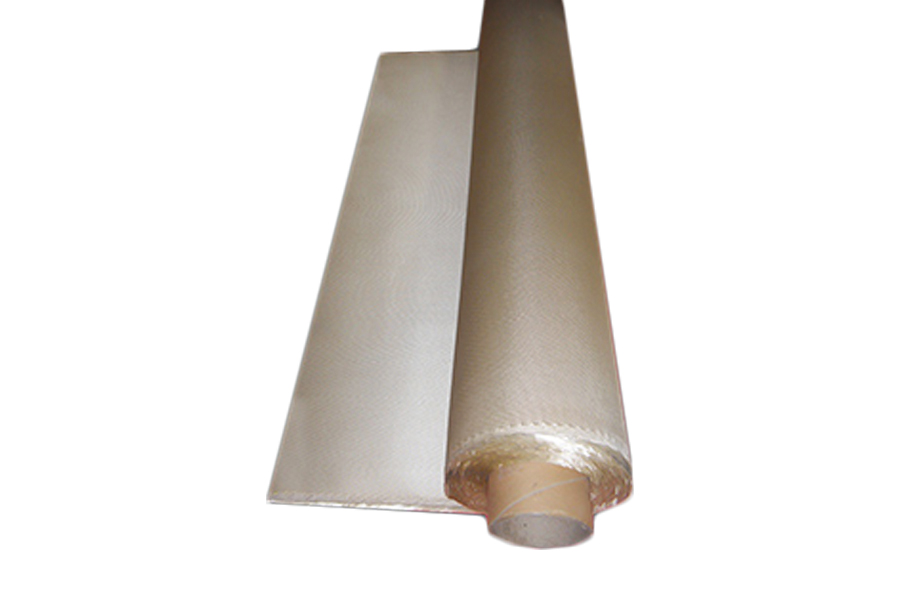
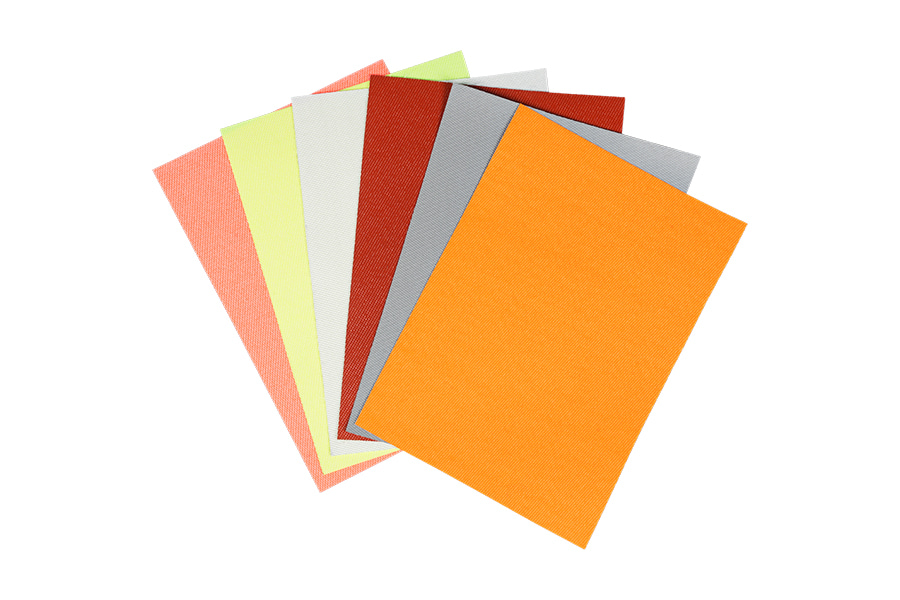
Silicone coated fiberglass fabric starts as continuous glass filaments twisted into yarn and woven into a stable textile. The glass supplies tensile strength, dimensional stability, and heat tolerance far beyond any organic fiber. The silicone coating, normally a heat-cured rubber or resin system, seals the surface, prevents fiber-to-fiber abrasion, and adds water repellency, chemical resistance, and electrical insulation.
The finished composite handles continuous service from roughly -60°C to 250°C, with short excursions toward 500°C or higher on many grades. The glass does not burn, and flame-retardant silicone is formulated to self-extinguish. That combination explains why the material appears in fire blankets, welding protection, insulation jacketing, and heat-containment systems across many industries.
Most buyers start with one requirement, usually heat resistance, and then discover that the fabric must do several jobs at once. These properties matter most in practice:
| Property | Typical Range | Why It Matters |
|---|---|---|
| Continuous service temperature | -60°C to 250°C | Long-term survival in insulation and heat-containment use |
| Intermittent peak temperature | Up to 500°C or higher for short exposure | Spark splash, flame impingement, and thermal spikes |
| Flame behavior | Glass is non-combustible; silicone coating is self-extinguishing | Required for fire blankets, welding curtains, and protective covers |
| Tensile strength | About 200 to 3500 N per 50 mm depending on construction | Load capacity in curtains, belts, and stressed covers |
| Release surface | Low-energy silicone surface resists sticking | Conveyors, release liners, and process surfaces |
| Moisture and chemical resistance | Waterproof; resists most acids, oils, and alkalis | Prevents glass degradation and extends service life outdoors |
| Electrical insulation | High dielectric strength | Wrapping and arc-protection applications |
Temperature rating alone does not predict whether a fabric will survive the mechanical and environmental conditions of your job. A heavy welding curtain needs strength; an insulation jacket needs flexibility; a conveyor belt needs release and dimensional stability.
The woven glass is the structural backbone of the composite. Weave, weight, and yarn quality change the behavior of the final coated material more than most first-time buyers expect.
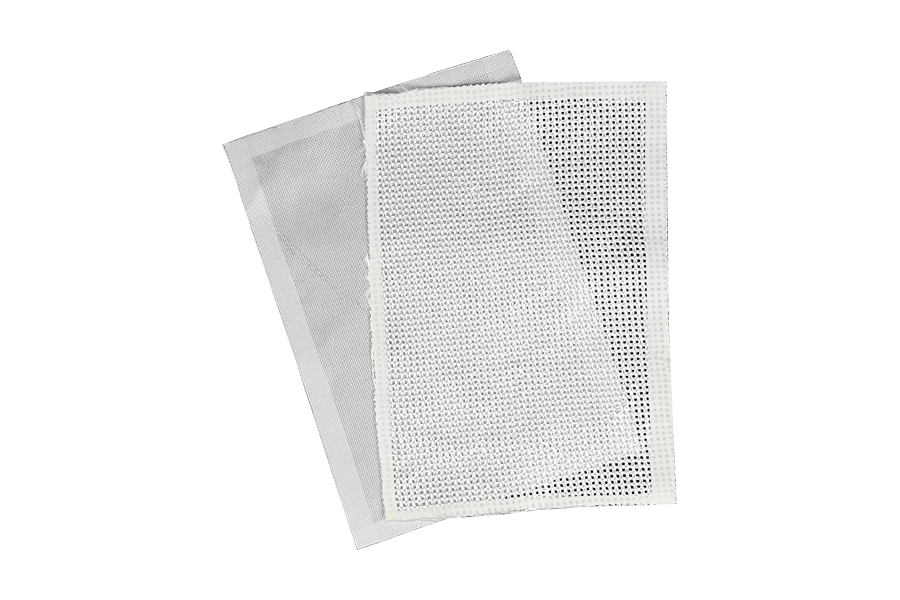
Plain weave is the default choice: dimensionally stable, tight-edged, and easy to coat evenly. Twill weave is softer and more drapable, which helps when the fabric must conform to curved equipment or be sewn into complex shapes. Leno and mesh weaves remain breathable and suit expansion joints and reinforcement applications.
Weight, measured in grams per square meter, is the fastest indicator of strength and stiffness. Lightweight fabrics around 200 to 400 g/m² are flexible and easy to sew. Mid-weight fabrics from 400 to 800 g/m² cover most welding, insulation, and fire-blanket work. Heavy constructions above 800 g/m² provide the highest tear and abrasion performance for large curtains and demanding industrial covers.
Yarn must be free of broken filaments and produced under consistent tension, because surface defects become weak points where coating adhesion fails and cracks begin. Texturized or beta yarn improves drape and reduces irritation during handling. A manufacturer that controls yarn quality from the start delivers coated fabric with fewer pinholes and better long-term integrity.
Not all silicone coatings behave the same. Silicone rubber coatings are thick and elastic, giving the fabric flexibility, abrasion resistance, non-stick behavior, and a fully sealed surface. This makes them the standard for welding blankets, conveyor belts, and insulation jackets. Silicone resin coatings are thinner and harder. They withstand higher continuous temperatures and produce a smoother finish, but the fabric becomes stiffer and more prone to surface cracking under repeated flexing.
Coating weight matters as much as coating type. A light coating of 50 to 100 g/m² adds a protective skin without changing flexibility much. Heavier coatings above 200 g/m² create a rubber-like surface for aggressive abrasion and release requirements. Double-sided coating is the right choice whenever both faces meet moisture, chemicals, or mechanical wear.
Choose a silicone rubber coating unless your temperature or chemical profile clearly demands a resin system. Rubber delivers the durable flexibility that most industrial users expect from silicone coated fiberglass.
The same material appears in very different environments, which is why construction and coating specifications vary widely.
Welding blankets and spark curtains block radiant heat, catch spatter, and meet factory fire-safety expectations. Fire blankets smother small fires and can be wrapped around a person whose clothing has ignited. The same construction shows up in heat shields, boiler insulation, and exhaust wrapping.
Turbines, valves, steam pipes, and diesel engines need frequent maintenance, and rigid insulation gets in the way. Silicone coated fiberglass jackets can be removed, refitted, and reused many times. The silicone surface sheds oil, water, and dirt, so the jackets keep performing in dirty plant environments.
The low-friction, heat-resistant silicone surface works well on conveyor belts for food processing, resin curing, and heat sealing. The material also acts as a release liner in composite molding and adhesive processes, where sticking would stop production.
In ventilation and exhaust systems, the fabric absorbs thermal expansion and vibration at connections where metal-to-metal joints would fail. Low air permeability and chemical resistance make it a practical choice for flexible connectors on fans, blowers, and drying equipment.
Silicone resists UV light, moisture, and temperature swings, so coated fabric is used for valve covers, pump covers, and outdoor canopies that must stay flexible while exposed to weather.
Start with the worst-case temperature, not the average. A fabric that sees 260°C for eight hours a day needs a different silicone formulation than one that only faces occasional flame contact. Consider the heated side, the cool side, and the ambient temperature; each affects real performance.
Measure tensile and tear requirements from the actual installation. A curtain suspended from a frame carries its own weight plus wind or impact loads. A jacket under seam tension needs higher tear strength, which points toward heavier fabric or twill weaves.
Outdoor use requires UV-stable silicone and a fully sealed surface so water never reaches the glass. Chemical plants need coatings matched to the specific acids or solvents present. Food-contact applications require verified coating compliance.
| Application | Recommended Starting Point | Verify Before Ordering |
|---|---|---|
| Welding blankets and spark curtains | Mid-weight plain or twill weave, double-sided silicone rubber coating | Flame resistance, tear strength, edge stability |
| Removable insulation jackets | Soft, drapable mid-weight fabric with elastic silicone coating | Low-temperature flexibility, water resistance |
| Non-stick conveyor surfaces | Heavy fabric with a thick, smooth silicone rubber surface | Release performance, surface uniformity, temperature rating |
| Expansion joints and duct connectors | Coated fabric with reinforcing mesh or leno weave | Flexibility, chemical compatibility, air tightness |
| Outdoor protective covers | UV-stable silicone coating with fully sealed edges | Waterproofness, UV resistance, dimensional stability |
A specification that includes temperature, fabric weight, coating type, tear strength, and edge treatment always generates better quotations than a vague request for heat-resistant fabric.
Because silicone coated fiberglass fabric is made in two stages, the best results come from producers who control both. A manufacturer that weaves its own glass fabric can adjust yarn, tension, weave density, and width to suit the coating line. This integrated approach avoids mismatched tension, uneven coating pickup, and inconsistent widths that appear when fabric and coating come from different sources.
Ask about coating methods and process control. A uniform coating depends on precise metering, controlled curing, and inspection for pinholes and bubbles. Check whether the supplier can slit, cut, sew, and finish edges; a straight, reinforced edge often determines how long a welding curtain or insulation jacket lasts in service.
Supplier communication matters as well. Custom widths and custom coating formulations are normal in this industry, so a good supplier will ask about your temperature profile, mechanical loads, environment, and installation method before recommending a construction. That process turns a generic material into a reliable component of your own product.
Silicone coated fiberglass fabric earns its place in industrial textiles because it balances heat resistance, flexibility, environmental protection, and predictable cost. The right grade depends on the temperature profile you actually face, the mechanical stress of your installation, and the environment where the fabric must survive. Start with those three inputs, compare constructions and coating types, and work with a manufacturer that controls both weaving and coating from yarn to finished roll.
Recommended Products
Copyright © 2025 Jiaxing Jiete New Material Co., Ltd. All Rights Reserved.
Wholesale Wide Width Fiberglass Cloth Roll Suppliers



 English
 中文简体
中文简体