2026-06-04
In the world of industrial filtration, thermal insulation, and composite reinforcement, few materials offer the combination of heat resistance, chemical stability, and structural integrity found in Fiberglass Filter Fabric. This engineered textile, woven from continuous glass filaments, serves as a critical component in applications ranging from molten metal filtration to high-temperature gas cleaning and fire protection systems.
Unlike organic filter media that degrade under extreme conditions, fiberglass filter fabric maintains its dimensional stability and mechanical strength at temperatures exceeding 500°C (932°F). This unique property makes it indispensable in industries such as steel manufacturing, chemical processing, cement production, and even environmental pollution control.
This comprehensive guide explores the material science behind fiberglass filter fabric, its manufacturing processes, key performance metrics, application-specific configurations, and maintenance best practices. Whether you are an engineer specifying filtration media or a procurement professional evaluating options, this technical deep dive provides actionable insights.
Fiberglass Filter Fabric is a woven textile made from fine glass fibers, typically ranging from 5 to 15 micrometers in diameter. These fibers are produced by extruding molten glass through precision bushings, then drawing into continuous filaments. The resulting fabric combines the inherent properties of glass—high tensile strength, low elongation, and excellent thermal resistance—with the flexibility and permeability required for filtration applications.
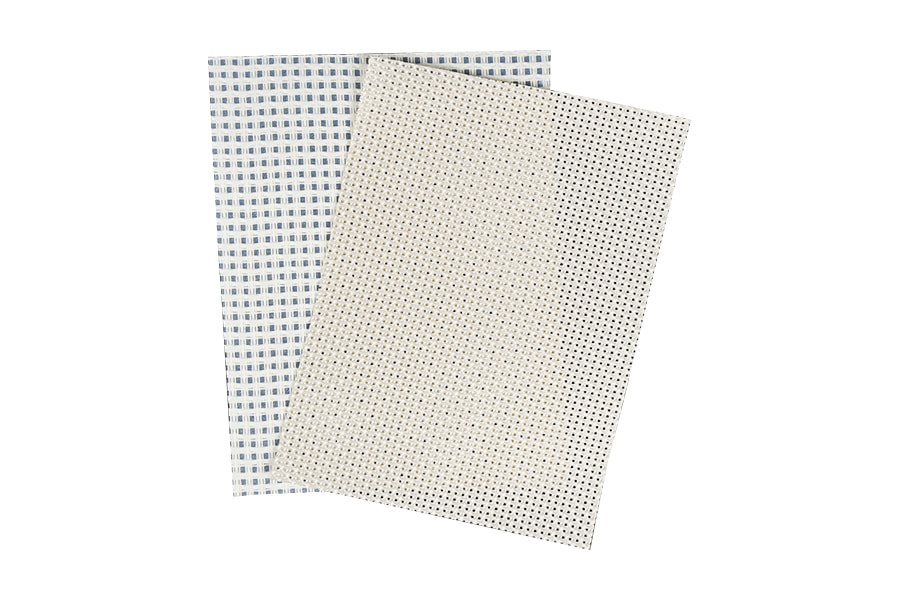
The fabric's open weave structure creates controlled porosity, allowing fluids (liquids or gases) to pass through while capturing particulate matter above a specific micron rating. This makes fiberglass filter fabric suitable for both surface filtration (capturing particles on the fabric's surface) and depth filtration (trapping particles within the fiber matrix).
Different glass compositions yield different performance characteristics. The most common types used in filter fabrics include:
The choice of fiber type directly impacts the fabric's longevity in specific industrial atmospheres. For example, coal-fired boiler baghouses typically use E-glass with acid-resistant coatings, while aluminum smelters prefer S-glass for its higher thermal stability.
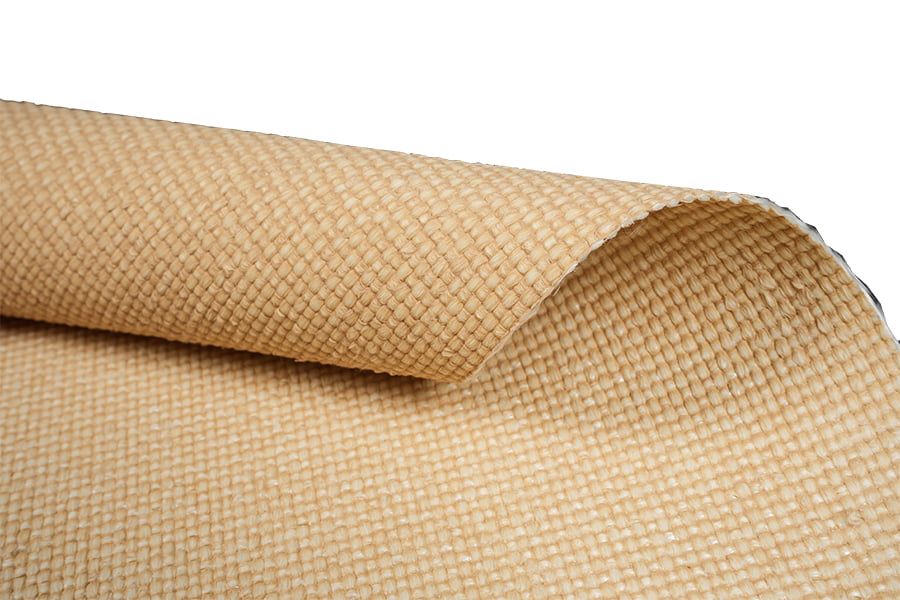
The weave pattern determines the fabric's mechanical properties and filtration efficiency. Common weaves include:
| Weave Type | Characteristics | Typical Applications |
|---|---|---|
| Plain Weave | Simple over-under pattern, maximum stability, minimal stretch | High-pressure drop applications, liquid filtration |
| Twill Weave | Diagonal pattern, good flexibility, higher airflow | Gas filtration, dust collection bags |
| Satin Weave | Floating yarns, excellent drapability, smooth surface | Composite reinforcement, high-temperature insulation blankets |
| Dutch Weave | Tight weave with fine warp and thicker weft | Very fine particle filtration, liquid polishing |
Understanding how Fiberglass Filter Fabric is manufactured helps explain its final properties and quality variations. The production process involves several critical stages.
Raw glass batch materials (silica sand, limestone, soda ash, and other additives) are melted in furnaces at approximately 1400°C (2550°F). The molten glass flows into precision platinum-rhodium bushings with hundreds of tiny orifices. Continuous filaments are drawn mechanically and cooled rapidly, then coated with a sizing agent—a chemical treatment that lubricates fibers and promotes adhesion with subsequent coatings.
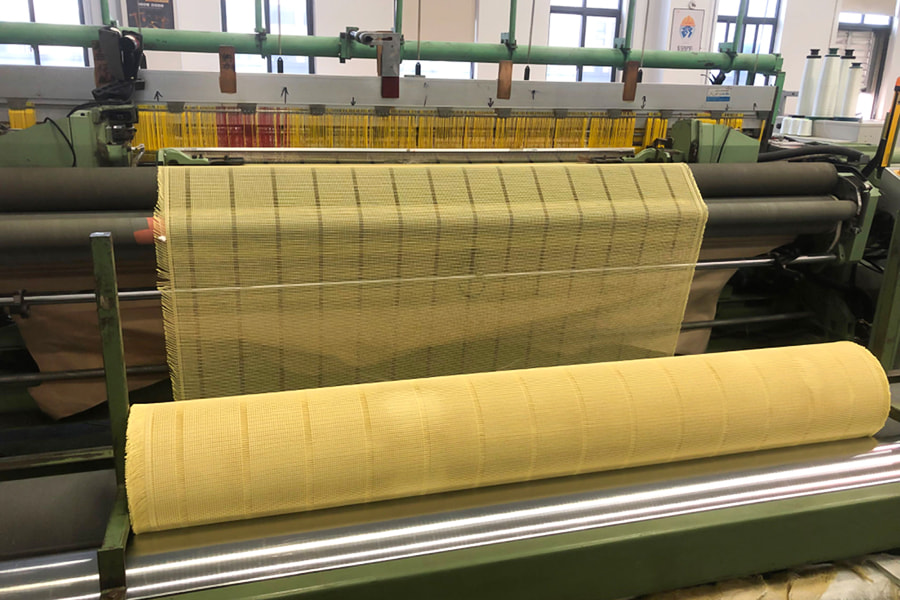
Glass yarns are woven on specialized looms designed to handle the abrasive nature of glass fibers. Warp beams supply longitudinal yarns while shuttles or projectile systems insert weft yarns. Quality control during weaving ensures uniform tension and consistent pore size distribution.
As-woven fabric contains organic sizing (typically 1-2% by weight) that must be removed for high-temperature applications. Heat cleaning at 400-450°C burns off these organics without damaging glass fibers. Following heat cleaning, fabrics often receive surface finishes:
When evaluating Fiberglass Filter Fabric for specific applications, several measurable parameters determine suitability. Below is a comparative table of typical performance characteristics for high-quality fiberglass filter fabric.
| Parameter | Typical Range / Value | Testing Method |
|---|---|---|
| Continuous Operating Temperature | 260°C – 550°C (500°F – 1022°F) | ASTM D621 |
| Maximum Surge Temperature | 650°C – 700°C (1202°F – 1292°F) for short duration | In-house thermal cycling |
| Tensile Strength (Warp) | 200 – 400 kg/5cm (depending on weight) | ASTM D5035 |
| Tensile Strength (Weft) | 150 – 300 kg/5cm | ASTM D5035 |
| Air Permeability | 10 – 150 cm³/cm²/sec @ 127 Pa | ASTM D737 |
| Weight per Unit Area | 200 – 900 g/m² | ASTM D3776 |
| Thickness | 0.3 – 2.5 mm | ASTM D1777 |
| Filtration Efficiency (for 1-5 micron particles) | 85% – 99.5% depending on weave and coating | ISO 16890 |
| Chemical Resistance (pH range) | 3 – 9 (uncoated); 0 – 14 (with PTFE coating) | ISO 1419 |
These values represent industrial-grade materials. Premium fabrics with advanced coatings can achieve even higher performance in aggressive chemical environments.
The versatility of Fiberglass Filter Fabric stems from its ability to perform reliably where organic media would fail. Below are the most common application categories with technical justifications.
Coal-fired power plants, cement kilns, steel mills, and chemical incinerators generate hot, abrasive dust streams. Fiberglass filter fabric is the industry standard for baghouse filtration systems operating at temperatures between 200°C and 350°C. The fabric withstands continuous thermal stress while capturing particulate matter to meet environmental emission standards (typically <10 mg/Nm³).
Key design considerations for baghouse applications:
In foundries and aluminum recycling plants, molten metal contains non-metallic inclusions (oxides, slag, refractory particles) that compromise final product quality. Fiberglass filter fabric, typically in mesh form, is placed in the gating system of casting molds. The fabric's thermal stability (up to 700°C for S-glass) allows direct contact with molten aluminum, iron, or steel without degradation. Inclusions are trapped while clean metal flows through.
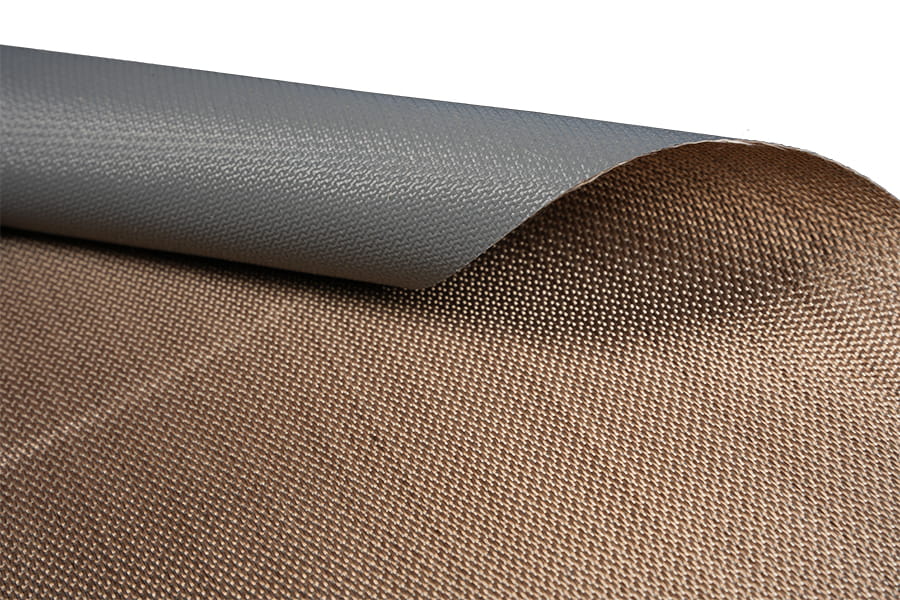
C-Glass and E-CR glass filter fabrics, often combined with fluoropolymer coatings (PTFE, PFA), provide excellent resistance to acids, alkalis, and organic solvents. Applications include:
While not strictly filtration, fiberglass fabric serves as a protective layer in fire-resistant curtains, welding blankets, and equipment insulation. The fabric's low thermal conductivity (0.04-0.08 W/m·K) and non-combustible nature (Class A fire rating) make it ideal for passive fire protection.
Selecting the right filter medium requires understanding trade-offs. Below is a comparative analysis of fiberglass filter fabric versus common alternatives.
| Media Type | Advantages of Fiberglass Fabric | Limitations |
|---|---|---|
| vs. Polyester (PE) | Temperature tolerance 4x higher, no hydrolysis in wet environments | Higher initial cost, less flexible, requires careful handling |
| vs. Polyamide (Nylon) | Superior chemical resistance, no moisture absorption | Lower abrasion resistance than nylon |
| vs. PTFE Membrane | Lower cost, higher mechanical strength, easier to seam | Lower filtration efficiency for sub-micron particles |
| vs. Metal Mesh | Lighter weight, no galvanic corrosion, easier to install | Lower puncture resistance, shorter lifespan in abrasive environments |
| vs. Ceramic Filters | Much lower cost, flexible, easier to clean | Lower maximum operating temperature (550°C vs. >1000°C) |
For applications requiring temperature resistance above 400°C, fiberglass is often the only practical fabric-based solution. However, for wet, low-temperature applications (e.g., wastewater filtration), polyester or polypropylene are more cost-effective.
Proper handling and maintenance significantly extend the service life of Fiberglass Filter Fabric. Below are field-proven guidelines.
In pulse-jet baghouses, fiberglass filter fabric requires low-pressure, high-volume reverse air cleaning rather than aggressive high-pressure pulsing. Typical parameters:
Fiberglass filter fabric is generally considered environmentally benign. It contains no heavy metals or volatile organic compounds. However, handling precautions are necessary due to mechanical irritation from loose fibers.
From a lifecycle perspective, fiberglass filter fabric has a higher embodied energy than polymer-based media due to high-temperature melting and weaving processes. However, its longer service life (3-5 years vs. 1-2 years for synthetics) and superior performance in high-temperature applications often result in lower overall environmental impact per cubic meter of gas filtered.
The fiberglass filter fabric industry continues to evolve with three major trends:
These innovations are extending fiberglass filter fabric into new markets such as electric vehicle battery manufacturing (dry room particulate control) and semiconductor cleanrooms.
Fiberglass Filter Fabric remains an indispensable engineering material for applications demanding thermal endurance, chemical resistance, and mechanical reliability. Its proven performance in baghouses, molten metal filtration, and high-temperature gas cleaning makes it a first-choice solution for industries operating at the limits of organic filter media.
By understanding weave patterns, fiber types, surface treatments, and proper maintenance protocols, engineers can optimize both filtration efficiency and operational lifespan. While alternatives exist for lower-temperature applications, no fabric-based solution currently matches the combination of high-temperature capability, cost-effectiveness, and design flexibility offered by modern fiberglass filter fabrics.
When specifying your next filtration system, consider not only the immediate cost but also the total cost of ownership, including replacement frequency, energy consumption (pressure drop), and downtime for changeouts. In most high-temperature, high-particulate environments, fiberglass filter fabric delivers the lowest lifecycle cost.
1. What is fiberglass filter fabric made of?
Fiberglass filter fabric is woven from continuous glass filaments, typically E-glass, C-glass, or S-glass composition. It may be heat-cleaned and coated with PTFE, silicone, or other finishes depending on application requirements.
2. What is the maximum temperature for fiberglass filter fabric?
Continuous operating temperature ranges from 260°C to 550°C (500-1022°F) depending on glass type. Surge temperatures up to 700°C (1292°F) are possible for short durations with S-glass fabrics.
3. Can fiberglass filter fabric be washed and reused?
In most applications, fiberglass filter fabric is not washed due to the risk of fiber damage and residual contamination. It is designed for disposal after reaching end of life. However, some pre-filter applications allow gentle compressed air blow-off cleaning.
4. Is fiberglass filter fabric chemical resistant?
Standard E-glass has moderate acid resistance but poor alkali resistance. C-glass offers improved acid resistance. For full chemical resistance (pH 0-14), PTFE-coated fiberglass fabrics are recommended.
5. How long does fiberglass filter fabric last in a baghouse?
Typical service life is 2-5 years, depending on operating temperature, gas chemistry, dust abrasiveness, and cleaning regime. PTFE-coated fabrics generally last longer than uncoated versions.
Recommended Products
Copyright © 2025 Jiaxing Jiete New Material Co., Ltd. All Rights Reserved.
Wholesale Wide Width Fiberglass Cloth Roll Suppliers



 English
 中文简体
中文简体