

 English
 中文简体
中文简体
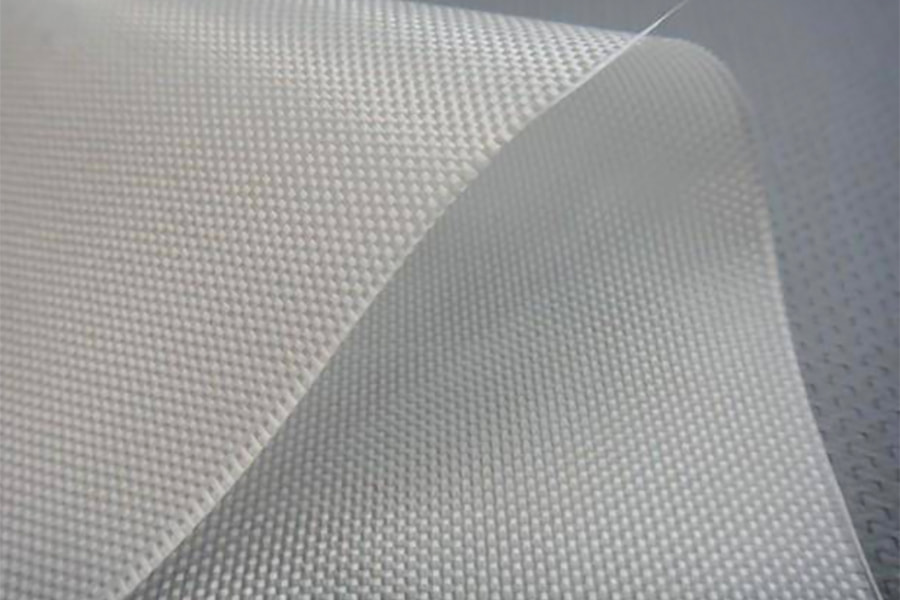
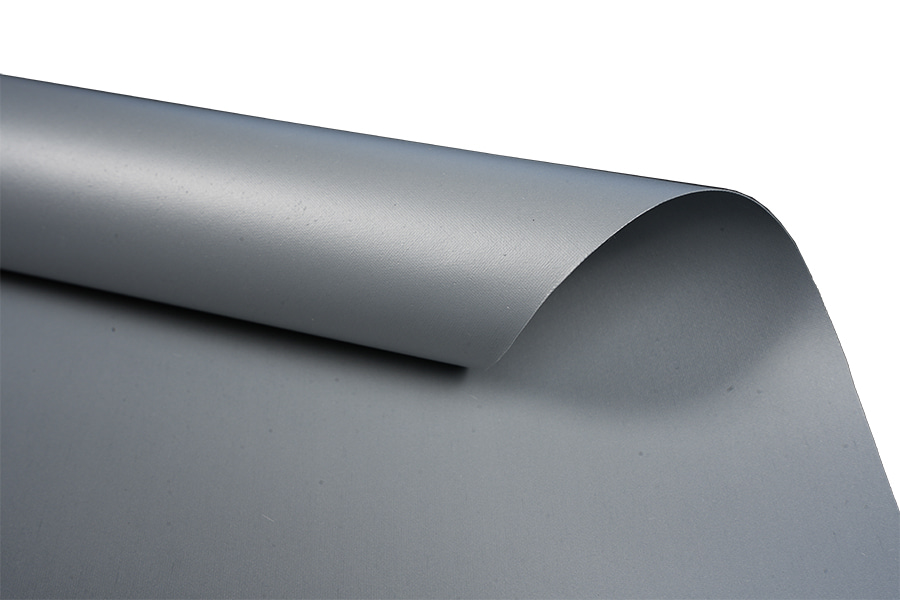
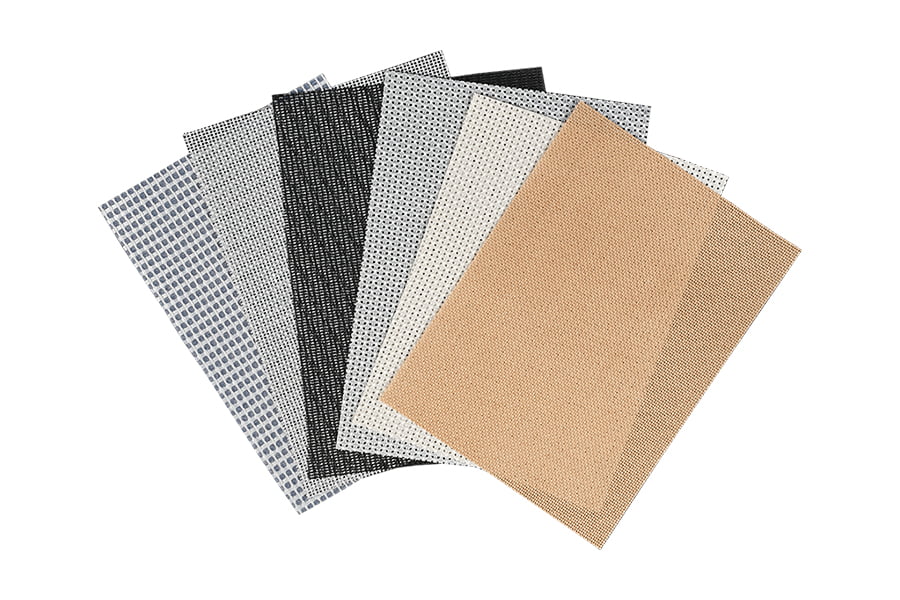
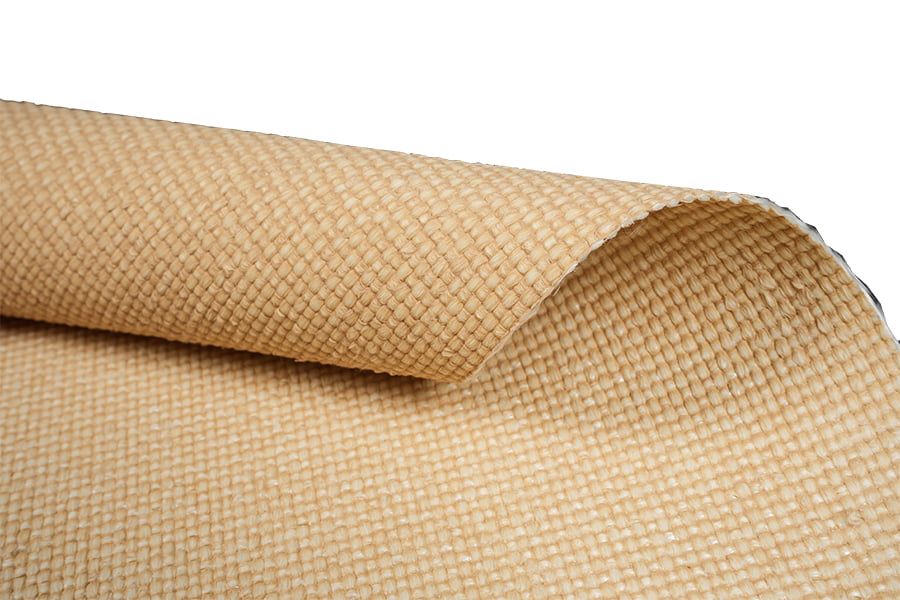
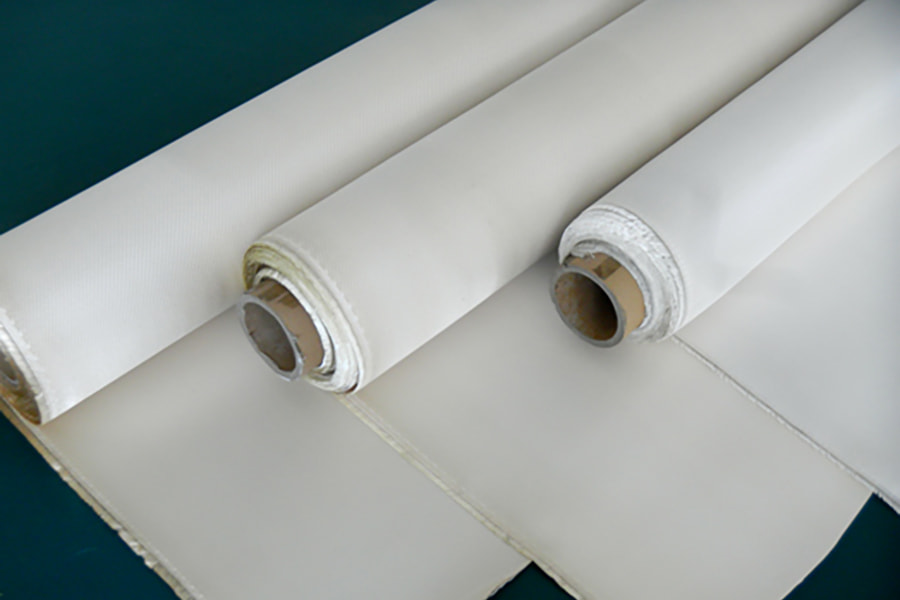
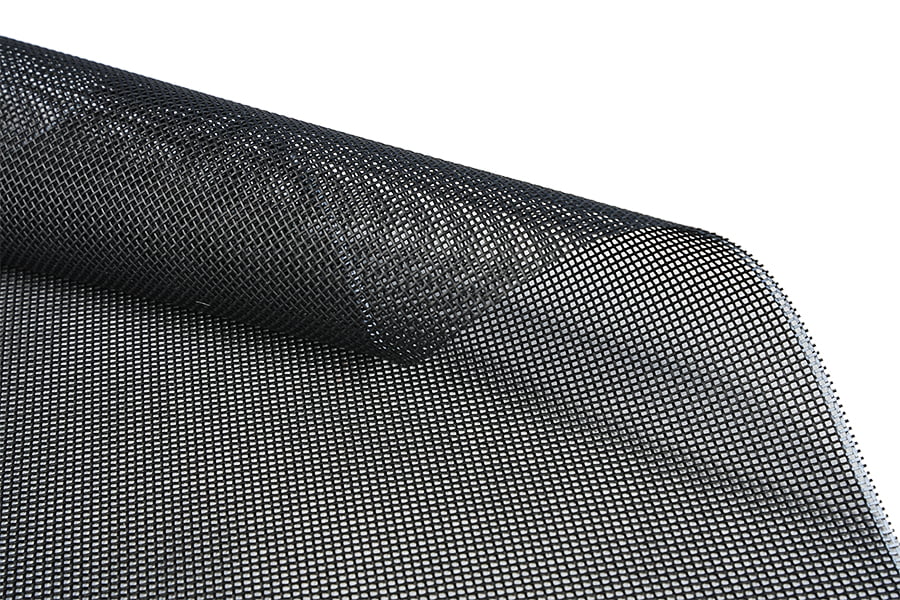
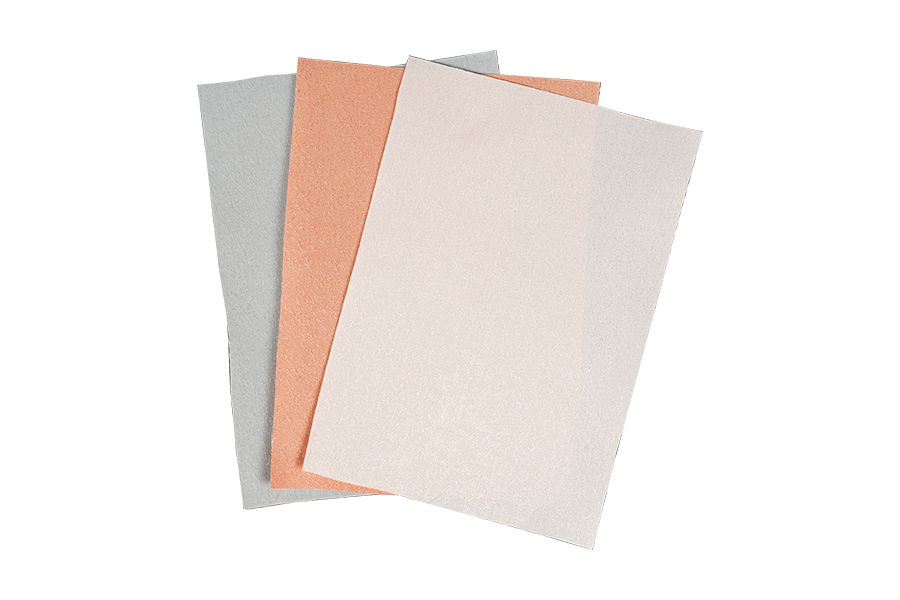
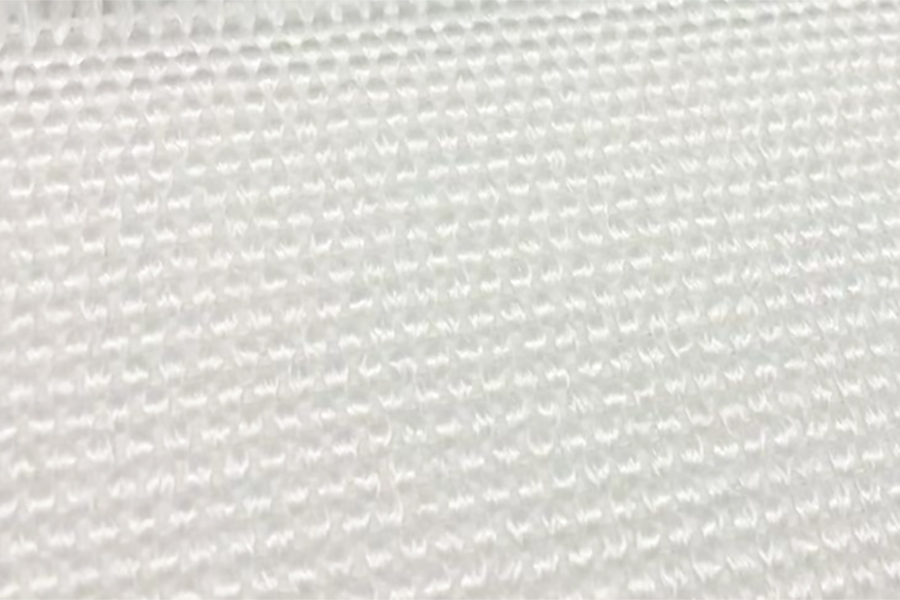
Industrial Fiberglass Cloth Roll
Product Overview
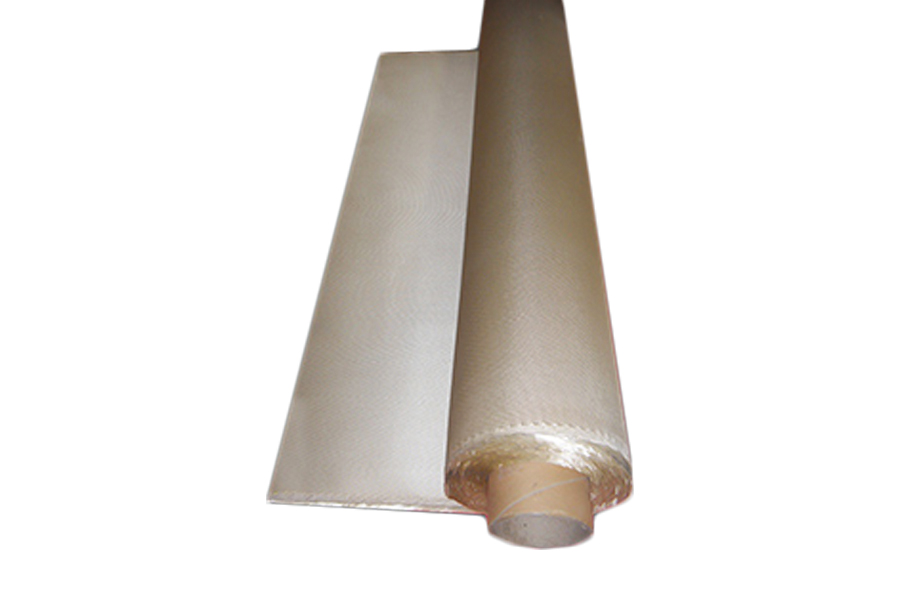
Industrial fiberglass cloth roll is manufactured using high-strength E-glass fibers with a heavy-duty construction designed for demanding industrial applications. Available in thicknesses from 0.50 mm to 3.00 mm and weights ranging 300 g/m² to 1200 g/m², this cloth delivers tensile strength exceeding 350 MPa in both warp and weft directions. The robust weave structure incorporates a proprietary binder system that enhances abrasion resistance and provides dimensional stability under mechanical stress. The cloth operates continuously at temperatures up to 550°C and exhibits chemical resistance against most acids, alkalis, and organic solvents. The roll format supports high-volume industrial processing with consistent quality across extended production runs.
Core Advantages
Product Specifications
| Fiber Composition | E-glass (heavy-duty grade) |
| Weave Type | Plain, Twill, or Crowfoot Satin |
| Thickness Range | 0.50 – 3.00 mm (±0.06 mm) |
| Areal Weight | 300 – 1200 g/m² |
| Tensile Strength (Warp) | ≥ 350 MPa |
| Tensile Strength (Weft) | ≥ 330 MPa |
| Abrasion Resistance (ASTM D3884) | ≤ 0.5 g weight loss |
| Thermal Conductivity | 0.032 – 0.040 W/m·K |
| Moisture Absorption | ≤ 0.2% (24h immersion) |
| Continuous Operating Temperature | –60°C to +550°C |
| Roll Width | 800 mm, 1000 mm, 1200 mm |
| Roll Length | 20 m, 40 m, 80 m |
Application Fields
Handling & Installation Notes
Frequently Asked Questions
Industrial grade cloth uses heavier yarns (TEX 340–680) with a higher fiber volume fraction, resulting in 2–4 times greater areal weight and thickness. The cloth incorporates a specialized binder that provides enhanced abrasion resistance and reduces fiber shedding. Industrial grade also offers improved chemical resistance and higher mechanical strength for heavy-duty applications.
For duct insulation, a minimum overlap of 100 mm is recommended, with 150 mm preferred for high-temperature applications (>400°C). Overlaps should be secured using stainless steel wire ties spaced at 200 mm intervals. For vertical installations, use additional mechanical supports to prevent sagging due to the cloth's heavier weight.
Yes, the cloth is resistant to most hydrocarbons including oils, diesel, and kerosene up to 300°C. However, prolonged exposure to aromatic hydrocarbons (benzene, toluene) at temperatures above 200°C may cause gradual binder degradation. We recommend testing the cloth in the specific operating environment before full-scale installation.
For pipe wrapping, the cloth provides corrosion protection and thermal insulation but is not a pressure-containing component. The maximum external pressure rating depends on the substrate pipe's design parameters. The cloth has been tested in applications up to 10 MPa external pressure when combined with a rigid insulating layer.
The cloth provides good resistance to UV exposure for up to 6 months without significant strength degradation. For prolonged outdoor service, we recommend applying a UV protective coating or using the cloth with an additional weather barrier layer. The binder system contains UV stabilizers that extend outdoor service life to 12 months in temperate climates.