2026-11-25
When a 200 gsm aramid fibre cloth datasheet lists a tensile strength of 3200 N per 50 mm, a procurement engineer at a protective clothing manufacturer knows exactly what is at stake. A delivered lot that falls short by even five percent can fail certification testing, forcing a rejected order and weeks of production delay. High performance aramid fibre cloth is specified for applications where mechanical strength and thermal behaviour are non-negotiable. This guide explains the key strength and performance requirements that qualified suppliers must meet, and how to verify them before the cloth enters your process chain.
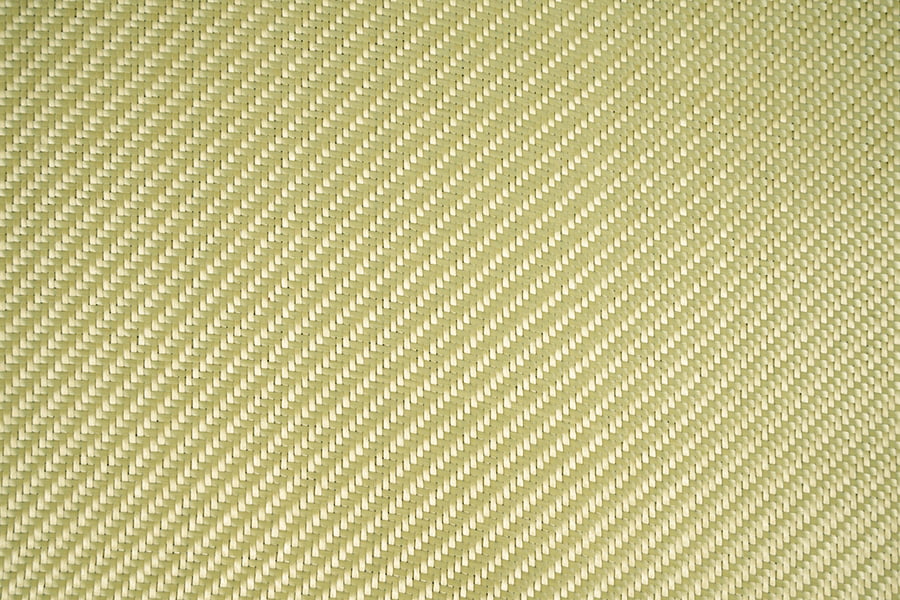
High performance aramid fibre cloth is a woven fabric made from aromatic polyamide fibres, primarily para-aramid or meta-aramid, engineered to deliver a combination of tensile strength, thermal stability, and inherent flame retardancy that commodity textiles cannot achieve.
The aramid polymer chain is composed of long, highly oriented aromatic molecules with strong intermolecular bonds. This molecular orientation is what produces the fabric's signature properties: high specific strength, low elongation, and resistance to heat and flame.
High performance aramid fibre cloth is defined by five measurable properties: tensile strength, tear resistance, limiting oxygen index (LOI), dimensional stability at temperature, and resistance to chemical degradation in the intended service environment.
Tensile strength is the most heavily audited mechanical property of aramid fibre cloth. It is measured with a strip test per ISO 13934-1 and reported in Newtons per 50 mm of test width, separately for the warp and weft directions.
For a standard 200 gsm para-aramid plain weave, the warp direction typically delivers 2600-3500 N/50mm, while the weft delivers 2400-3200 N/50mm. Heavier 300 gsm constructions reach 4200-4500 N/50mm, and lightweight 130 gsm cloth sits in the 1200-1800 N/50mm range.
| Property | Typical value | Common test method | Why it matters |
| Tensile strength, warp | 2600-3500 N/50mm | ISO 13934-1 | Primary load path in tensioned and reinforced parts |
| Tensile strength, weft | 2400-3200 N/50mm | ISO 13934-1 | Resists transverse loads in curtains and laminates |
| Tear propagation | 180 N minimum | ISO 13937-2 | Stops damage growth from edge cuts |
| Elongation at break | 2.5-4.0% | ISO 13934-1 | Controls energy absorption in impact use |
| Burst strength | 800 kPa minimum | ISO 13938-1 | Critical for filter media and flexible ducting |
Tenacity, expressed in centinewtons per decitex (cN/dtex), is the fibre-level indicator that lets engineers compare materials on a weight-normalised basis. The chart below shows why aramid leads the field.
Tenacity comparison of common reinforcement fibres
Aramid fibre cloth is inherently flame retardant because the aromatic polymer backbone does not melt or drip when exposed to flame; it forms a stable carbon char that blocks further combustion.
The standard indicator of flame retardancy is the limiting oxygen index (LOI). Para-aramid cloth typically measures 28-30% LOI, and meta-aramid reaches 30-32%. For reference, unmodified polyester sits at 20-21%. Materials above 27% LOI are classed as self-extinguishing in ambient air.
| Application | Minimum requirement | Service temperature |
| Fire blankets and curtains | LOI 28% minimum, no melt or drip | Continuous 200-260°C |
| Welding protection | LOI 28% minimum, molten metal splash resistance | Intermittent up to 400°C |
| Composite reinforcement | Low thermal shrinkage, strength retention | Continuous 180-220°C |
| Electrical insulation | Thermal class H rating | Continuous 180°C |
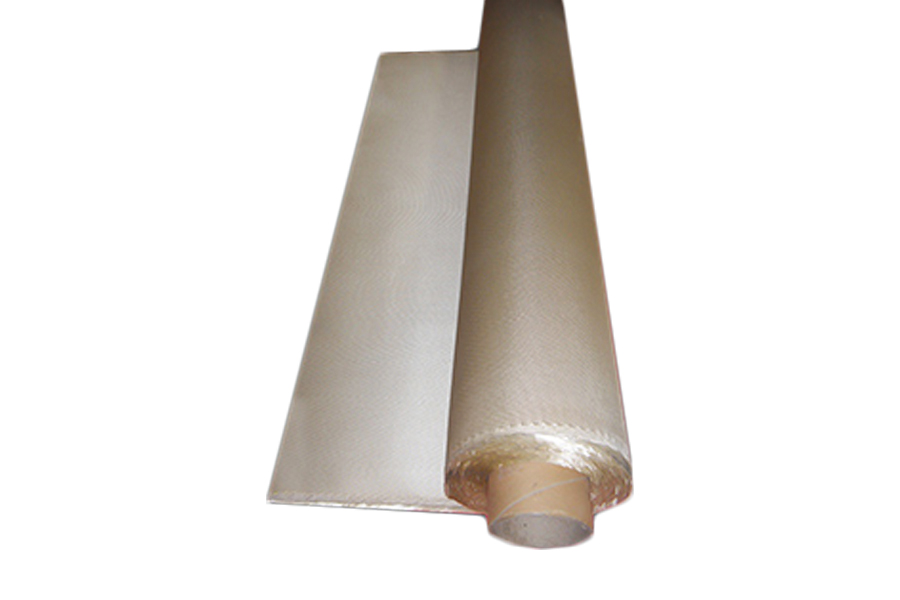
For flame-retardant protective applications, Jiaxing Jiete New Material Co., Ltd. supplies a high-strength durable fireproof aramid fabric engineered as a protective-layer material for welding curtains, fire blankets, and thermal shields.
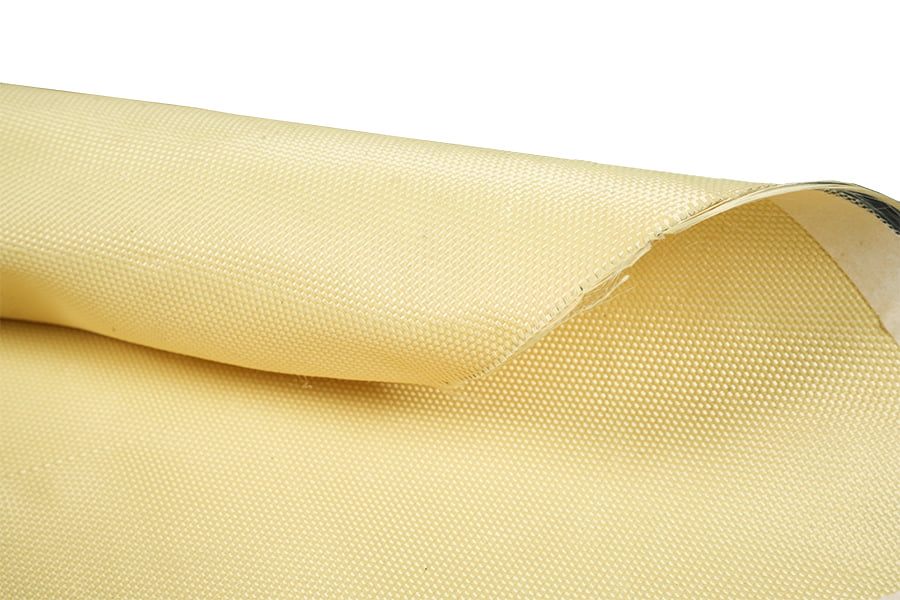 High-Strength Fireproof Aramid Fabric for Flame-Retardant ProtectionThis aramid fabric offers high strength and thermal stability for protective uses such as welding curtains, fire blankets, and thermal shields, with dimensional shrinkage below 1% after 30 minutes at 250°C.View Product →
Aramid cloth must hold its geometry when the temperature climbs. Properly finished aramid fabric shows less than 1% dimensional shrinkage after 30 minutes at 250°C, and that stability is a contractual requirement in most industrial specifications.
Two performance limits deserve attention at specification stage:
The most commonly missed requirement is UV resistance. Bare aramid fabric can lose 40-50% of its strength after several months of direct sunlight. If the final assembly will be exposed outdoors, specify a UV-resistant finish or a coated aramid construction.
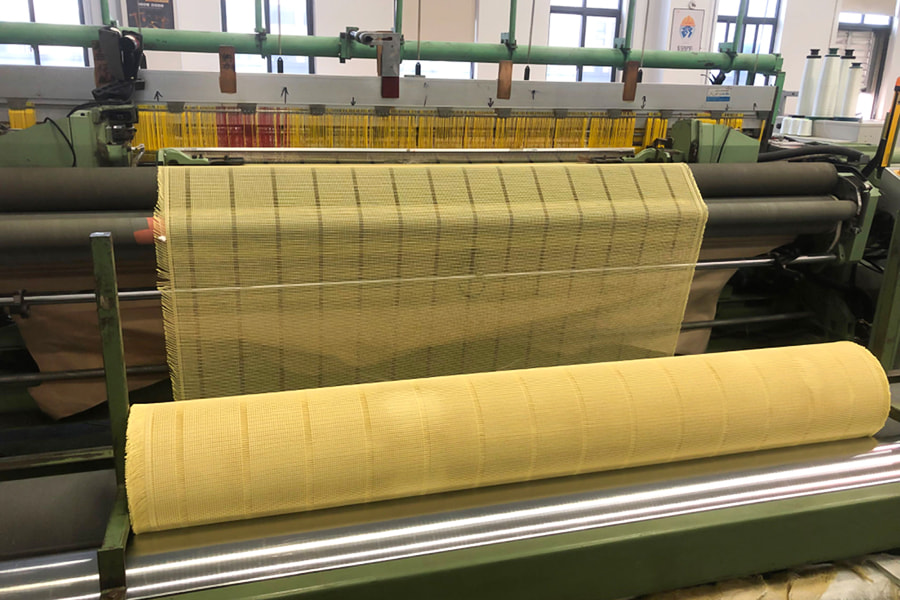
The performance of aramid fibre cloth is decided in the weaving mill as much as by the raw yarn. Uniform yarn tension, clean weaving, and a fully controlled finishing process are what keep mechanical values inside specification.
Jiaxing Jiete New Material Co., Ltd., a woven technical textile manufacturer based in Haining, Zhejiang, produces aramid fabric in a 150,000-square-metre facility with integrated warping, weaving, and coating lines, applying in-process inspection at each stage.
The two values that predict the rest of the performance profile are areal weight variation and weave uniformity. If both are in control, tensile and thermal values will be in specification.
Para-aramid cloth is the reinforcement of choice for composites that must absorb impact without catastrophic failure, because the fibre deforms plastically before rupture and leaves the panel structurally intact after an impact event.
A practical design rule: when interlayer toughness and impact resistance drive the laminate schedule, aramid cloth wins. When stiffness per unit of cost is the deciding factor, high-strength fiberglass cloth rolls remain a competitive alternative.
Jiete produces a high-strength aramid reinforced mesh designed as a composite structural basic material for boat hulls, radomes, armoured panels, and high-performance sporting goods.
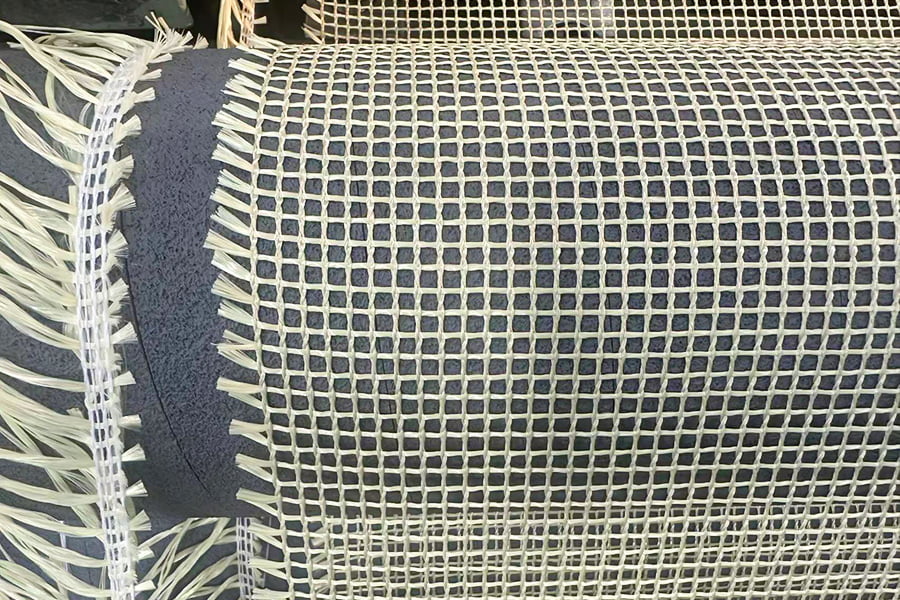 High-Strength Aramid Reinforced Mesh Roll for Composite StructuresThis aramid mesh cloth combines flame retardancy and corrosion resistance for boat hulls, radomes, and armoured panels, with essential specifications clearly defined for dependable composite reinforcement.View Product →
A reliable specification does not need a wall of data; it needs the right five parameters stated without ambiguity.
Specify the acceptance test standard in the purchase order. A supplier that certifies to a test method and threshold up front, instead of sending a generic datasheet, is a supplier that can be audited.
For a broader view of how aramid compares with other reinforcement textiles, read our published guide on fiberglass cloth rolls versus carbon fiber fabric.
Aramid fibre cloth offers roughly 25-40% higher specific tensile strength than E-glass cloth, absorbs impact without brittle fracture, and does not melt or drip in a fire. Fiberglass cloth delivers higher continuous service temperature, up to about 550°C for E-glass, a lower material cost, and better dimensional stability above 350°C.
A 200 gsm para-aramid plain-weave cloth typically delivers 2600-3500 N/50mm in the warp direction. Heavy 300 gsm constructions reach 4200-4500 N/50mm, while a lightweight 130 gsm cloth falls in the 1200-1800 N/50mm range. Verified tensile certificates should accompany every delivered lot.
Yes. Aramid fabric accepts PTFE, silicone, PVC, and PU coatings when the coating line controls curing temperature to avoid fibre degradation. Coating adds chemical resistance, water resistance, and UV protection while preserving the inherent flame-retardant performance of the core layer.
Aramid cloth can be used continuously at 180-220°C and for short excursions up to 400°C without melting. Above 300°C, prolonged exposure progressively reduces mechanical strength. For continuous duty above 350°C, specify high-silica glass fabric or vermiculite-coated glass fabric instead.
Recommended Products
Copyright © 2025 Jiaxing Jiete New Material Co., Ltd. All Rights Reserved.
Wholesale Wide Width Fiberglass Cloth Roll Suppliers



 English
 中文简体