2026-11-20
Ask three mills to quote the same custom fiberglass fabric and the spread between offers routinely reaches 20 to 30 percent, even when the nominal weight matches on paper. The reason is rarely the glass itself. It is what each data sheet leaves undefined, from coating weight to width tolerance. For OEM buyers, that gap is where cost overruns, delayed approvals, and field failures hide.
This guide sets out the specifications that matter when you order woven fiberglass fabric to your own requirements: base construction, weave, areal weight, coating, tolerance, and the process a capable manufacturer follows from inquiry to shipment. The examples reflect woven-glass production as practiced by manufacturers such as Jiaxing Jiete New Material Co., Ltd., a fiberglass fabric producer founded in 2010 in Haining, Zhejiang, operating in-house warping, sizing, weaving, and coating lines.
Custom fiberglass fabric is not a different material from catalog cloth. It is the same woven glass, built to your documented numbers instead of a mill standard range.
Custom fiberglass fabric: a woven textile made from continuous glass filaments, produced to a buyer specified construction covering yarn count, weave pattern, areal weight, width, and surface finish, rather than selected from a mill standard style list.
In practice, customization adjusts three to five variables around a base E-glass construction. Mills do not invent new glass for you; they recombine proven building blocks:
A custom fiberglass fabric RFQ is only as strong as its parameter table. Send these seven rows and quotes become directly comparable, because every mill prices against the same defined targets.
| Parameter | Typical range | Why it matters |
| Yarn and filament grade | E-glass, D to G filaments, about 5 to 9 micron | Sets flexibility and tensile performance |
| Areal weight | 60 to 900 gsm | Drives strength, resin uptake, and cost per square meter |
| Thickness | 0.06 to 1.4 mm | Fits insulation gaps and laminate build targets |
| Weave pattern | Plain, twill, satin, leno mesh | Controls drape, stability, and wet-out speed |
| Width and selvedge | 1,000 to 3,200 mm | Determines yield per cut part and waste |
| Finish or coating | PTFE, silicone, PVC, PU, vermiculite | Sets temperature, friction, and chemical limits |
| Tensile strength | Warp and weft, in N per 25 or 50 mm strip | The acceptance number for reinforcement duty |
Where electrical grades are concerned, weave even enters the insulation budget. Market research on E-glass cloth notes satin constructions quoted with dielectric strength above 22 kV per mm, which is one reason electrical laminators rarely buy a generic plain weave by accident.
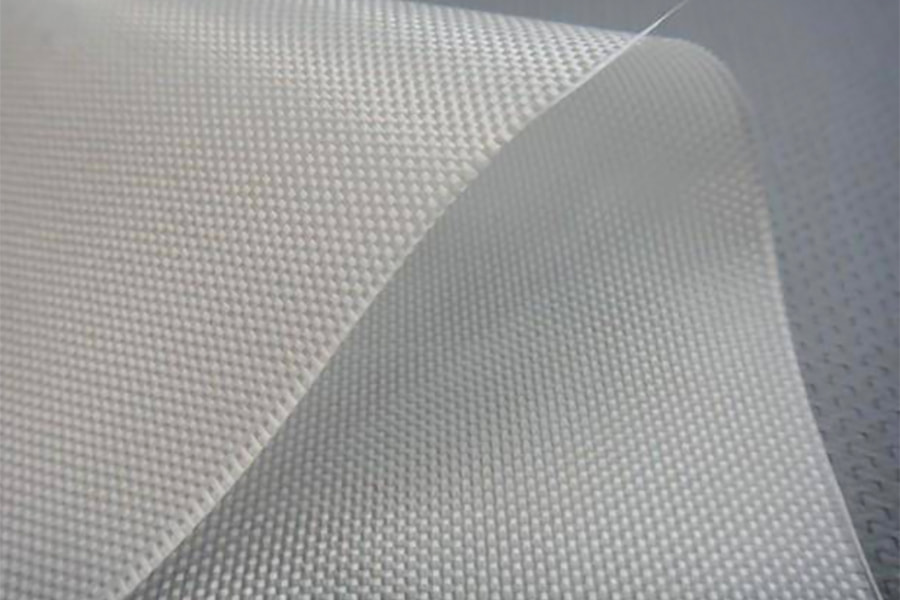
Weave pattern and areal weight decide how the fabric drapes, how strong it is per unit weight, and how it behaves in your process. Most downstream choices follow from these two.
For a closer look at the workhorse construction, review this plain weave fiberglass cloth reference before locking the weave line in your drawing.
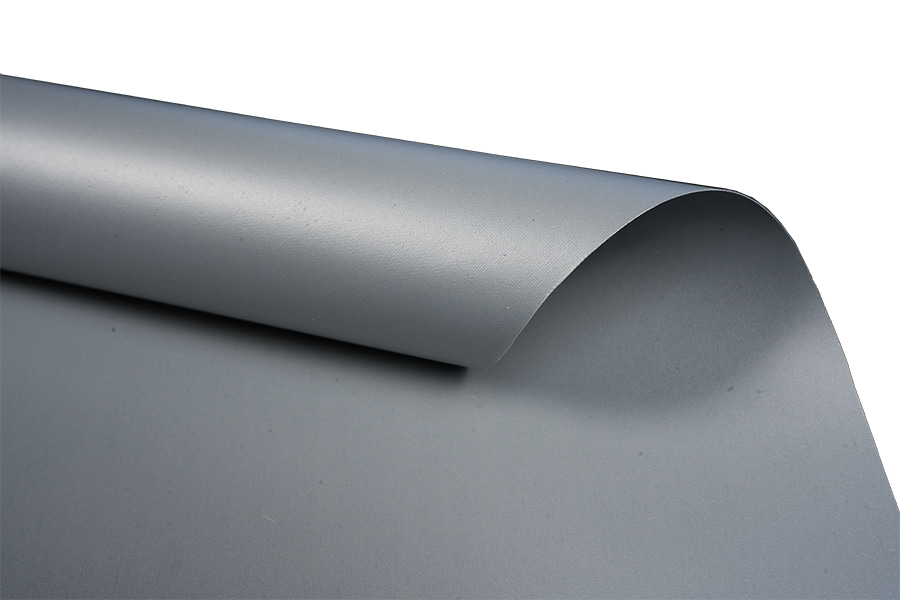
The coating, more than the base weave, decides where the fabric can operate, what it resists, and what it costs. Two rolls of identical 260 gsm E-glass can serve entirely different industries once the finish differs.
Coating configuration is itself a custom variable. One-sided or two-sided application, coating weight in grams per square meter, and color are all negotiable. In EV battery pack insulation, for instance, one-sided silicone coating on thin E-glass is specified to balance dielectric performance against a tight thickness budget. Two production-grade examples of these coated constructions are the 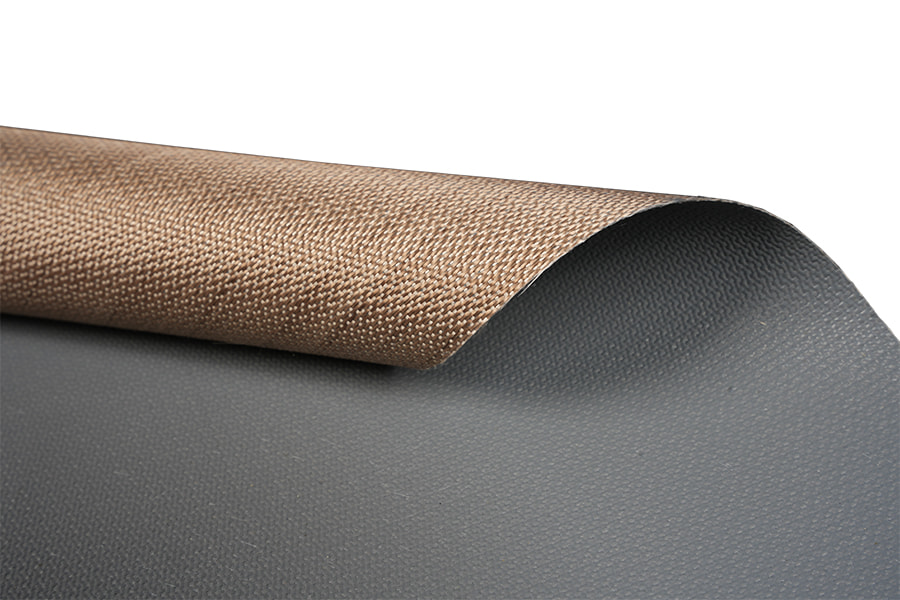 PTFE Coated High Temperature Fiberglass FabricA PTFE-impregnated fiberglass fabric operating from -70°C to 260°C with non-stick, chemical-resistant, low-friction surfaces. It illustrates one production-grade coated construction referenced in the discussion of negotiable coating configurations.View Product → and the
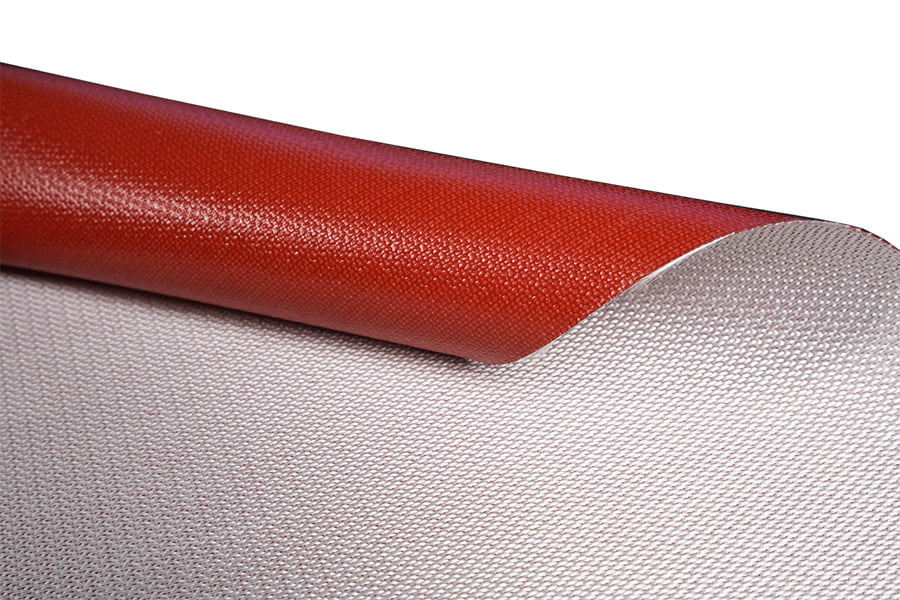 Flame Retardant Silicone Coated Insulation Fiberglass FabricSilicone-coated fiberglass fabric with -70~260°C resistance, 15~25kV/mm insulation, and flame retardancy, suiting electrical insulation and EV pack applications. It demonstrates how a fixed coating finish diverges from the base cloth.View Product →, which show how the same base cloth diverges once the finish is fixed.
Insist on written tolerances for every critical property. A data sheet without tolerance bands is a price list, not a specification, and it gives you no grounds for a claim when a batch drifts.
At incoming inspection, weigh a cut sample against the nominal gsm, measure thickness with a micrometer at several points, and burn a small swatch of coated fabric to check smoke and odor behavior against the approved reference. For coated rolls, a simple peel check on coating adhesion catches cure problems before the fabric reaches your laminating line.
A custom fabric order moves through five stages, and knowing them helps you time samples, approvals, and production slots realistically.
Operating temperature, chemical exposure, mechanical load, and any applicable flame, smoke, or food-contact standards.
Filament grade, twist, and weave are fixed here. Twisted yarn is specified where warp strength and stability after heat cleaning are critical.
Short sample rolls with lab data. Approve on measured values against the parameter table, never on hand feel alone.
Coating weight, cure, calendering, and heat setting run on the mill coating line; both sides and color are confirmed against the sample.
Per-roll test certificates, roll traceability, and packing matched to your converting requirements close out the order.
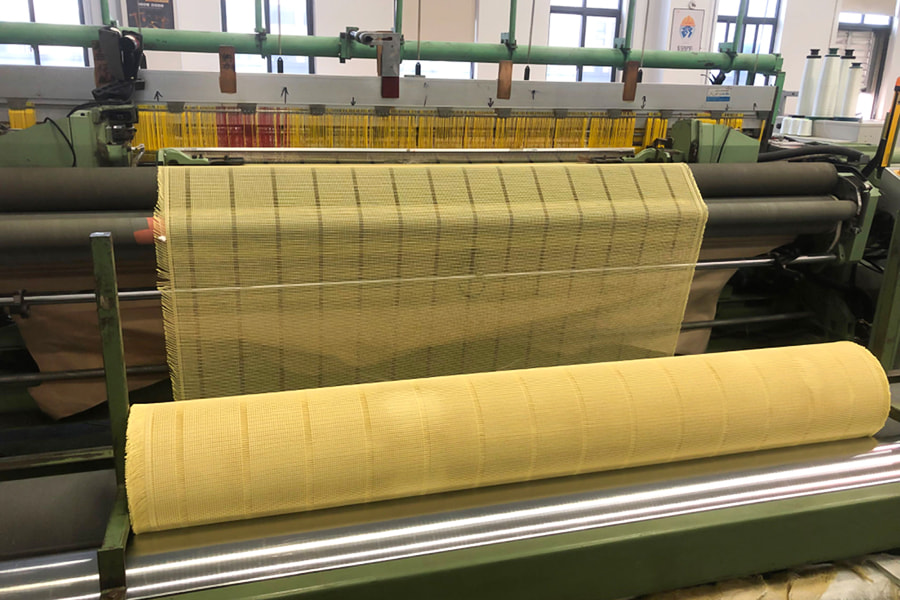
This is why vertical capability matters. A mill that runs its own warping and sizing machines, air-jet and rapier looms, and in-house coating lines, roughly 200 machines across a 150,000 square meter plant, as at Jiaxing Jiete New Material Co., Ltd., can adjust width or coating weight mid-project without outsourcing the variable. For the upstream view of that chain, this walkthrough of how fiberglass cloth rolls are manufactured for industrial use mirrors what happens on the loom floor. Where step two is the binding constraint, yarn is the lever, and 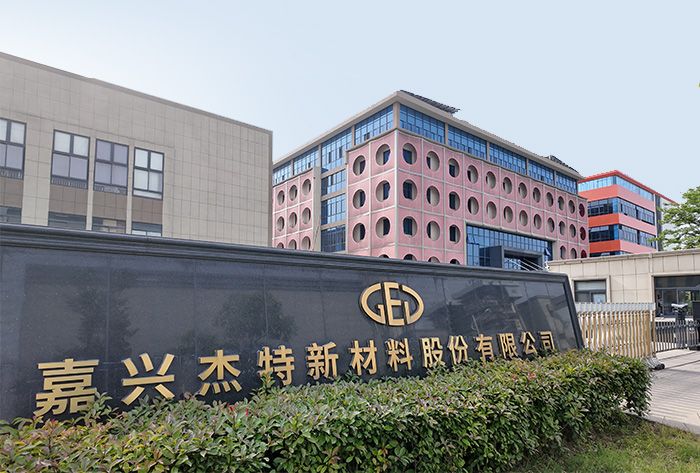 Twisted Fiberglass Yarn for Warp-Critical ConstructionsTwisted fiberglass yarn is the upstream input mills weave into custom warp-critical fabrics. When weaving constraints bind, yarn choice becomes the key lever, making this product relevant to custom construction discussions.View Product → is the form mills weave for warp-critical constructions.
Standard fabric is woven to a mill fixed style list; custom fabric is woven to your documented construction. In practice the mill adjusts three to five variables, such as yarn twist, weave, weight, width, and coating, around a proven base E-glass style.
Above 200 C the practical field narrows quickly: silicone coated cloth serves around 230 C, PTFE coated cloth up to 260 C, and bare E-glass, vermiculite coated, or high silica constructions beyond that. Always separate continuous ratings from short-exposure ratings when you read the data sheet.
Seven inputs make quotes comparable: operating temperature and chemistry, a reference style or target construction, areal weight and thickness, width and roll length, coating type and weight, applicable standards, and annual volume. Supplying all seven typically removes one full round of clarification emails.
As numeric bands tied to a named test method, for example areal weight plus or minus 5 percent, coating weight plus or minus 10 to 15 percent, and width 0 to +5 mm, with verification performed at incoming inspection on a per-roll basis.
Recommended Products
Copyright © 2025 Jiaxing Jiete New Material Co., Ltd. All Rights Reserved.
Wholesale Wide Width Fiberglass Cloth Roll Suppliers



 English
 中文简体