2026-11-27
Three weeks after a 4,000-roll shipment reached a composites plant in Monterrey, the production manager found that the areal weight on lot two ran 12 percent above lot one. The rolls looked identical; the cured laminates did not. That is the reality of bulk fiberglass fabric procurement: when you buy by the container, small specification gaps turn into expensive production failures.
The fix starts before the purchase order. Buyers who verify four areas — technical specifications, supplier capability, coating and finishing, and cost structure — achieve far better batch-to-batch consistency. The same protocol applies whether you are sourcing a trial roll or a full container of fiberglass fabric rolls.
Areal weight, weave pattern, yarn type, and width determine whether a fabric will perform in your process, and they are the first specifications a supplier may quietly adjust after the sample stage.
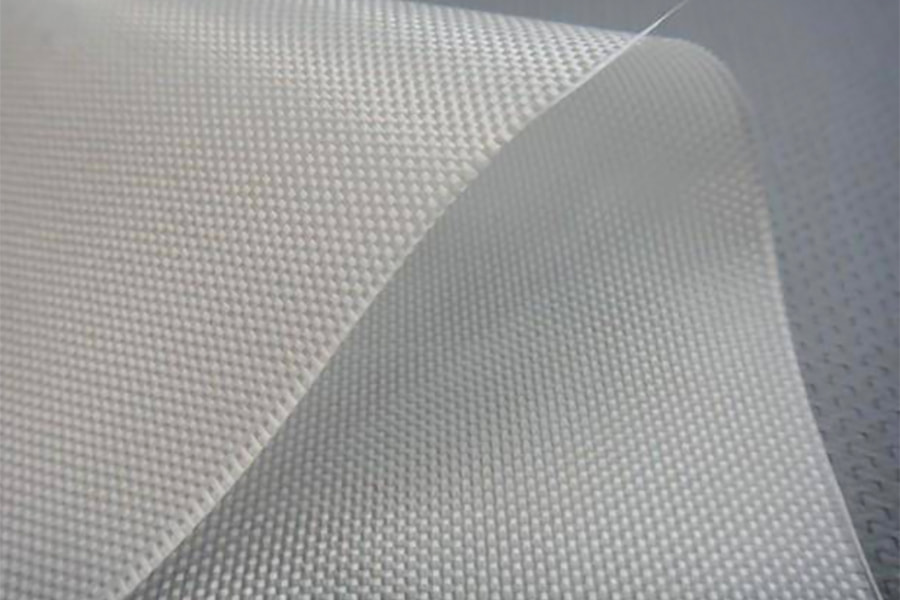
Fiberglass fabric is specified by grams per square meter, not by thickness. A 400 g/m² plain-weave cloth and a 400 g/m² twill cloth behave differently in a layup: plain weave delivers balanced strength and dimensional stability, while twill drapes more easily over curved molds. Yarn type — E-glass for general composites, or higher-cost S-glass and silica yarns for thermal and ballistic work — changes both the price ceiling and the performance envelope.
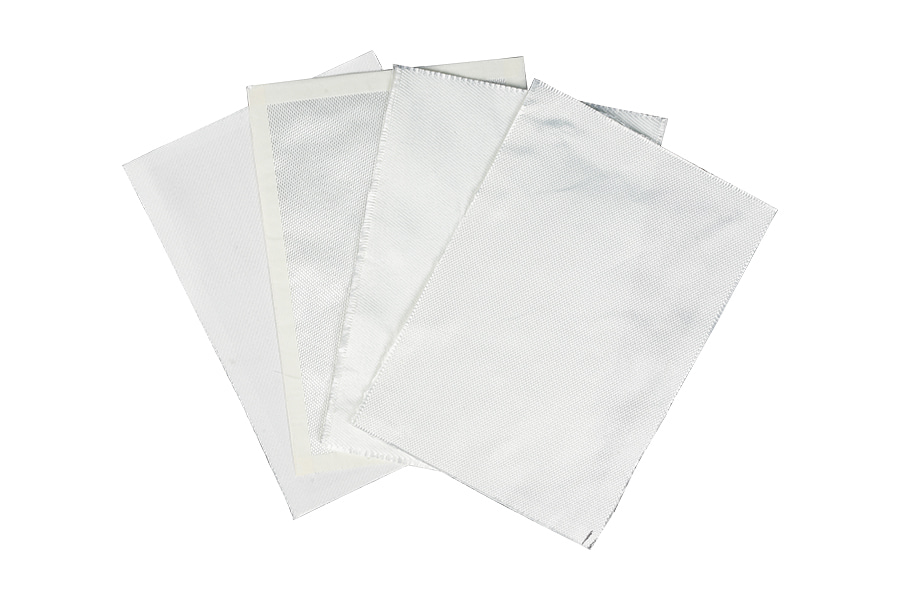 Fire-Resistant Fiberglass Fabric Manufacturer for Industrial Thermal ProtectionThis product page covers E-glass and specialty yarn fabrics with custom coating options, useful when specifying gram weight, weave type, and width tolerance for composite and fireproofing applications.View Product →
Roll width is the variable buyers underestimate most. A 10 mm width variation across a 2-meter-wide roll can waste several percent of material over a production run, so write the width tolerance into the contract instead of accepting whatever the line delivers.
| Parameter | Typical Range | Acceptable Tolerance | Failure Mode If Exceeded |
| Areal weight | 100-600 g/m² | ±5% | Altered resin-to-glass ratio and laminate thickness |
| Weave count | Per agreed pattern | ±2% per 25 mm | Drifting mechanical properties |
| Fabric width | 1.0-2.5 m | ±10 mm | Cutting yield loss and splice waste |
| Roll length | 50-300 m | ±1% | Layup scheduling disruption |
| Coating add-on | 50-300 g/m² | ±7% | Release, tack, and flexibility shifts |
A glossy preproduction sample reveals little about a factory; batch-to-batch repeatability comes from process control, in-house weaving and coating lines, and consistent yarn sourcing.
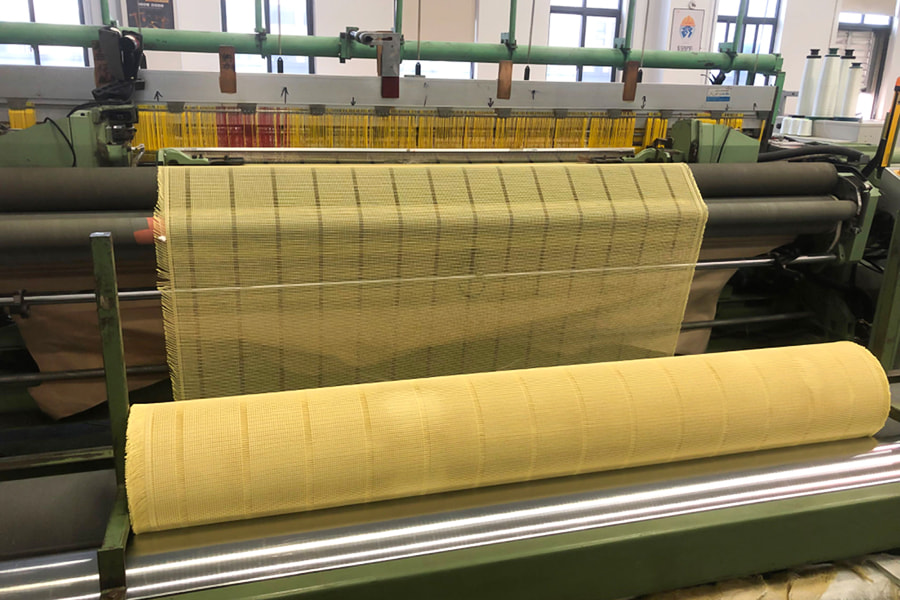
Composite buyers consistently rank consistency above price when choosing suppliers, and for good reason: when a supplier cannot hold areal weight across lots, every downstream part is at risk. Ask directly where the fabric is woven and coated, what quality checks run at each stage, and whether the factory prepares its own warp yarns or outsources part of the process. A manufacturer such as Jiaxing Jiete New Material Co., Ltd., with in-house warping, weaving, and coating equipment, can trace a defect to a single process step.
Owns warping, weaving, and coating lines; controls yarn sourcing and process settings; provides lot traceability from sized yarn to finished roll; better unit pricing above 1,000 m² per specification; accepts technical customization.
Offers flexible small orders and a wide catalog; has no direct process control; may mix lots from several factories; limited engineering support; price includes stacked margins from multiple sources.
The decision process for choosing the right fiberglass cloth rolls for industrial use follows the same rule: verify the factory, then trust the catalog.
The coating layer sets the working temperature, release behavior, chemical resistance, and roughly 20 to 45 percent of the final unit price, so choosing a coating is a procurement decision, not just a product attribute.
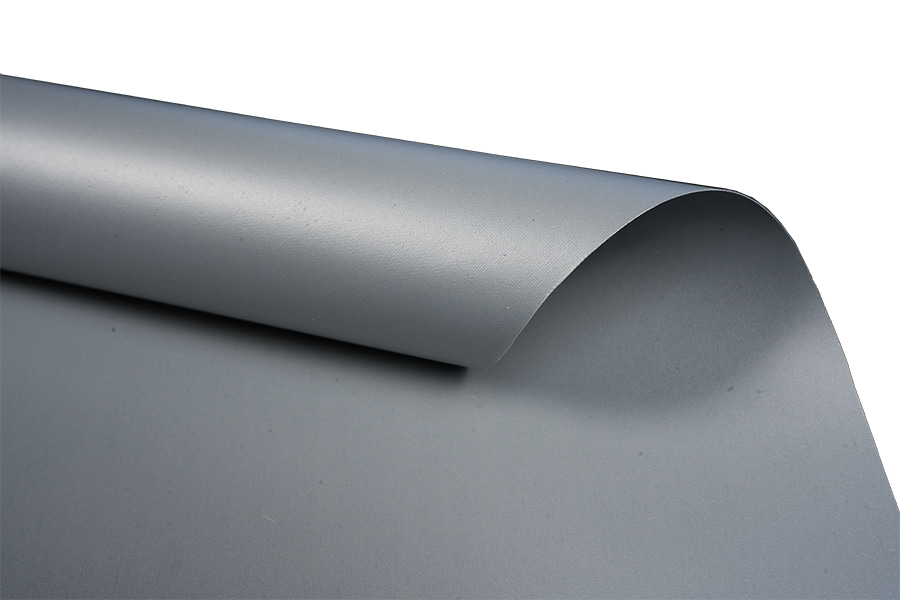
Uncoated fiberglass fabric is the baseline for composite reinforcement, electrical insulation, and filtration, but it cannot withstand abrasion or direct chemical exposure. PTFE coatings deliver non-stick release and broad chemical resistance from -70 to 260 °C, which is why they dominate conveyor belting, release sheets, and architectural membranes. Silicone coatings offer a similar temperature range with better flexibility and inherent flame retardancy at a slightly lower material cost.
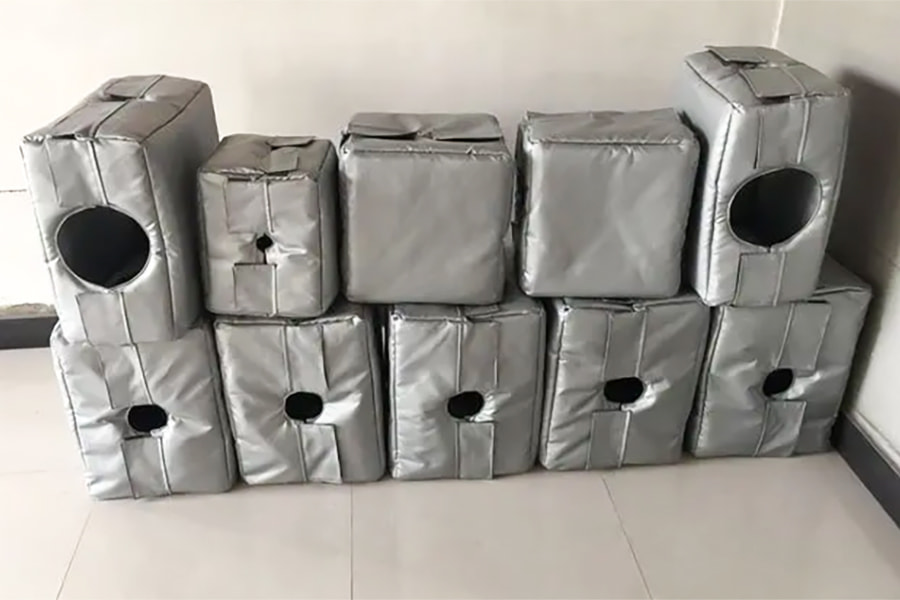
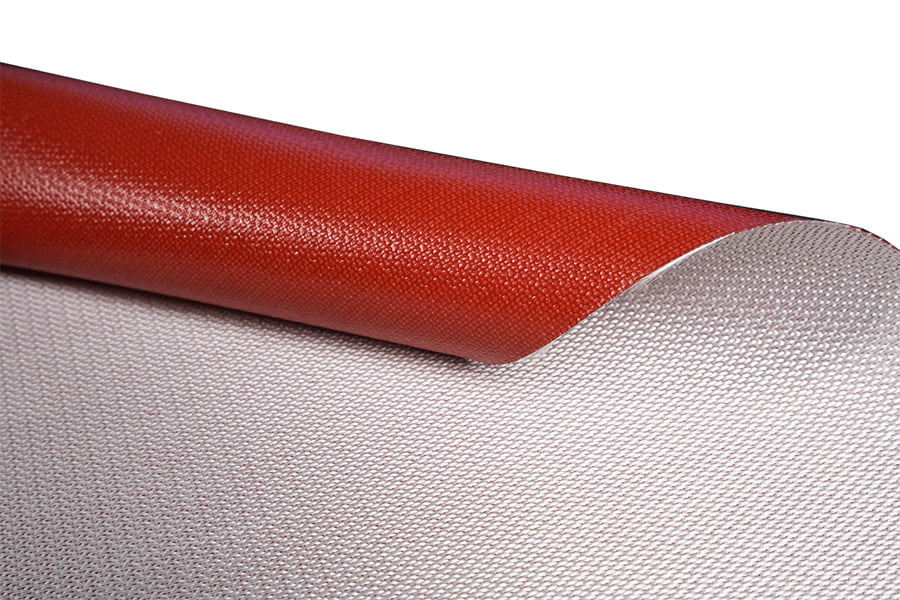 Silicone-Coated Fiberglass Insulation Fabric for High-Temperature EquipmentA flexible, flame-retardant silicone fabric rated from -70 to 260°C with high dielectric strength, making it a practical choice for electrical insulation and protective covers in demanding conditions.View Product →
PVC coatings are the budget option for tarpaulins, air ducts, and cable protection wraps, with a working range of roughly -20 to 70 °C. PU coatings balance waterproofing and tear resistance for outdoor industrial covers. For continuous service above 400 °C, buyers move beyond standard E-glass to high-silica or vermiculite-coated constructions.
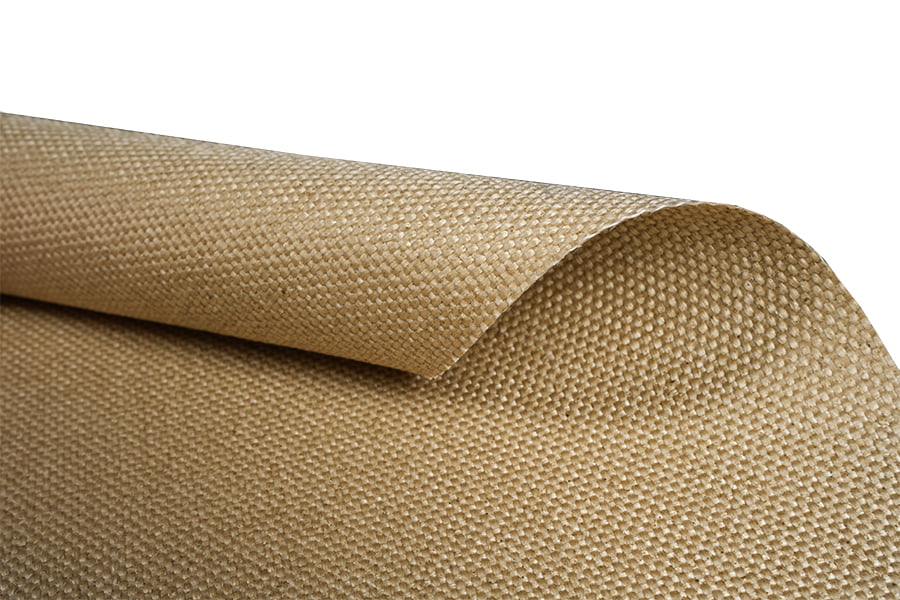 Vermiculite-Coated Fiberglass Fabric for Extreme Heat ResistanceThis fabric withstands long-term exposure at 800°C and short bursts above 1000°C, a step up from standard E-glass options when continuous high-temperature service and hole resistance are critical.View Product →
| Coating | Working Range | Typical Applications | Cost Position |
| None (E-glass) | Up to 550 °C | Composites, filtration, insulation | Baseline |
| PTFE | -70 to 260 °C | Release sheets, conveyor belts, membranes | Highest |
| Silicone | -70 to 260 °C | Fire blankets, insulation wraps, flexible connectors | High |
| PVC | -20 to 70 °C | Tarpaulins, air ducts, cable wraps | Low |
| PU | -30 to 90 °C | Outdoor covers, waterproof liners | Mid |
Bulk pricing is a compound of yarn cost, weave density, coating add-on, width, roll length, and finishing labor — a 15 percent lower quote usually means a different specification somewhere, not a better deal.
E-glass yarn is the single largest cost component, accounting for 30 to 40 percent of fabric price, so movements in fiberglass roving pricing flow directly into quotes. Weaving efficiency at a given width and density, coating add-on weight, slitting labor, and export packaging stack on top. The most effective procurement move is to request a line-item cost breakdown; suppliers who provide one are usually confident in their process.
A pre-shipment inspection on at least 5 percent of the lot, using written tolerances, catches most of the defects that would otherwise surface in your own production line.
Never rely on the supplier's quality report alone. Build a simple checklist and apply it every time, because the factory that ships ten perfect lots can still package an eleventh one in a hurry.
Standard production runs typically need 20 to 35 days after yarn confirmation, and coated or specialty fabrics add 10 to 15 days; a realistic schedule protects your production line better than a promise-heavy quote.
The main causes of delivery delays are yarn supply shortages, coating line bottlenecks, and container booking snags. Align your order dates with real capacity rather than with an optimistic lead time.
Bulk fiberglass fabric orders fail most often on four issues: minimum quantity, tolerance setting, quality-system verification, and export documentation.
Most manufacturers set MOQs between 1,000 and 5,000 square meters per specification, with a single roll of 50 to 100 meters serving as a sample. Custom coated or wide-width fabrics usually carry higher MOQs because coating line setup costs are fixed per production run.
Specify ±5 percent or better for areal weight on fabrics from 100 to 600 g/m². Apply the same tolerance to weave count per 25 mm and to coating add-on weight. Tolerances tighter than ±3 percent are possible but raise cost because they slow down inspection.
Request the factory's test reports from the last three production lots, confirm whether warping, weaving, and coating happen in-house, and ask for a video audit of the quality control station. ISO 9001 certification and documented lot traceability are the minimum evidence of a functioning quality system.
A bulk order should include a mill test certificate with areal weight, weave count, and coating add-on data per lot; a packing list with roll numbers, lengths, and gross weights; and a certificate of origin. For coated fabrics, request the coating formulation and temperature rating in writing.
Recommended Products
Copyright © 2025 Jiaxing Jiete New Material Co., Ltd. All Rights Reserved.
Wholesale Wide Width Fiberglass Cloth Roll Suppliers



 English
 中文简体