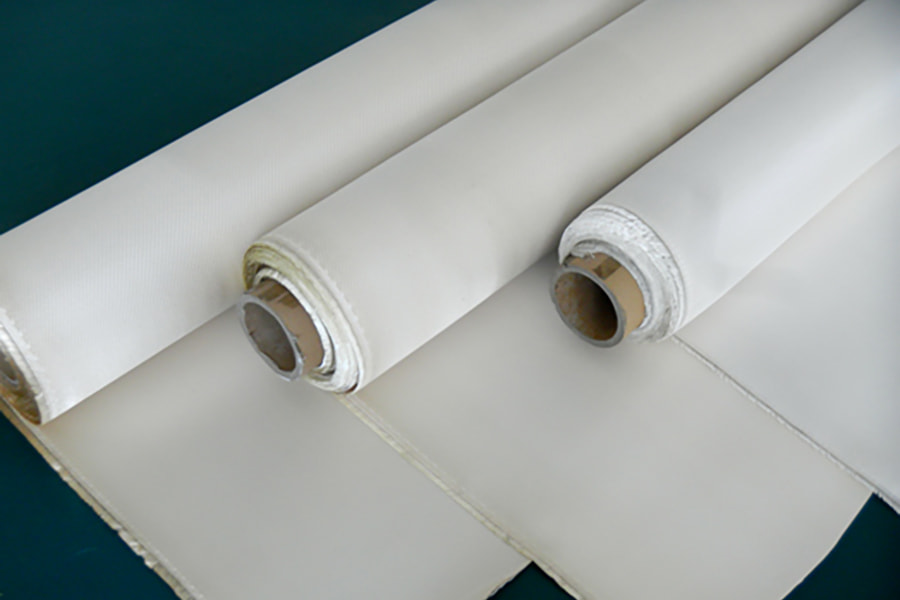
Lightweight Fiberglass Cloth Roll

Product Overview

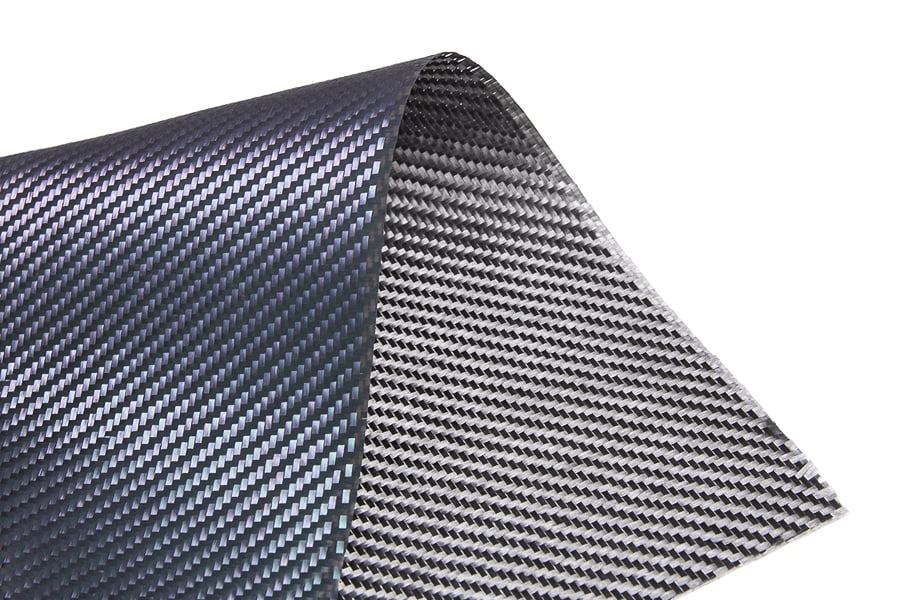
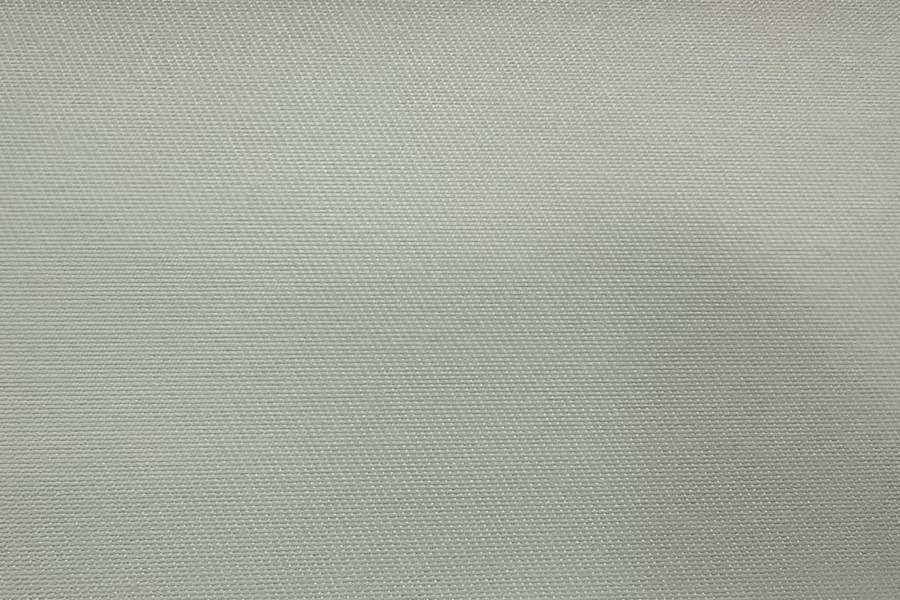
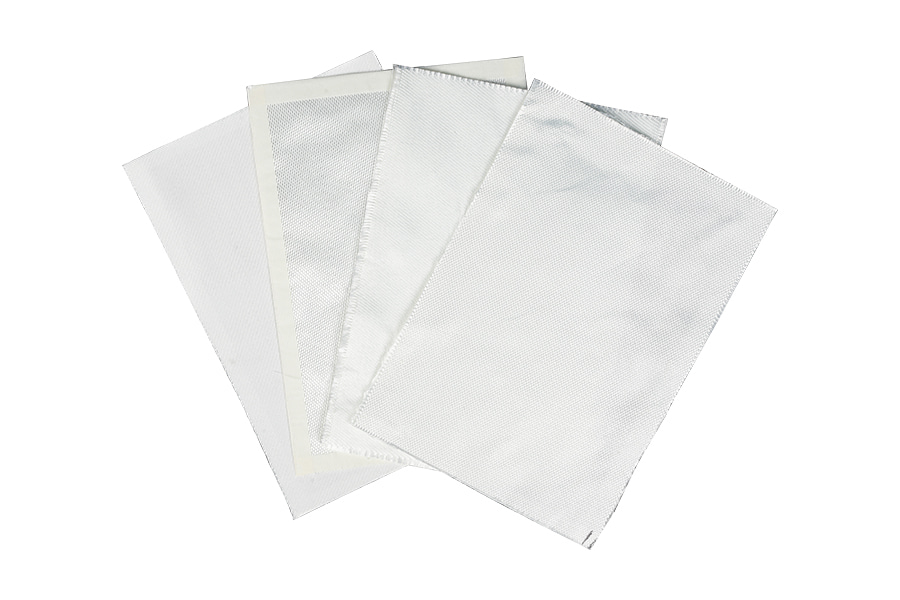
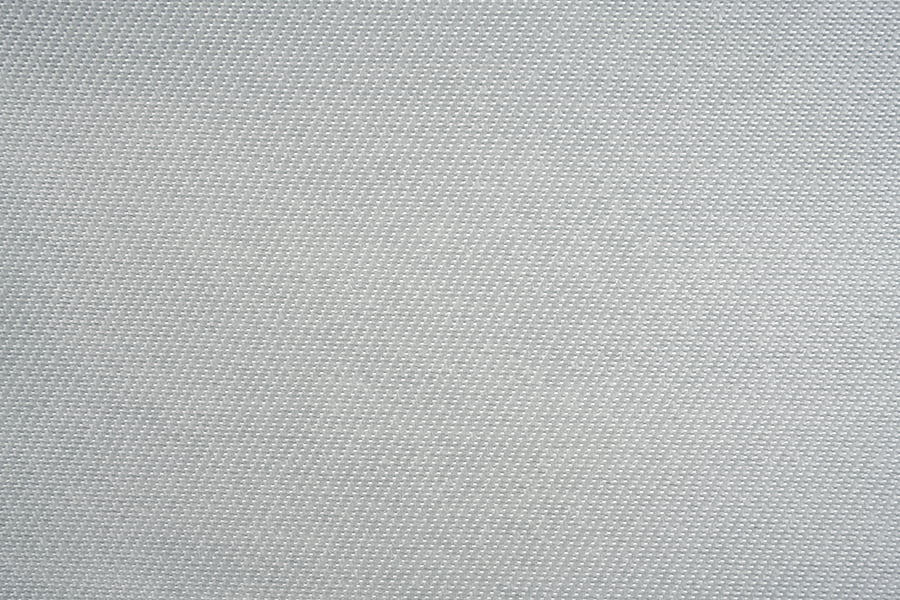
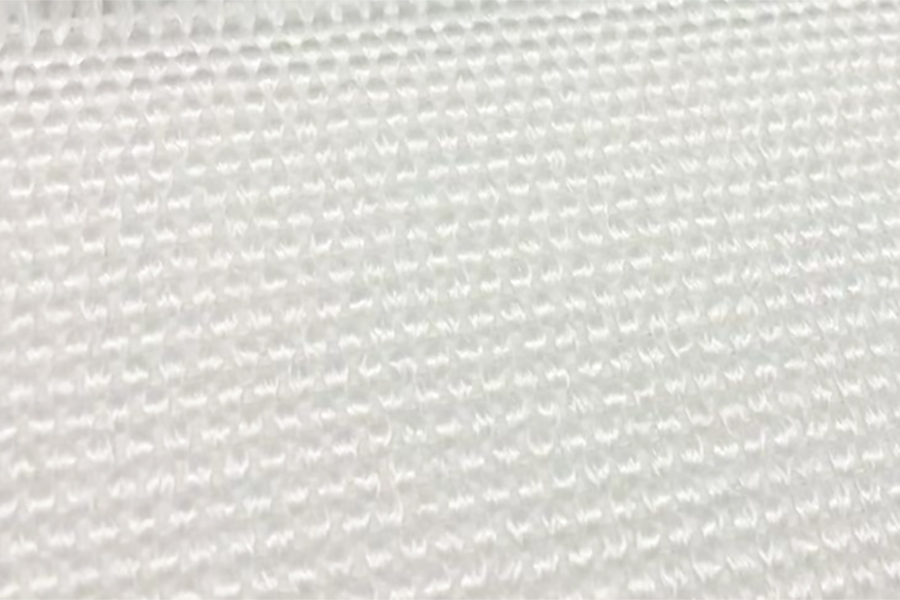
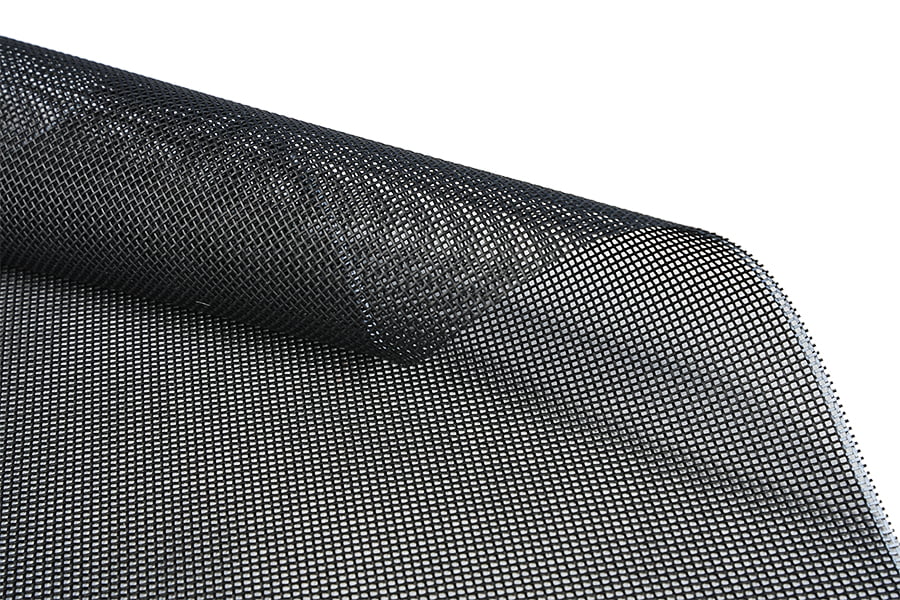
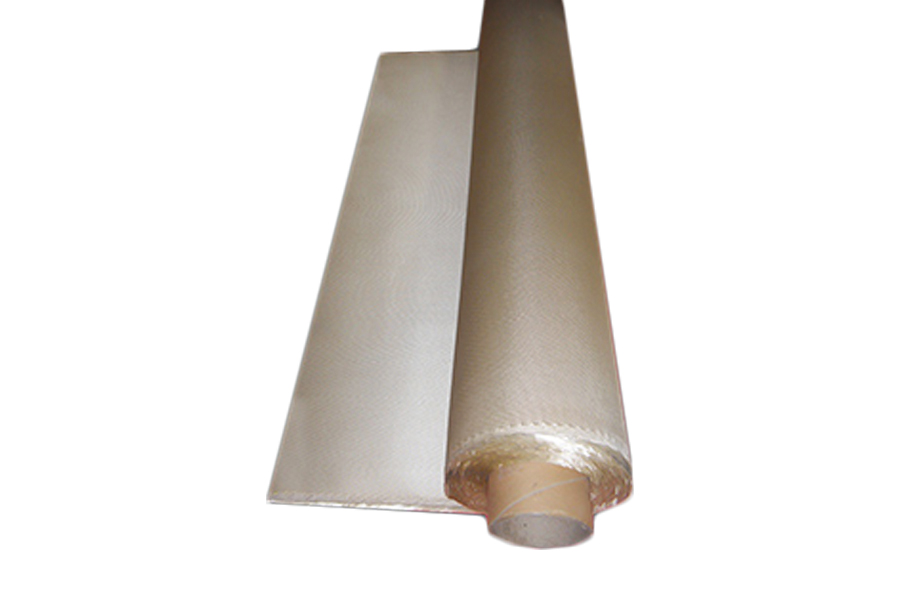
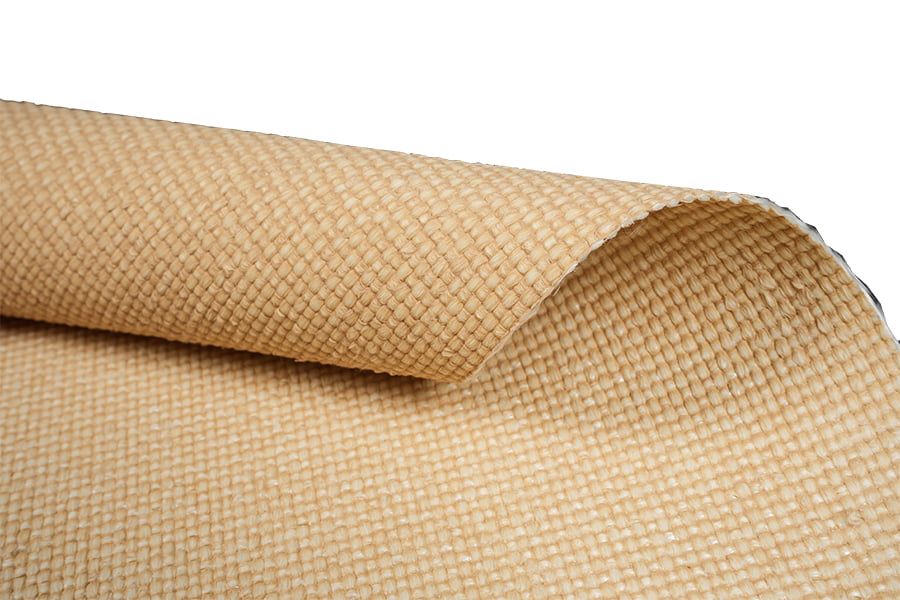
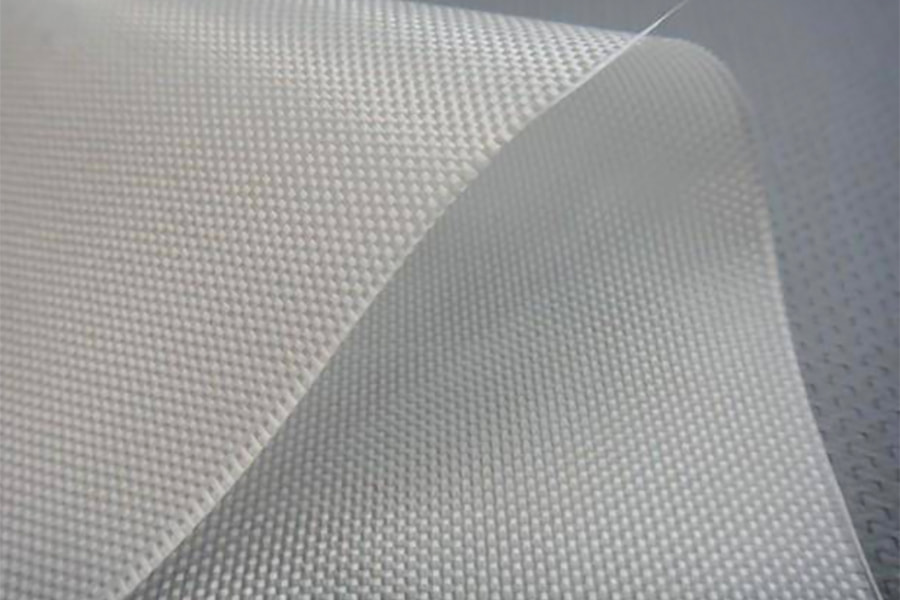
Lightweight fiberglass cloth roll is manufactured using fine-diameter E-glass filaments (5–7 µm) with a low-areal-weight construction ranging from 25 g/m² to 150 g/m². This cloth is engineered for applications where weight reduction is critical, offering a density of 2.54 g/cm³ with fabric thickness from 0.05 mm to 0.25 mm. The cloth delivers tensile strength of 150–250 MPa while maintaining flexibility and conformability. The open weave structure allows for rapid resin penetration, making it suitable for thin-section laminates, surfacing veils, and cosmetic layers. The roll format provides continuous lengths for efficient processing in automated lay-up systems.

25-150 g/m² Weight
0.05-0.25 mm Thickness
150-250 MPa Tensile

Core Advantages

Low density construction Fine filaments and open weave architecture reduce fabric weight by 60–80% compared to standard cloth, enabling lightweight composite structures.
Rapid resin wet-out High permeability allows complete impregnation within 30–60 seconds under vacuum infusion, reducing processing time and void formation.
Excellent drapeability Low bending stiffness permits conformability to complex 3D surfaces including tight radii (R ≤ 5 mm) without wrinkling or bridging.
Surface finish quality Fine weave pattern produces smooth, defect-free surfaces that reduce secondary finishing operations and improve paint adhesion.

Product Specifications

Fiber Type E-glass (5–7 µm diameter)
Weave Type Plain or Leno
Thickness Range 0.05 – 0.25 mm (±0.01 mm)
Areal Weight 25 – 150 g/m²
Tensile Strength (Warp) ≥ 200 MPa
Tensile Strength (Weft) ≥ 180 MPa
Density 2.54 g/cm³
Permeability (Darcy) 1.5 – 3.0 × 10⁻⁹ m²
Continuous Use Temperature –60°C to +500°C
Roll Width 600 mm, 900 mm, 1200 mm
Roll Length 100 m, 200 m, 300 m

Application Fields

Aerospace interiors Panel skins, galley surfacing, and cabin trim layers.
Marine composites Hull gelcoat backers, deck surfacing, and repair overlays.
Sporting goods Skis, snowboards, and surfboard cosmetic layers.
Electronic enclosures Lightweight housings, radome skins, and antenna covers.
Medical devices X-ray tabletops, MRI coil supports, and lightweight structural frames.
Automotive lightweight Interior trim panels, headliners, and underbody shielding.

Handling & Installation Notes

Handling precautions Lightweight fabrics are susceptible to distortion. Handle with minimal tension and use spreader rolls during unwinding to maintain weave alignment and prevent edge curling.
Cutting recommendations Use pneumatic scissors or rotary cutters with fine-tooth blades (TPI ≥ 60) to achieve clean cuts without pulling fibers. Avoid manual tearing methods.
Resin compatibility This cloth is compatible with low-viscosity resins (100–300 cP) for optimal wet-out. For epoxy systems, use resins with pot life ≥ 45 minutes at 25°C.
Lay-up technique When building multi-ply laminates, orient plies at 0°/90° or ±45° to optimize mechanical properties. Use release films between plies for debulking.
Storage conditions Store in original packaging at 18–25°C, 40–60% RH. Avoid exposure to dust and airborne contaminants. Shelf life: 48 months unopened.

Frequently Asked Questions

Lightweight cloth offers 40–60% lower areal weight while maintaining 70–80% of the tensile strength per unit weight compared to standard 200 g/m² cloth. The strength-to-weight ratio is approximately 20% higher, making it efficient for weight-critical applications. However, absolute strength per layer is lower, requiring more plies to achieve equivalent laminate thickness.

Yes. The fine weave pattern and low profile make it suitable as a surfacing veil. When used as the outermost ply, it provides a smooth surface with reduced print-through from underlying core materials. For paint-ready surfaces, apply two plies with a 0°/90° orientation. The cloth accepts gelcoats and paints without requiring additional sanding.

For vacuum bagging, use a bleeder ply system with a perforated release film. The lightweight cloth requires lower resin flow rates compared to heavier fabrics. Apply full vacuum (0.095 MPa) and maintain for at least 30 minutes after resin flow stops. Use a flow medium on the top surface to ensure even distribution. Typical resin consumption is 80–100% of the cloth weight.

The cloth maintains mechanical integrity up to 500°C continuous. For applications above 400°C, we recommend using a high-temperature sizing compatible with the resin system. The lightweight construction provides lower thermal mass, resulting in faster thermal response. Thermal conductivity is 0.038–0.042 W/m·K.

For non-structural applications, 1–2 plies provide adequate reinforcement for cosmetic surfaces. For structural applications (e.g., panel skins), 4–8 plies are typical, producing laminate thickness of 0.4–0.8 mm. Design engineers should calculate ply count based on load requirements using the cloth's tensile strength and modulus values. A typical 4-ply laminate (2/2 twill orientation) achieves tensile strength of 180 MPa.

Jiaxing Jiete
Est. 2010 · Haining, Zhejiang · Fiberglass Fabric
Fiberglass Fabric Manufacturer
Clarity, strength,
and coating — woven in.

Since 2010 we've woven and coated fiberglass fabric to spec for customers who need both the physics and the finish to hold up.

opaquecoatedbase weavetranslucent
Light transmittance across our fabric & membrane range
About the mill
Zhijiang Industrial Park

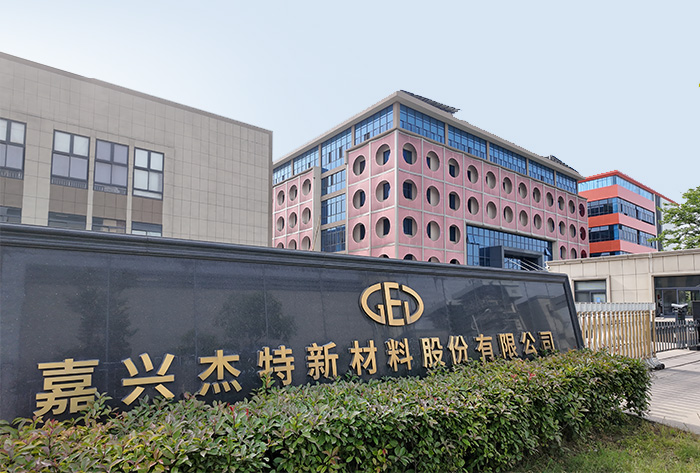
Jiaxing Jiete New Material Co., Ltd. is a professional manufacturer of fiberglass fabric, established in 2010 and based in Zhijiang Industrial Park, Haining City, Zhejiang Province — well connected for shipping worldwide.

We are China lightweight fiberglass cloth roll Manufacturers and Custom lightweight fiberglass cloth roll Suppliers. We weave fiberglass fabric and develop custom products to specification, running Karl Mayer warping-slashing lines, air-jet looms, Dornier rapier looms, and multiple coating lines under one roof.

Jiete fiberglass weaving and coating facility
Factory floor
150,000 m²
factory floor area
200+
people on staff
200
pieces of production equipment
Product portfolio
9 material lines
Standard and high-strength weaves, heat-resistant base fabric.
Type-E · base weave
Exceptional tensile strength and impact resistance.
Aramid · high tenacity
Fine, even mesh for agricultural and architectural screening.
Mesh · screening grade
Engineered for extreme or non-standard operating conditions.
Custom · engineered
High translucency, self-cleaning surface, long-span tensile use.
PTFE · tensile grade
Non-stick, chemical resistant across a wide thermal range.
-70°C to +260°C
Flexible, waterproof, with strong high-temperature insulation.
Silicone · flexible
Durable, flame-retardant, and weatherproof for outdoor use.
PVC · flame-retardant
PU, acrylic, and other custom coatings available on request.
PU / acrylic · custom
Built to your drawing, not our catalogue

Send us a requirement outside the standard range and our R&D team will design the weave, finish, and coating around it — from first sample through to production volume.

Since 2010, on a foundation of careful management and steady reinvestment, Jiete has built a position in the global fiberglass fabric trade and long-standing partnerships across it. We'd welcome the chance to host you at the mill.

Recommended LINKS