

 English
 中文简体
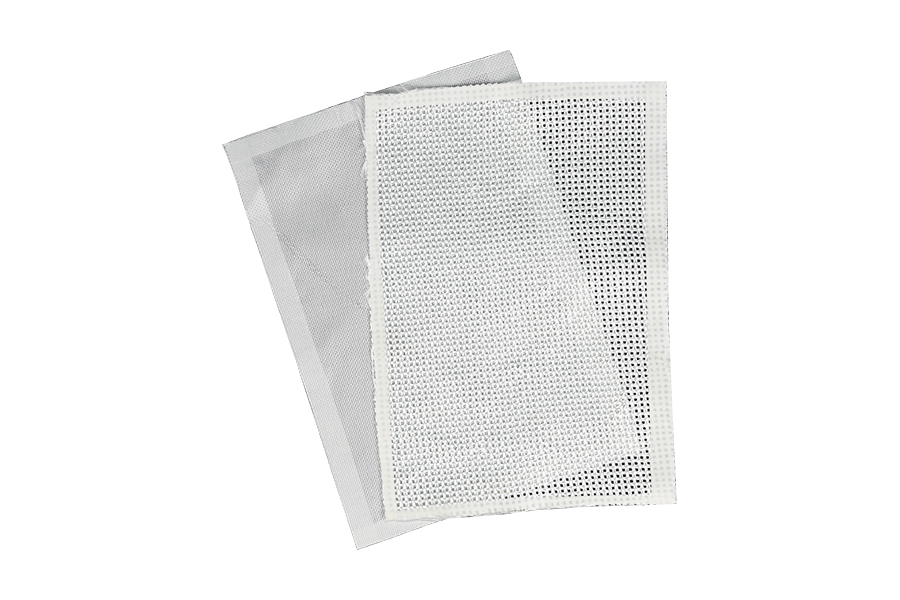
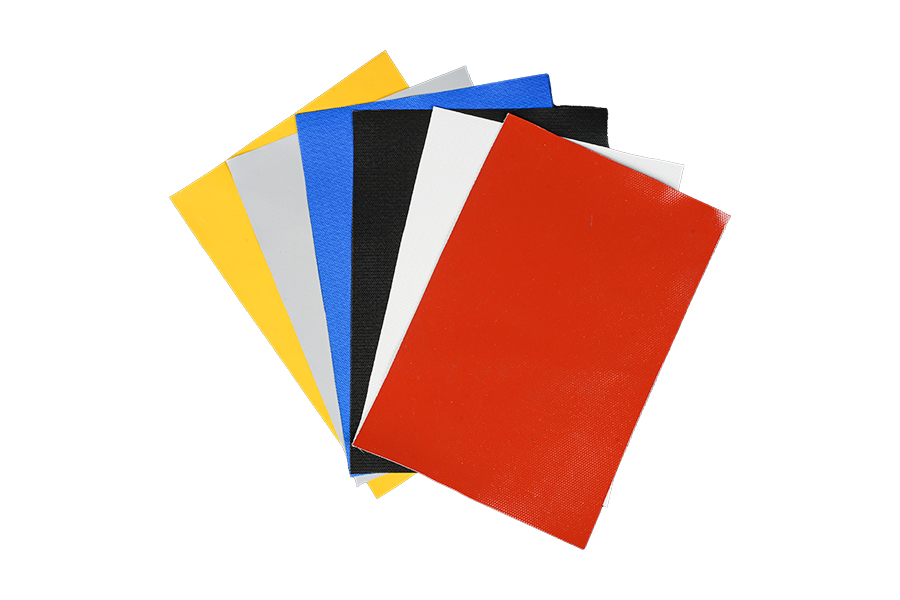
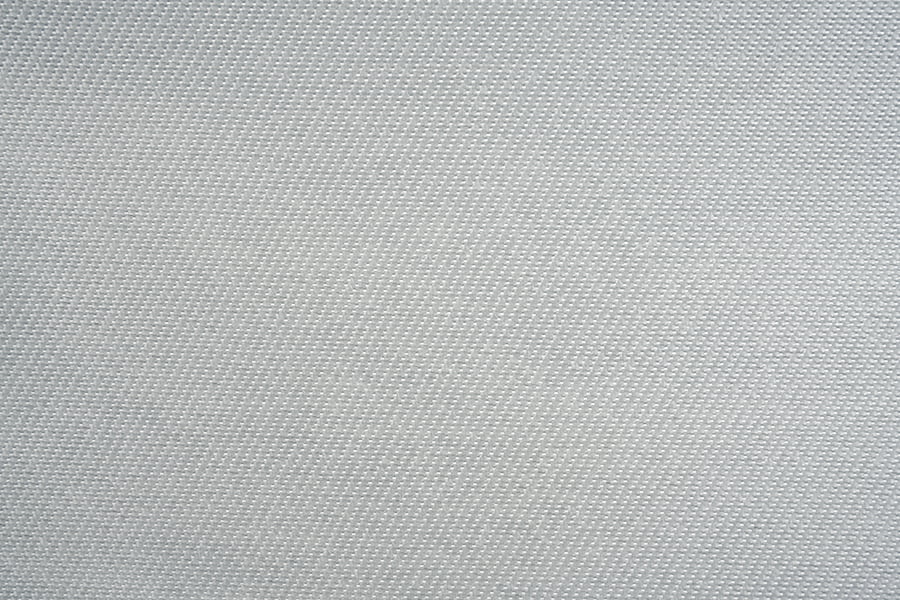
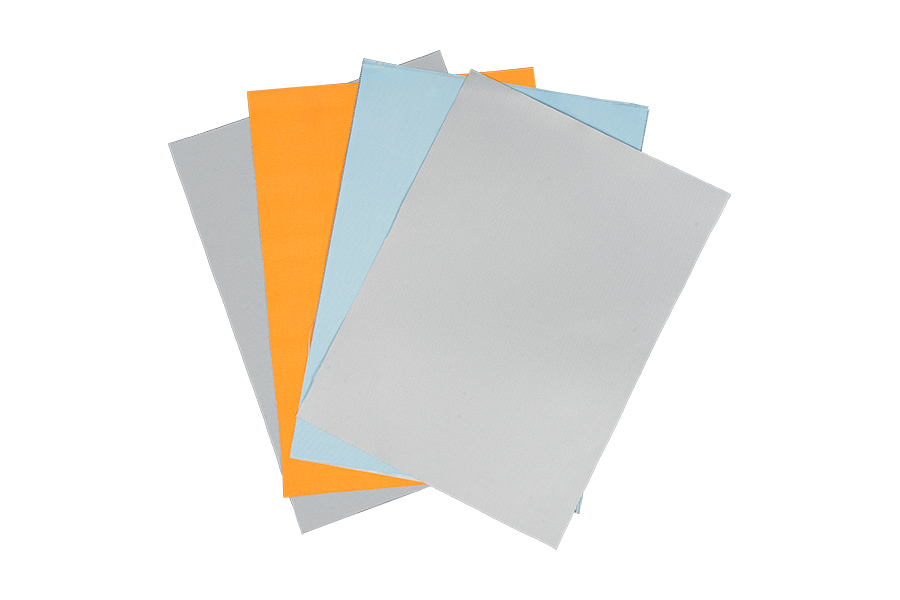
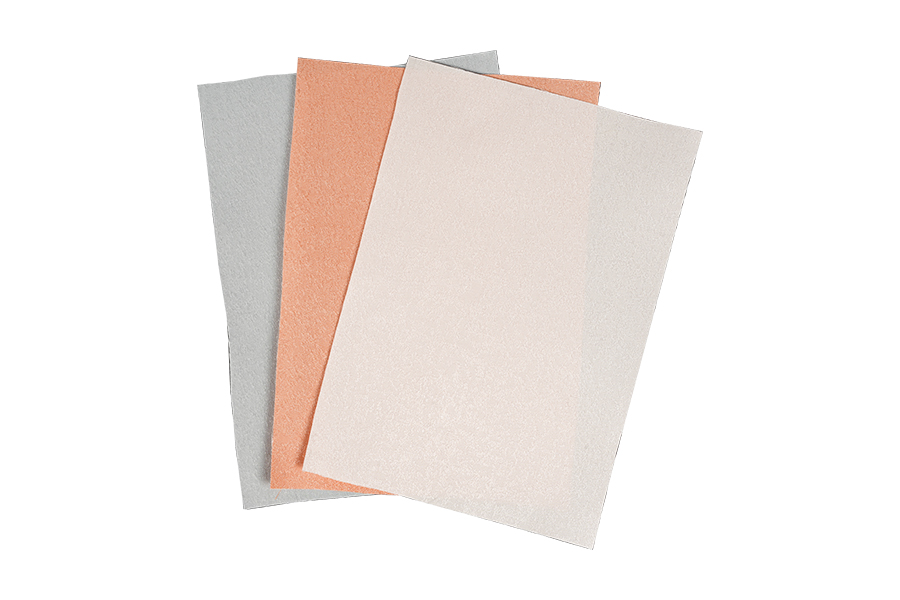
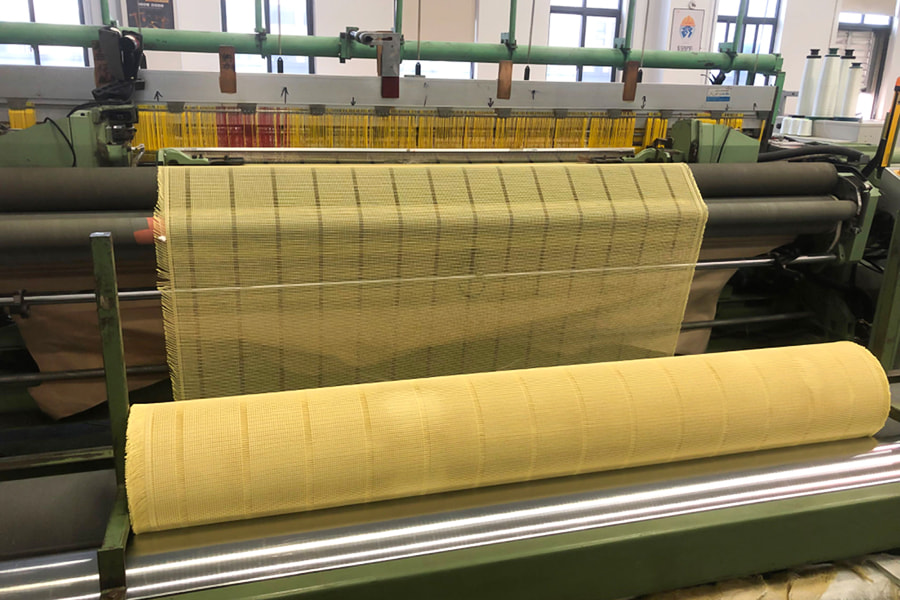
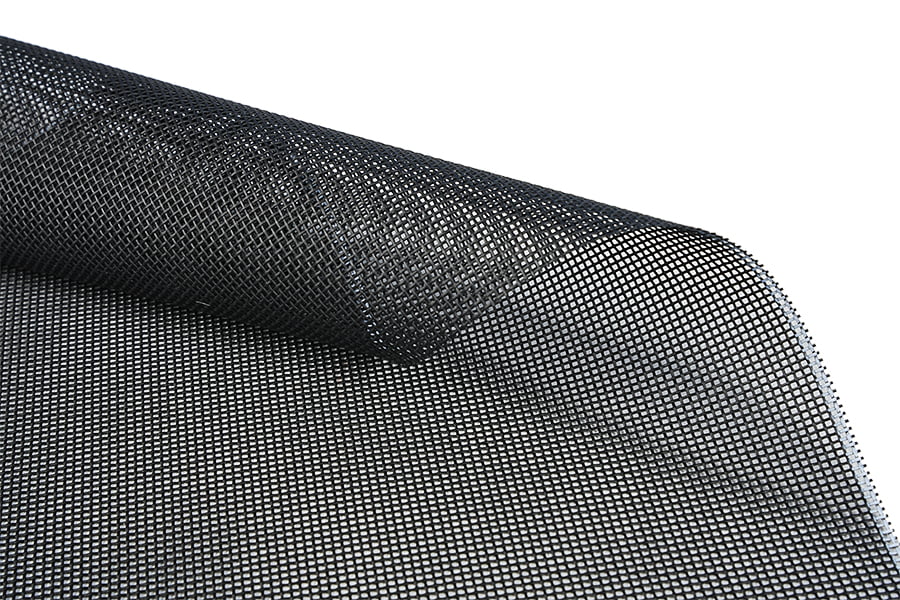
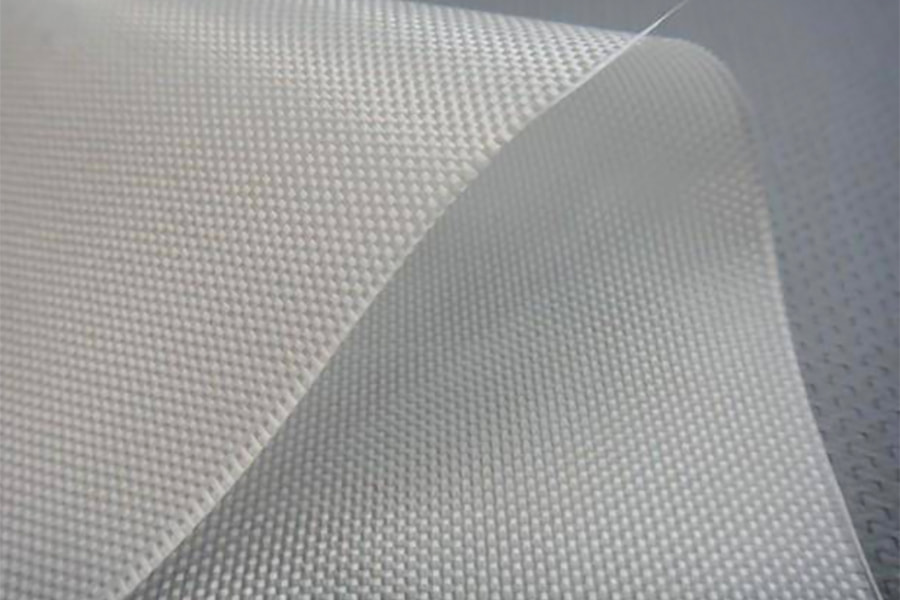

Fiberglass Cloth for Industrial Conveyor Belt
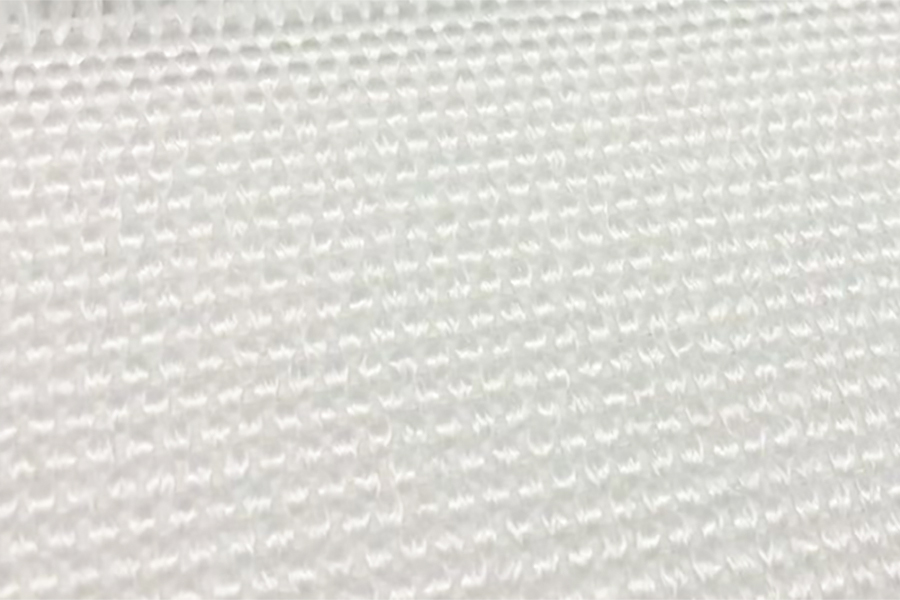
Fiberglass cloth for industrial conveyor belt applications serves as a textile reinforcement material in selected belt constructions where dimensional stability, tensile reinforcement, and resistance to process-related heat are important. Its woven structure provides reinforcement in both warp and weft directions, allowing manufacturers to select fabric constructions according to belt design, loading conditions, and production requirements.
Depending on the conveyor belt structure, fiberglass fabric may be incorporated into coated, laminated, or composite belt systems. The final performance depends on the glass fiber type, yarn arrangement, fabric weight, weave density, coating or bonding material, and the conditions under which the belt operates. Fabric selection should therefore consider the complete belt construction rather than tensile strength alone.
How Fiberglass Cloth Functions in Conveyor Belt Construction
Industrial conveyor belts are designed around their intended load, operating speed, pulley configuration, working temperature, and transported materials. In selected belt structures, fiberglass cloth can act as a reinforcement layer that helps maintain the geometry of the composite material during operation.
Unlike a finished conveyor belt, fiberglass cloth is an intermediate textile material. It must be combined with a suitable coating, adhesive, elastomer, resin, or other compatible matrix to form part of a functional belt structure. The bonding system and interface between the fabric and surrounding material are important to the performance of the finished product.
Reinforcement Layer in a Composite Conveyor Belt
The following diagram illustrates a simplified concept. Actual belt structures vary according to the application and manufacturer design.
Key Fabric Characteristics for Conveyor Belt Applications
Tensile Reinforcement
Warp and weft yarn strength contribute to the reinforcement capacity of the fabric. The required construction depends on the direction and distribution of loads in the finished belt.
Dimensional Stability
Fabric construction affects elongation, distortion, and dimensional changes during processing and use. These factors should be evaluated alongside the properties of the complete belt system.
Thermal Compatibility
Glass fibers can retain structural properties at temperatures where some organic fibers are unsuitable. However, the operating temperature limit of a conveyor belt is generally governed by its coating, adhesive, and other constituent materials.
Coating and Adhesion
Surface sizing, fabric cleanliness, and yarn structure influence how the cloth interacts with coating or bonding compounds. Compatibility should be verified through the intended production process.
Flexibility and Handling
Fabric weight, thickness, and weave construction affect handling and forming behavior. Belt manufacturers should assess whether the selected cloth can accommodate the required bending and processing conditions.
Fiberglass Cloth Specification Parameters
Specifications should be established according to the belt design, reinforcement position, and downstream manufacturing process.
| Parameter | Selection Consideration | Application Relevance |
|---|---|---|
| Glass Fiber Type | E-glass or another specified glass composition | Influences mechanical, thermal, and chemical characteristics |
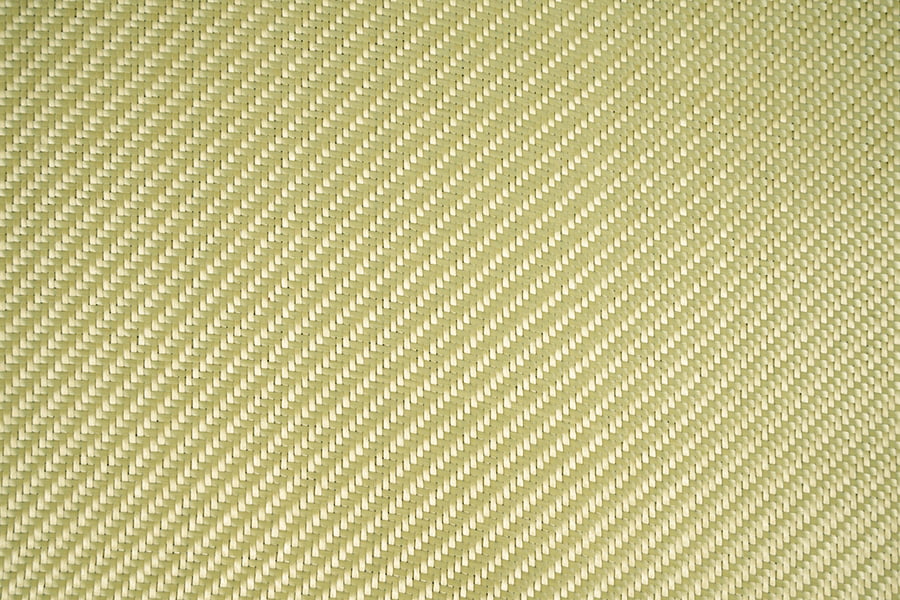
| Weave Pattern | Plain, twill, or other available constructions | Affects fabric stability, flexibility, and surface structure |
| Fabric Weight | Selected according to reinforcement requirements | Influences material consumption and composite construction |
| Fabric Thickness | Specified according to the required layer dimensions | Relevant to belt thickness and processing clearance |
| Yarn Density | Warp and weft density defined separately | Influences tensile behavior and fabric geometry |
| Surface Treatment | Sizing or finish compatible with the matrix material | Supports wetting, bonding, and processing consistency |
| Roll Width | Matched to production equipment and belt dimensions | Reduces unnecessary trimming and material waste |
Exact values should be confirmed through the supplier's technical datasheet and application trials. No single fiberglass cloth specification is suitable for every conveyor belt construction.
Compatibility with Belt Manufacturing Materials
Silicone Rubber Systems
Fiberglass cloth may be used as reinforcement in selected silicone-coated or silicone-laminated constructions. Fabric treatment and bonding conditions should be matched to the silicone formulation and curing process.
PTFE Coating Systems
Glass fabric is used in certain PTFE-coated conveyor and process belts. The fabric construction, surface treatment, coating penetration, and finished belt configuration influence the resulting performance.
Resin-Based Composites
In selected composite belt structures, fiberglass cloth can be impregnated or bonded with a compatible resin system. Resin viscosity, wet-out, curing behavior, and finished flexibility require evaluation.
Other Elastomeric Compounds
Use with rubber or other elastomeric materials depends on the bonding formulation and belt design. Adhesion and flex-fatigue testing are important before production adoption.
Industrial Conveyor and Processing Belt Uses
Fiberglass cloth is used in selected conveyor and process belt constructions where woven reinforcement is required. The suitability of the fabric depends on the complete belt specification, including the working environment and mechanical demands.
Fabric Inspection and Production Consistency
Consistent reinforcement fabric helps belt manufacturers maintain stable processing conditions. Inspection criteria should reflect the fabric's intended position and function in the finished belt.
Visual Inspection
Check for broken yarns, weaving defects, contamination, and visible surface irregularities.
Dimensional Checks
Verify roll width, fabric thickness, weight, and warp and weft density against agreed specifications.
Mechanical Testing
Evaluate tensile strength and other agreed fabric properties using consistent test methods.
Process Validation
Assess wetting, coating, adhesion, and flexibility through trials using the intended belt materials.
Information to Confirm Before Ordering Fiberglass Cloth
For industrial belt manufacturers and material sourcing teams, providing the application details at the quotation stage helps reduce specification mismatches and unnecessary production trials.
In addition to fabric dimensions, buyers should clarify the coating or bonding compound, operating environment, and required mechanical behavior. These details help determine whether an existing fabric construction can be used or whether a modified specification needs to be developed.
- Intended belt type and reinforcement position
- Glass fiber type and required fabric construction
- Target fabric weight, thickness, and roll width
- Coating, resin, rubber, or adhesive system
- Operating temperature and working environment
- Required tensile properties and dimensional tolerances
- Trial quantity, regular order volume, and packaging format
Frequently Asked Questions
What is fiberglass cloth used for in industrial conveyor belts?
It can serve as a woven reinforcement layer in selected coated, laminated, or composite conveyor belt constructions. Its role may include supporting tensile load distribution and maintaining dimensional stability, depending on the belt design.
Is fiberglass cloth suitable for high-temperature conveyor belts?
Glass fiber itself has useful thermal resistance, but the maximum operating temperature of a finished belt depends on all its components. Coatings, adhesives, elastomers, and bonding layers may have lower temperature limits than the glass reinforcement.
Can fiberglass cloth be used with PTFE coatings?
Yes. PTFE-coated glass fabric is used in certain conveyor and process belt applications. The fabric construction and surface treatment must be suitable for the coating and production process.
Which weave pattern is suitable for conveyor belt reinforcement?
Plain weave, twill weave, and other constructions may be considered. The appropriate pattern depends on the required dimensional stability, flexibility, coating behavior, and mechanical properties of the finished belt.
Does fiberglass cloth need a special surface treatment?
Surface sizing or treatment should be selected according to the coating, resin, or bonding material. A treatment suitable for one matrix system may not provide the same results with another, so compatibility testing is recommended.
What information is needed to specify fiberglass cloth for conveyor belt production?
Key information includes the belt construction, intended application, glass fiber type, weave pattern, fabric weight, thickness, width, required tensile properties, and the coating or bonding system. Operating conditions and order requirements should also be provided.